


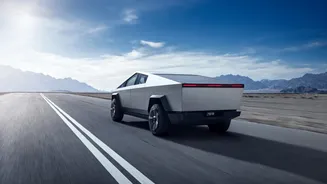
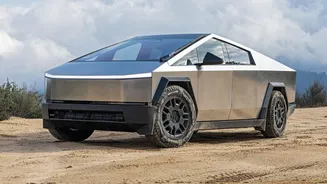
In a surprising move, Tesla announced it will wind down production of its much-hyped Cybertruck starting mid-2027. The decision signals a major strategic pivot, leaving many to ask: why is Tesla pumping the brakes on its most radical vehicle?
An End Date for an Era
Elon Musk
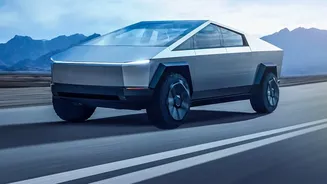
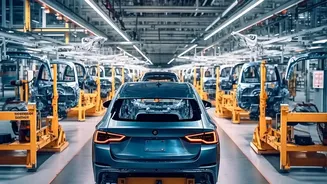
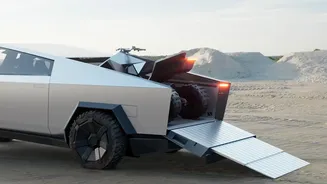
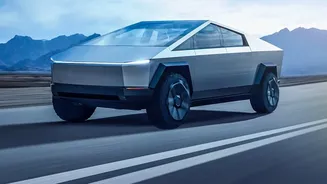
confirmed in a post on X that Tesla will begin 'winding down' production of the Cybertruck at its Gigafactory in Texas around the middle of 2027. This facility is the only one in the world equipped to build the vehicle, with its unique stainless-steel exoskeleton and specialized manufacturing process. The announcement effectively sets a timeline for the end of the Cybertruck's production run, just a few years after it began. While Musk noted the existing fleet of Cybertrucks will be on the roads for a long time, the lead engineer for the project, Wes Morrill, appeared to confirm the finality of the decision, stating the Cybertruck 'was an incredible technology development platform and lives on through Cybercab'. This has been interpreted by many as the end of the line for the futuristic pickup.
The Robotaxi Pivot
The primary reason cited for this strategic retreat is not a failure of engineering, but a reallocation of resources. Musk stated the move is necessary to 'make room for increased Cybercab production'. The Cybercab is Tesla's purpose-built, two-seater autonomous vehicle designed for a robotaxi network. This signals a significant strategic shift for the company, prioritizing its ambitions in artificial intelligence and autonomous ride-hailing over a niche, high-concept consumer vehicle. Musk has been vocal about his belief that Tesla's future lies not just in selling cars, but in operating a massive fleet of self-driving vehicles that can generate recurring revenue. Freeing up factory space and, crucially, the 'smart, dedicated people' who worked on the Cybertruck, is apparently a necessary step to scale the Cybercab and achieve that vision.
A Reality Check on Sales
While the official reason is a pivot to robotaxis, the Cybertruck's disappointing sales figures cannot be ignored. After its 2019 unveiling, Musk predicted Tesla could eventually sell between 250,000 and 500,000 Cybertrucks annually. The reality has been starkly different. Sales peaked in 2024 with an estimated 38,965 units sold in the US, before falling by nearly 48% to just 20,237 units in 2025. The trend has continued downward, with figures for the first nine months of 2026 showing another significant decline. The vehicle's radical design, which alienated traditional truck buyers, combined with a series of recalls and quality control issues, hampered its mass-market appeal. It became clear that while the Cybertruck had a passionate following, it was not the mainstream hit Tesla had hoped for.
What About the Backlog?
Interestingly, Musk has recently framed the issue not as a lack of demand, but as an inability to meet it before the planned shutdown. In a recent post, he stated that the order backlog is 'far more than we can make before dismantling the line'. To address this, he announced Tesla would add an extra shift to try to fulfill as many existing orders as possible. Some customers with reservations will inevitably have their deposits returned. This suggests that while broad market demand stalled, a core group of dedicated buyers remains. However, the company has decided that the opportunity cost of continuing Cybertruck production—namely, delaying the Cybercab—is too high. The truck, while a technological marvel, ultimately became a strategic dead end in the face of Tesla's larger autonomous ambitions.