





Beyond the 'Superfood' Solution
The world of nutrition is full of well-intentioned but often oversimplified advice. Chief among them is the idea that a single 'superfood' can act as a magic bullet for health. Pulses (like beans, lentils, and chickpeas) and soy products are often cast
in this role. And for good reason—they are packed with protein, fibre, and essential nutrients. However, the approach of just 'adding' one healthy item to an otherwise unchanged diet is a classic example of reductionist thinking. This viewpoint breaks nutrition down to individual foods or nutrients, overlooking the complex ways our bodies process meals as a whole. While adding a handful of lentils to your soup is a positive step, its impact is limited if the rest of your diet remains high in processed foods, unhealthy fats, and sugar.
So, What Is a Dietary Pattern?
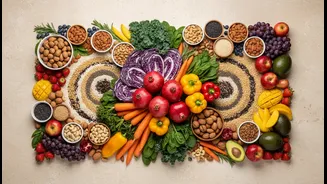
A dietary pattern is the sum total of what you eat and drink over time. It's the big picture, the forest rather than the individual trees. Think of it like building a house: you wouldn't say a house is strong just because it has a single, high-quality brick. Its strength comes from how all the materials—the foundation, the frame, the wiring—work together. Similarly, your health is influenced by the entire 'pattern' of your food choices. Recognised healthy dietary patterns, like the Mediterranean or DASH diets, don't focus on one miracle ingredient. Instead, they emphasise a high intake of fruits, vegetables, whole grains, nuts, and legumes, with lean proteins and healthy fats. The power lies in the combination and regularity of these choices.
The Power of Food Synergy
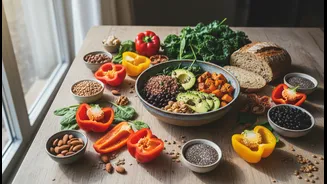
One of the key reasons patterns are so important is a concept called 'food synergy'. This means that nutrients within and between foods can work together to provide a greater health benefit than they would alone. For example, the vitamin C in a red pepper can dramatically increase your body's absorption of the plant-based iron in beans when they're eaten together. Similarly, the healthy fats in olive oil help your body absorb the fat-soluble vitamins (like A, K, and E) found in leafy greens. This is something you simply can't replicate by focusing on single nutrients or adding one food in isolation. The whole is truly greater than the sum of its parts, and a varied dietary pattern naturally creates countless opportunities for this synergy to occur at every meal.
How to Build a Better Pattern
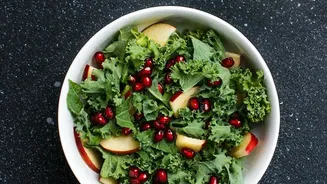
Shifting your focus from single foods to your overall pattern doesn't have to be overwhelming. You don't need a radical overhaul overnight. The key is to make small, sustainable shifts. Start by thinking in terms of 'swaps' and 'additions'. Can you swap a sugary breakfast cereal for oatmeal with berries? Can you add a simple side salad to your lunch? Aiming for variety is a powerful tool; try to eat a wide array of colourful fruits and vegetables throughout the week. Each colour provides different phytonutrients and antioxidants. Instead of fixating on whether you've eaten enough soy this week, ask yourself if you've eaten enough plants in general. Prioritising whole, minimally processed foods over ultra-processed options is perhaps the most effective guiding principle for building a healthier pattern.
Small Changes, Big Picture Impact
It's easy to get discouraged by feeling like healthy eating is an all-or-nothing game. But building a healthy dietary pattern is a journey of a thousand small steps. That extra serving of vegetables you added to dinner, the decision to drink water instead of a sugary soda, choosing whole-wheat bread for your sandwich—these choices compound. Each one is a vote for a healthier pattern. Over time, these small, consistent decisions build the foundation for long-term health, reducing the risk of chronic diseases and improving overall well-being. The goal isn't perfection; it's progress. By focusing on your overall pattern, you move away from dietary anxiety and toward a more flexible, enjoyable, and ultimately more effective approach to nutrition.