






Why Ziro Valley Is Worth the Extra Step
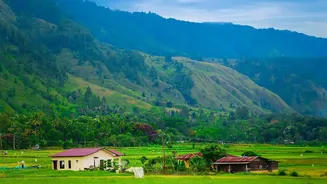
Nestled in the lower Subansiri district, Ziro Valley is more than just a beautiful destination; it's a cultural landscape nominated for UNESCO World Heritage status. The valley is home to the Apatani people, a tribe renowned for its sophisticated sustainable
agriculture and deep connection to nature. Their distinctive wet rice cultivation system, which integrates fish farming, is a marvel of ecological harmony. A trip here isn’t about ticking off sights but about slowing down and immersing yourself in a unique way of life that has been preserved for centuries. This is why responsible travel is paramount—to ensure the culture and environment remain pristine for future generations. The first step in that responsible journey is a mandatory administrative one: the Inner Line Permit.
Your First Step: The Inner Line Permit (ILP)
Because Arunachal Pradesh is a protected state sharing international borders, all domestic tourists require an Inner Line Permit (ILP) to enter. This isn't just a suggestion; it's a legal requirement, and you will be turned back at the border checkpost without one. The ILP system dates back to the British era and is maintained today to regulate movement and protect the interests of indigenous communities. Applying for an ILP is now a straightforward online process. It is the official gateway to your journey and a sign of respect for the region's regulations. Every adult traveller needs their own individual permit. Foreign nationals require a different document called a Protected Area Permit (PAP).
How to Apply for Your Arunachal Pradesh ILP
The easiest way to get your permit is through the official government portals like arunachalilp.com or eilp.arunachal.gov.in. Before you begin, have digital copies of a passport-sized photograph and a valid photo ID (like an Aadhaar or Voter ID card) ready. During the application, you'll need to provide your personal details, your exact travel dates, and the districts you plan to visit, such as Lower Subansiri for Ziro. You'll also need the details of a local reference or your booked homestay. The fee varies based on the duration of your stay. It is advisable to apply at least three to four days in advance, as applications are processed during working hours. Once approved, you'll receive the e-ILP as a PDF. Keep both printed and digital copies with you at all times during your trip.
What Makes a Homestay 'Sustainable' in Ziro?
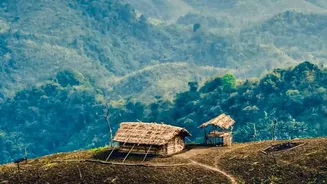
In Ziro, sustainability isn't a trend; it's a tradition. Choosing a sustainable homestay means directly supporting the local Apatani community and their eco-conscious lifestyle. These homestays are typically traditional houses made of bamboo and wood, run by local families. Staying in one offers an authentic glimpse into daily life that you won't find in a hotel. Sustainability here is about more than just eco-friendly materials; it involves farm-to-table meals with ingredients often sourced from the family's own garden, preserving cultural heritage, and ensuring that tourism revenue benefits the community directly. It's an immersive experience where you are welcomed as a guest, not just a tourist.
Finding and Booking Your Homestay
The best homestays in Ziro are woven into the fabric of villages like Hong, Hija, and Hari. Booking a stay often means connecting with the family that runs it. Many reputable homestays now have an online presence, but local tour operators and responsible travel forums are also excellent resources. When you book, you're not just securing a room; you're arranging an experience. This includes sharing meals by a traditional hearth, learning about Apatani customs, and waking up to misty views of the rice paddies. Some well-regarded homestays focus on this authentic cultural exchange, offering clean, comfortable lodging combined with genuine hospitality.
Beyond the Booking: Being a Responsible Traveller
Your responsibility as a traveller extends beyond your booking choices. When in Ziro, engage with the Apatani people respectfully. Always ask for permission before taking photographs, especially of elders. Minimize your environmental footprint by avoiding single-use plastics and managing your waste properly. Support local artisans by purchasing cane and bamboo crafts directly from them. By making conscious choices, you contribute to the preservation of this unique cultural landscape. This thoughtful approach ensures your visit is not only memorable for you but also positive for the community you are visiting.