





From Tradition to Trend
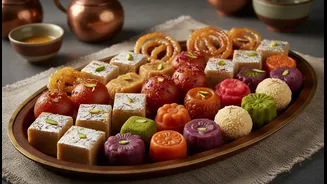
For generations, Indian sweets like gulab jamun, jalebi, and barfi have been cherished in their classic forms. But as culinary tastes evolve, chefs and restaurateurs are looking at these beloved classics with fresh eyes. The once-predictable dessert course
in Indian restaurants is now a playground for innovation, where traditional mithai is being deconstructed, reinvented, and fused with global dessert concepts. This trend isn't about replacing tradition but rather celebrating it by presenting it in a new, exciting context that appeals to a modern diner who is open to experimentation. The result is a surge in gourmet and fusion mithai that respects its origins while pushing creative boundaries.
The Anatomy of a Modern Mithai
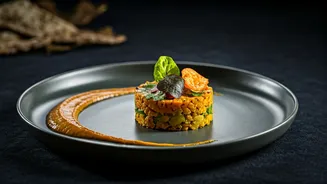
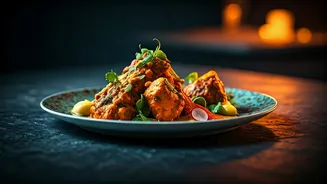
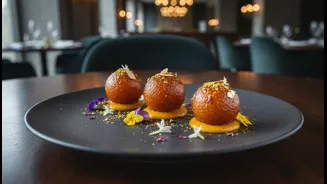
So, what does a mithai upgrade look like? It often involves one of three approaches: deconstruction, fusion, or textural transformation. Deconstruction takes a familiar sweet apart and reassembles it in a new form, like a motichoor ladoo parfait with layers of crumbled boondi and cream. Fusion is perhaps the most popular trend, giving birth to viral sensations like Gulab Jamun Cheesecake, where the soft, syrup-soaked spheres are baked into a creamy cheesecake. Other examples include Rasmalai Tiramisu, which swaps ladyfingers for spongy rasmalai, and Jalebi Waffles. Finally, chefs are using modern gastronomic techniques to alter textures, creating surprising new experiences like rabri foam or jalebi 'caviar'. These creations play with temperature, mouthfeel, and presentation to offer something both nostalgic and novel.
The Chefs Leading the Charge
This movement is being championed by innovative chefs and forward-thinking establishments across the country. Brands like Bombay Sweet Shop have built their identity on reimagining mithai, creating hits like kaju marzipan bon bons and offering inventive cafe dishes like dark chocolate rasgulla tiramisu. Similarly, Chef Ajay Chopra's Kshir & Canelé aims to blend Indian mithai with French patisserie techniques, creating a new category of gourmet confection. At restaurants like HOSA in Goa and Tresind in Mumbai, chefs are thoughtfully balancing flavour and texture to ensure their creations remain soulful, not gimmicky. The key, they agree, is to respect the original dessert's essence. The goal is to elevate, not overcomplicate, preserving the core flavours that make these sweets so beloved.
A Sign of Culinary Confidence
The rise of gourmet mithai is more than just a passing food trend; it’s a reflection of a larger movement in modern Indian cuisine. It signifies a growing confidence in local ingredients and culinary heritage. For years, dessert menus in upscale Indian restaurants often defaulted to Western options like chocolate cake or ice cream. This new wave of creativity puts Indian flavours front and centre, proving that traditional sweets can be just as sophisticated and complex as any international dessert. Moreover, as consumers become more health-conscious, some chefs are also creating lighter versions using natural sweeteners like dates or jaggery, making indulgence a little less guilty. This evolution ensures that mithai remains relevant and cherished for generations to come, adapting to contemporary palates without losing its soul.