




An Annual Celestial Spectacle
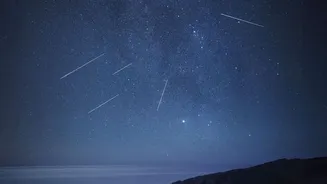
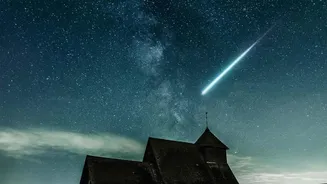
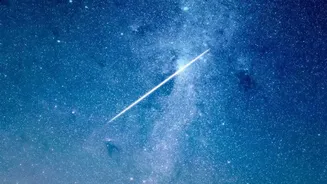
The Perseid meteor shower is an annual event that occurs when the Earth passes through the trail of debris left by Comet 109P/Swift-Tuttle. As these tiny particles, some no larger than a grain of sand, enter our atmosphere at speeds of nearly 60 kilometres
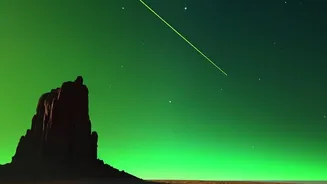
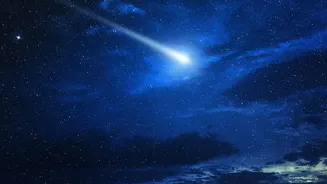
per second, they burn up and create brilliant streaks of light. Known for their speed and brightness, Perseid meteors often leave long, glowing trails, and the shower is famous for producing dazzling fireballs. This makes it one of the most reliable and beloved meteor showers of the year for observers worldwide.
Perfect Timing for 2026
This year's event is particularly special. The peak of the shower, on the night of August 12 and into the pre-dawn hours of August 13, coincides perfectly with a New Moon. This means the sky will be completely dark, without any moonlight to wash out the fainter meteors. For viewers in India, the best time to watch will be between 2:00 AM and 4:30 AM IST on the morning of August 13. While India will miss the absolute global peak, which occurs during its daylight hours, the pre-dawn window will still provide a fantastic show, with the potential to see up to 100 meteors per hour under ideal conditions.
Where to Watch in India
The single biggest challenge for viewing the Perseids in India is the monsoon season. August often brings heavy cloud cover to large parts of the country. However, there are regions that offer a much better chance of clear skies. High-altitude, rain-shadow areas are your best bet. Locations like Ladakh and Spiti Valley in Himachal Pradesh are considered prime destinations, as they receive minimal monsoon rainfall and boast some of the darkest skies in Asia. The Rann of Kutch in Gujarat is another excellent option due to its desert climate. If travelling that far isn't possible, look for opportunities in rain-shadow regions or elevated areas near you, like Malshej Ghat for those near Mumbai and Pune, which can experience clear spells between showers.
How to Get the Best View
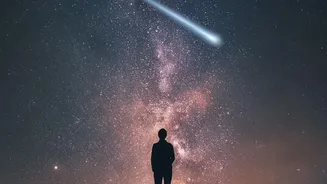
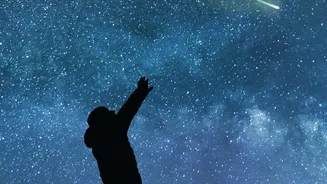
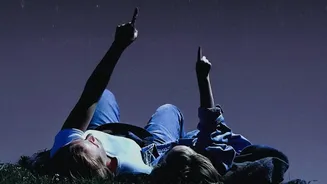
You don't need any special equipment to enjoy the show; in fact, the best way to watch a meteor shower is with your naked eyes. Telescopes and binoculars have a narrow field of view, making it easy to miss the meteors streaking across the sky. Find a location as far away from city lights as possible, as light pollution can significantly reduce visibility. Plan to arrive early and give your eyes at least 20 to 30 minutes to fully adjust to the darkness—this means putting your phone away. Lie back on a blanket or recline in a chair and look up. While the meteors originate from the direction of the Perseus constellation in the northeast, they can appear anywhere in the sky, so a wide view is essential.
What to Pack for the Night
A successful night of meteor watching is all about comfort and patience. Pack a comfortable blanket or a reclining chair to avoid neck strain from looking up for long periods. Even in August, nights can get cool, especially at higher altitudes, so bringing warm clothing is a good idea. Don't forget snacks and a flask of a warm beverage to keep your energy up. If you need a flashlight, use one with a red filter or cover a regular torch with red cellophane. Red light has a minimal impact on your night vision, unlike the harsh glare of a standard white light or a phone screen. Most importantly, bring patience. Meteors appear in spurts, and there can be lulls in activity.