





Look Beyond the Obvious
The first rule of finding a hidden gem is to look where others aren't. While popular towns like Manali and Rishikesh have their charm, the truly special, affordable riverside spots are often located in smaller, lesser-known valleys and villages. Think
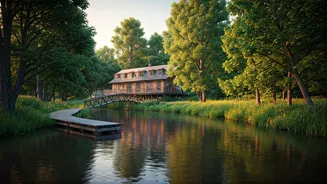
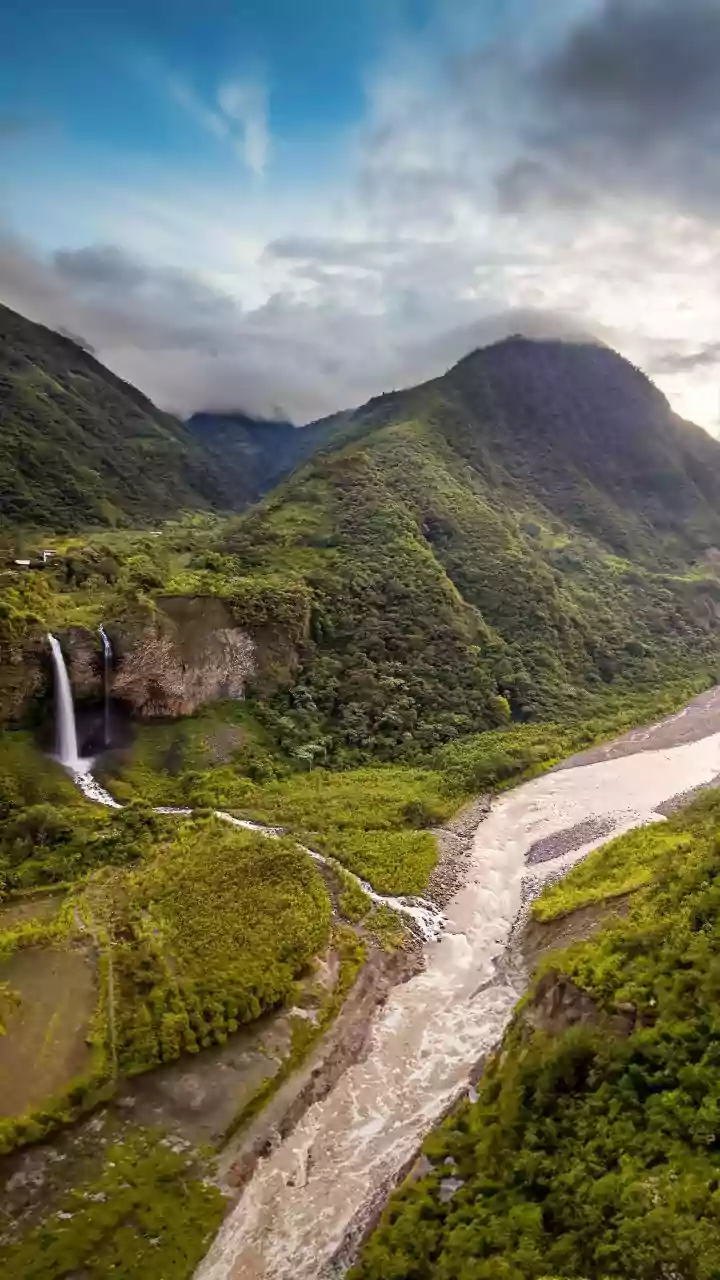
Tirthan Valley or Sainj Valley in Himachal Pradesh instead of just Shimla. Consider the banks of the Teesta River in West Bengal or the serene backwaters of Kerala, away from the main tourist circuits. These places not only offer more peace but are also home to family-run guest houses that provide an authentic experience at a fraction of the cost of their big-city counterparts. Your search should begin with exploring maps of these states and looking for small settlements near rivers, creating a shortlist of potential destinations before you even start looking for accommodation.
Master the Art of the Digital Search
Major booking websites are built for mainstream tourists, not treasure hunters. To find offbeat stays, you need to think like a local. Use Google Maps and switch to satellite view to literally scan riverbanks for small buildings that look like guest houses or homestays. Then, search for their names directly. Instagram is another powerful tool. Search for hashtags like #[YourValley]Homestay (e.g., #TirthanValleyHomestay) or browse location tags for smaller villages. You’ll often find properties that only advertise through social media, showcasing authentic photos and guest experiences. Travel blogs written by backpackers are also gold mines of information. They often list places that aren't on any commercial platform, complete with contact details and honest reviews.
The Power of a Direct Call
Once you’ve found a promising guest house, resist the urge to book through an aggregator if a phone number is available. Online travel agencies (OTAs) charge properties a commission of 15-25%, a cost that is often passed on to you. By contacting the owner directly via phone or WhatsApp, you open the door for negotiation. You’re not just a booking number anymore; you’re a person. This personal connection is key, especially when you’re a student. Politely explain that you are a student travelling on a tight budget and ask if they have a special rate available. More often than not, small, independent owners are happy to offer a 10-15% discount for a direct booking to save on commission fees and secure a guaranteed guest.
Leverage Your Student Status Wisely
The term 'student rebate' isn't always a formal, advertised discount. It’s a saving you create. Always have your valid student ID ready. When you call to book, mention you are a student. This builds empathy and can lead to a better rate. Another powerful strategy is to offer a longer stay. A guest house owner would much rather have a room filled for five nights at a slightly lower rate than have it empty for three. Propose a longer stay in exchange for a discounted price per night. If you’re travelling in a small, responsible group, mention this as well. Booking two or three rooms together gives you significant bargaining power. The key is to be polite, reasonable, and show that you will be a respectful guest.
Timing Is Everything: Go Off-Season
The single biggest factor in securing massive savings is your travel date. Avoid long weekends, national holidays, and peak vacation months at all costs. Instead, aim for the 'shoulder season'—the period just before or after the peak season. For mountain locations, this might be September after the monsoon or March before the summer rush. The weather is often pleasant, the crowds are gone, and owners are desperate for business. Prices for rooms can drop by as much as 50%. You’ll not only save a huge amount of money but also experience the location in its most peaceful and authentic state. This is when you can truly connect with the place and its people, which is the whole point of seeking an offbeat experience.