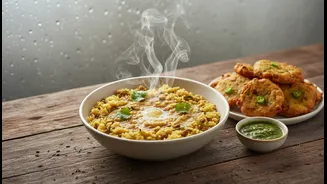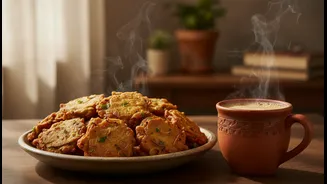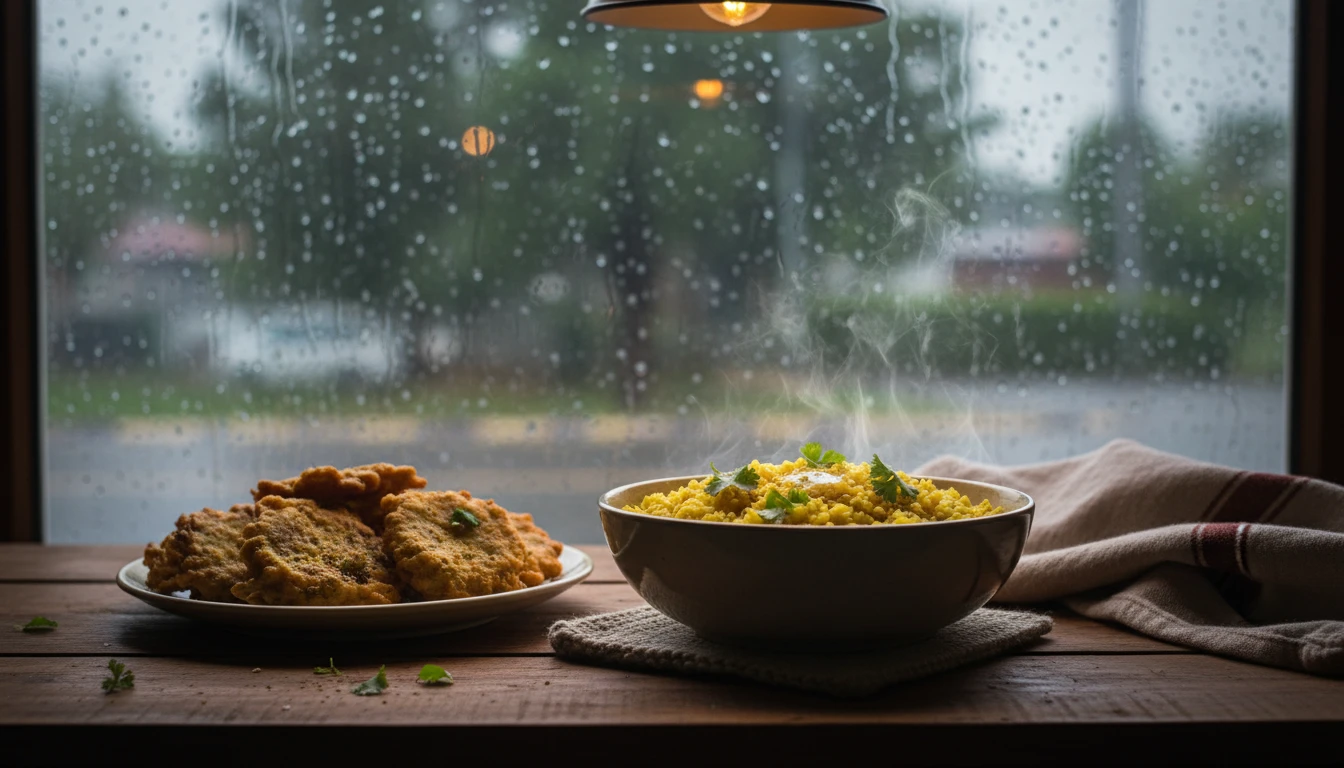




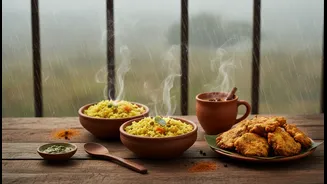


An Irresistible Monsoon Romance
The connection between rain and a craving for chai and pakoras is almost Pavlovian in India. As the temperature dips and the smell of wet earth fills the air, our bodies instinctively seek warmth and comfort. Psychologically, the gloomy weather can lower
our mood, and comfort foods like hot, fried snacks can trigger a release of dopamine, making us feel good. This isn't just about hunger; it's about a deep-seated emotional and sensory response. The crispiness of the pakora offers a satisfying contrast to the damp, soggy weather outside. This pairing is a tradition passed down through generations, transforming a simple snack into a cultural phenomenon that signifies comfort, family, and a delicious pause from the world.
Mastering the Perfect Cup of Masala Chai
A truly great cup of chai is a balance of strong tea, creamy milk, and aromatic spices. While instant mixes are available, nothing compares to the flavour of brewing it from scratch. For two authentic servings, start by bringing about 1.5 cups of water to a simmer. To this, add your crushed spices. A classic combination includes a one-inch piece of fresh ginger, 3-4 green cardamom pods, 2 cloves, and a small cinnamon stick. Let these spices infuse the water for a few minutes to release their essential oils. Then, add two tablespoons of strong black tea leaves, like Assam, and let it boil until the colour darkens. Now, pour in about 1.5 cups of whole milk and bring it all to a rolling boil. Be sure to boil the ginger and spices in water first before adding milk to prevent curdling. Add sugar or jaggery to your preferred sweetness. Simmer for another two minutes, allowing the flavours to meld and the chai to thicken slightly. Strain and serve hot.
The Art of the Crispiest Pakoras
Pakoras are wonderfully versatile, with endless variations using different vegetables. The secret to a great pakora lies in the batter and the frying technique. For a basic, all-purpose batter, you'll need about 2 cups of chickpea flour (besan), salt, a teaspoon of turmeric powder, and red chilli powder to taste. Some recipes also include ajwain (carom seeds) for a distinctive flavour. Gradually add water while whisking to form a smooth, thick batter, similar to a thin pancake mix. It should be just thick enough to coat your chosen vegetables without being too heavy. Popular choices include thinly sliced onions, potatoes, spinach leaves, cauliflower florets, or even paneer. Heat oil in a deep pan or karai over a medium flame. If the oil is too hot, the pakoras will brown quickly but remain raw inside; if it's not hot enough, they will absorb too much oil and become greasy. Dip your vegetable pieces in the batter, ensuring they are well-coated, and carefully drop them into the hot oil. Fry in small batches until they are golden brown and crisp, which usually takes 5-7 minutes.
Perfect Pairings and Variations
While chai and pakoras are a match made in heaven, the experience can be elevated even further with the right chutney. A classic green chutney, made with fresh cilantro, mint, green chillies, and a squeeze of lime, provides a fresh, tangy counterpoint to the rich, fried pakoras. For those who prefer a sweet and tangy flavour, a tamarind (imli) chutney is an excellent choice. Every region in India has its own beloved version of fried snacks for the monsoon. In Maharashtra, Kanda Bhajji (onion pakoras) and Batata Vada are staples, while in the south, you might find Medu Vada served with filter coffee. Don't be afraid to experiment with your pakora fillings—from fenugreek leaves (methi) to banana, the possibilities are delicious and endless.