








The Tyranny of Too Much Choice
That feeling of being overwhelmed by a massive menu isn't just in your head. It's a well-documented psychological principle called 'choice overload' or the 'paradox of choice'. When faced with too many similar options, our brains struggle to make a decision,
leading to anxiety and even regret over the final pick. Studies have shown this for years; in one famous experiment, shoppers were far more likely to buy jam when presented with six choices versus twenty-four. In restaurants, this translates to diners taking longer to order, defaulting to the 'safe' option they always get, or feeling less satisfied with their meal. Confronted with pages of appetisers, mains, and sides, the pleasure of eating out can quickly turn into a stressful chore before the first dish even arrives.
The Antidote: Purposeful, Edited Dining
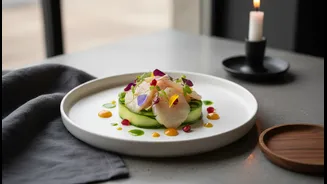
In response, a growing number of chefs and restaurateurs are embracing a 'less is more' approach. This trend, often called purposeful or intentional dining, is about replacing encyclopedic menus with shorter, highly curated selections. It’s not just about offering fewer dishes; it's about editing with intent. Each item on the menu is chosen for a reason—it might highlight a seasonal ingredient, tell a story about a specific region, or perfectly express the chef's culinary philosophy. This shift transforms the menu from a list of options into a statement of confidence. The chef is no longer asking, “What would you like?” but rather saying, “Let me show you something amazing.” This is about creating a memorable, immersive experience where the food, atmosphere, and story all work together.
A Smarter Strategy for Restaurants
For restaurants, the move to a smaller, more focused menu is also a savvy business decision. A shorter list of dishes means buying fewer types of ingredients, which significantly reduces inventory costs and food waste. It allows the kitchen team to master a smaller number of preparations, leading to higher, more consistent quality in every plate that goes out. This focus also lets chefs be more agile, making it easier to feature seasonal produce or react to market price fluctuations. Instead of trying to be everything to everyone, these restaurants build a stronger identity and a loyal following of diners who trust their vision. In cities like Mumbai and Delhi, this is seen in the rise of 'micro-eateries'—small, intimate spaces with highly specific, chef-driven menus that prioritise quality over quantity.
The Trend Takes Root in India
This philosophy is gaining significant momentum across India’s dynamic food scene. Restaurants are moving beyond generic 'multi-cuisine' fare to offer focused, story-driven experiences. In Mumbai, tasting-menu-only restaurants like Masque have championed the idea of letting the chef guide the experience, building menus around hyperlocal ingredients that change constantly. In Delhi, intimate spots like The Love Hotel offer just a dozen small plates, allowing them to perfect each one. This intentional approach is about celebrating authenticity, whether it's exploring the lesser-known dishes of a specific region or giving a modern spin to traditional techniques. It’s a move away from the restaurant as just a place to eat and towards the restaurant as a cultural destination. As diners become more adventurous, they are rewarding establishments that offer a clear point of view.