




Shillong, Meghalaya: Scotland of the East
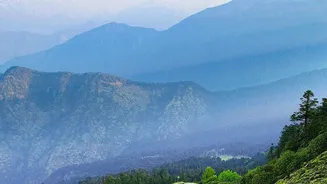
Often celebrated for its pleasant climate and rolling hills, Shillong's high altitude and abundant rainfall help in maintaining a generally cleaner atmosphere compared to the country's major urban centers. While daily AQI can vary, the capital of Meghalaya
is nestled amidst dense pine forests that act as natural air purifiers. This makes it an ideal setting for outdoor exploration. Key attractions include the serene Ward's Lake, perfect for a gentle stroll, and the majestic Elephant Falls just outside the city. For a truly immersive experience, a walk through the Mawphlang Sacred Forest offers a deep connection with nature. The vibrant Police Bazar provides a glimpse into local life and culture. The best time to visit is from September to May, when the weather is pleasant and conducive to sightseeing.
Gangtok, Sikkim: Himalayan Serenity
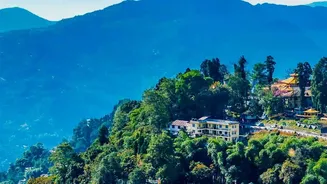
Sikkim's capital, Gangtok, is renowned for its commitment to cleanliness and eco-friendly policies, including long-standing restrictions on plastic use. Perched high in the Himalayas, the city benefits from mountain winds that help disperse pollutants, resulting in a generally crisp and clean environment. Though its AQI can fluctuate, it remains one of India's cleanest capital cities. The pedestrian-only MG Marg is the city's clean and vibrant heart, perfect for an evening walk. For panoramic views of the Kanchenjunga range, a trip to Tashi Viewpoint at sunrise is a must. Other key experiences include visiting the peaceful Rumtek Monastery and the enchanting Ban Jhakri Falls. October to mid-December offers clear skies, while March to May is lush with blooming rhododendrons.
Aizawl, Mizoram: The Quiet Hilltop Champion
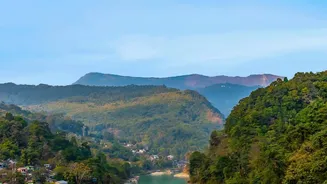
Aizawl consistently ranks as one of India's least polluted cities, a reputation earned through its hilly terrain, low traffic density, and strong community-driven cleanliness initiatives. The capital of Mizoram is built on steep ridges, which naturally discourages heavy industrialisation and promotes fresh air circulation. Visitors can soak in the tranquil atmosphere and enjoy panoramic views from the Durtlang Hills. A visit to the Reiek Heritage Village, a short drive away, offers a glimpse into traditional Mizo life. The city also has a burgeoning café culture, perfect for relaxing after a day of exploration. The best time to visit is from October to March, when the weather is cool and pleasant, ideal for trekking and sightseeing.
Kinnaur, Himachal Pradesh: Pristine Mountain Air
For those seeking truly untouched Himalayan air, the district of Kinnaur is an unparalleled choice. Located in a remote, high-altitude region of Himachal Pradesh bordering Tibet, Kinnaur has virtually no industrial activity and a low population density, contributing to some of the purest air in North India. The journey itself, along the dramatic Hindustan-Tibet Highway, is a key part of the experience. The region is dotted with beautiful villages like Kalpa, which offers stunning sunrise views of the Kinner Kailash peak, and Sangla Valley, known for its apple orchards and dense forests. The period from May to June and September to October is ideal, offering clear skies and accessible roads before the winter snow arrives.
Madikeri, Coorg: The Green Heart of Karnataka
Nestled in the Western Ghats, Coorg, officially known as Kodagu, is a land of misty hills, dense forests, and sprawling coffee plantations. Its main town, Madikeri, benefits from this immense green cover, which helps maintain good air quality year-round. It offers a refreshing southern escape from urban pollution. Visitors can explore the fragrant coffee estates, take a walk to the picturesque Abbey Falls, or visit Raja's Seat to watch a spectacular sunset over the rolling hills. Talacauvery, the source of the river Cauvery, is another significant and serene spot to visit. The best time to travel to Coorg is from October to March, when the weather is cool and perfect for outdoor activities.
Munnar, Kerala: High-Altitude Tea Gardens
Famous for its emerald-green tea plantations that carpet the hillsides, Munnar's high altitude and vast stretches of greenery ensure its air remains clean and refreshing. Located in the Western Ghats in Kerala, this hill station has minimal industrial pollution, making its air feel therapeutic. A visit to the Eravikulam National Park, home to the endangered Nilgiri Tahr, offers both wildlife spotting and stunning landscapes. Exploring the tea gardens and visiting a tea museum to learn about the process is an essential Munnar experience. The serene Mattupetty Dam and Top Station, which offers incredible views, are other must-visit spots. The ideal time to visit is from September to March for pleasant weather and clear skies.