




Why Your New Car Will Cost More
Several of India’s largest carmakers, including Maruti Suzuki, Hyundai, and Tata Motors, have confirmed price increases effective from August and September 2026. These hikes, ranging from 1% to specific amounts up to ₹30,000, apply across both petrol/diesel
and electric vehicle models. Automakers have consistently cited the same reasons for these revisions: the rising cost of raw materials like steel and aluminium, higher logistics expenses, and broader inflationary pressures. This isn't a one-off event; it is the second or even third price increase announced by several major brands this year, indicating that cost pressures are sustained and manufacturers are now passing a portion of this burden to customers.
Rethink Your Budget for Total Ownership
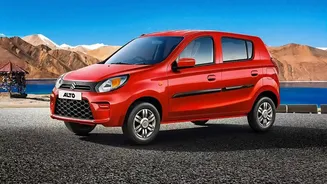
The higher sticker price is only the beginning. A prudent budget must account for the total cost of ownership, which includes insurance, registration, fuel, and regular maintenance. With initial purchase prices climbing, the overall financial commitment also increases. Financial experts advise creating a detailed budget that not only covers the down payment and EMIs but also sets aside funds for these recurring expenses. This is particularly crucial in a market where even entry-level cars have seen price bumps, though manufacturers like Maruti Suzuki have tried to keep hikes on smaller cars like the Alto and WagonR minimal to protect affordability. Don’t let a stretched EMI compromise your ability to comfortably run and maintain the vehicle for the next five to seven years.
Will Festive Discounts Still Exist?
Despite the price hikes, the festive season will almost certainly bring promotional offers. Historically, the period from Navratri to Diwali is the most competitive for automakers, who roll out everything from cash discounts and exchange bonuses to free insurance and special finance schemes to attract buyers. However, this year, the nature of these deals might change. The discounts may not fully offset the recent price increases. Consumers should compare offers diligently, looking beyond the headline discount to the net effective price. While automakers are ramping up production for strong festive demand, the underlying cost pressures remain. The best deals might be on models that are about to receive a facelift or on less popular variants that dealers are keen to move.
Consider the Growing Used Car Market
The widening affordability gap between new cars and consumer budgets is making the pre-owned market more attractive than ever. India's used car market is growing rapidly, with studies showing that first-time buyers, in particular, are opting for used vehicles to get more features and a better-equipped model for their budget. A three-year-old used car can offer significant savings over its new counterpart, often with much of the depreciation already absorbed by the first owner. The rise of organised platforms offering certified vehicles with warranties and transparent service histories has also reduced the risk traditionally associated with buying a used car. For the price of a new entry-level hatchback, a buyer might find a well-maintained, feature-rich used sedan or compact SUV.
Is It the Right Time for an Electric Vehicle?
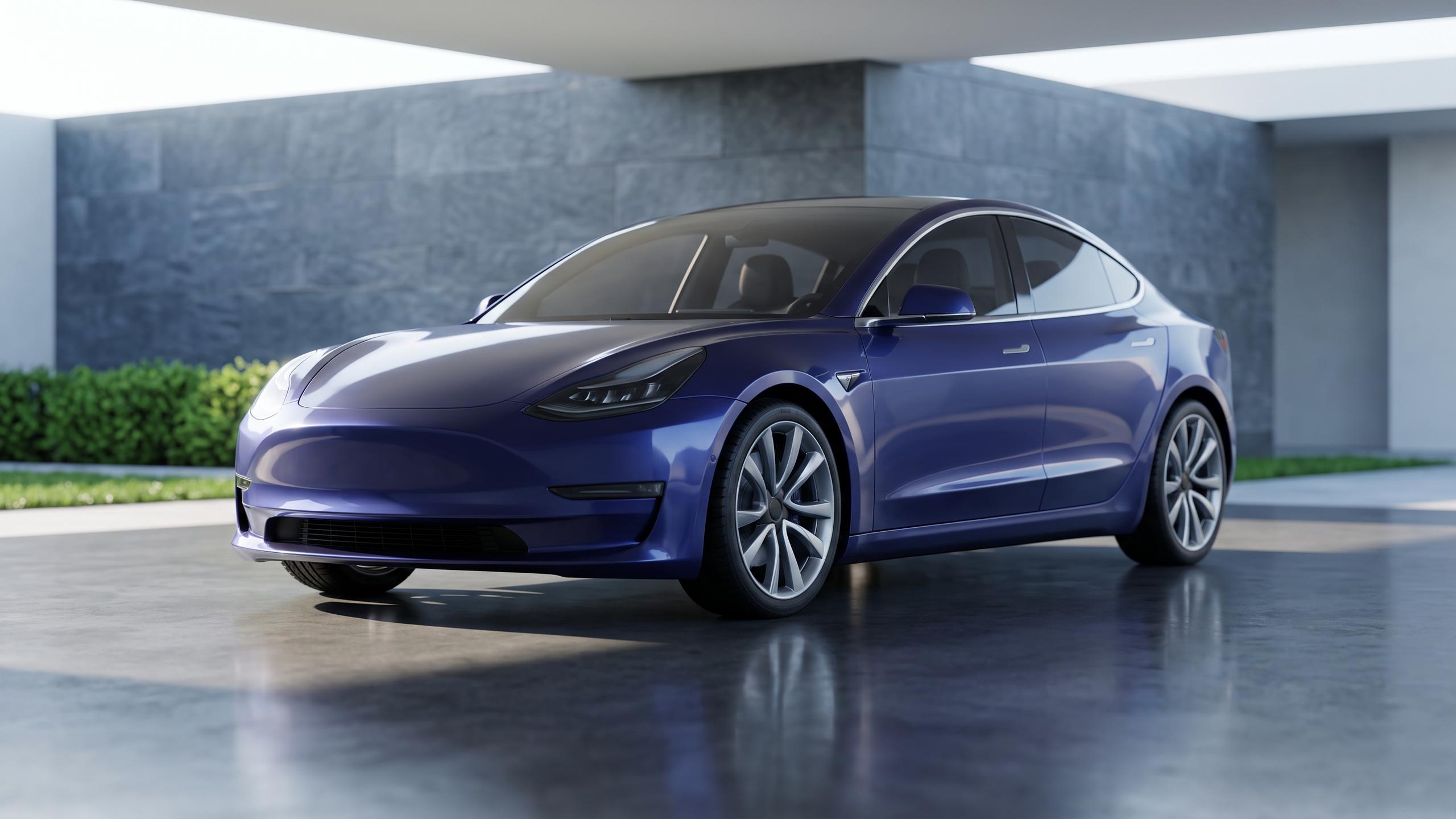
The recent price hikes have affected electric vehicles (EVs) as well, with companies like Tata Motors including them in their price revisions. However, with fuel costs remaining a concern, the long-term savings from an EV can still be compelling. The festive season may see new EV launches and continued government incentives that could sweeten the deal. Automakers are projecting strong growth for the EV segment, with some expecting sales to expand by over 70% this fiscal year. Prospective buyers should evaluate their daily usage, the availability of charging infrastructure at home and work, and the total cost of ownership compared to an equivalent petrol or diesel car before making a decision. For many, especially those with a predictable daily commute, an EV could be a financially sound choice despite the higher initial cost.
Should You Buy Now or Wait?
With prices set to increase from September 1 for several brands, those who have already decided on a model might save a little by purchasing in August. However, the best festive discounts typically emerge from late September through October and November. There is no single right answer. If your preferred car is a popular, in-demand model, waiting for a big discount might be futile. If you are flexible on the model or variant, waiting for the peak festive season could yield better offers. The key is to be prepared. Finalise your budget, shortlist a few options, and track prices and offers over the coming weeks. A well-informed, patient buyer is more likely to secure a good deal, even in a rising market.