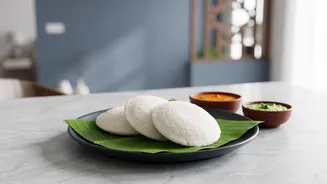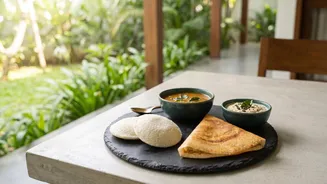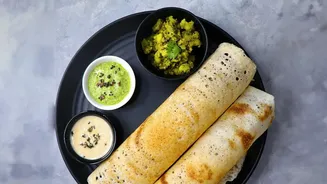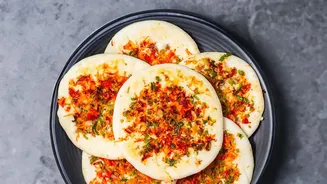

The Ancient Art of Transformation
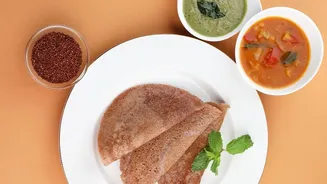
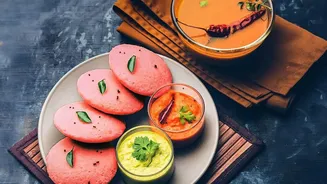
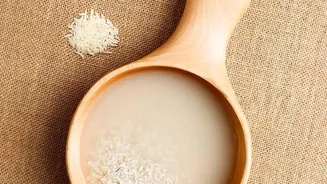
Fermentation is a natural process where microorganisms like bacteria and yeast break down the components in food. In South Indian kitchens, this is a daily ritual. A batter of soaked and ground rice and urad dal (black gram lentils) is left to rest overnight.
During these 8-12 hours, a magical transformation occurs. Naturally present microbes begin to feast on the carbohydrates, initiating a process that not only leavens the batter but also supercharges its nutritional profile. This isn't just about making the batter rise; it's a form of pre-digestion, making the food easier on our stomachs.
A Symphony of Good Bacteria
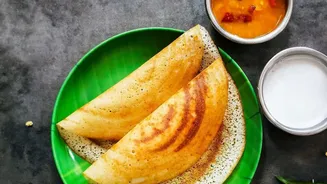
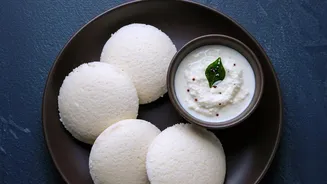
The stars of this fermentation show are Lactic Acid Bacteria (LAB), particularly strains like Leuconostoc mesenteroides and various species of Lactobacillus. These are the same types of 'good bacteria' hailed as probiotics. As they multiply in the batter, they produce lactic acid, which gives idli and dosa their characteristic subtle tang and helps preserve the batter from spoilage microbes. Studies have shown that a traditionally prepared batter is teeming with these beneficial bacteria, turning a simple meal into a probiotic powerhouse that can help enrich the diversity of our gut microbiome.
Unlocking Essential Nutrients
One of the most significant benefits of this fermentation process is its ability to neutralize 'anti-nutrients' like phytic acid. Phytic acid, naturally present in grains and legumes, binds to minerals like iron, zinc, and calcium, preventing our bodies from absorbing them effectively. The enzymes produced by the bacteria during fermentation break down a significant amount of this phytic acid. This process dramatically increases the bioavailability of these essential minerals, meaning your body can absorb and use more of the nutrients locked within the rice and dal.
From Probiotic Batter to Prebiotic Meal
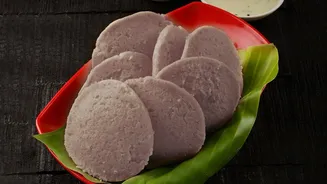
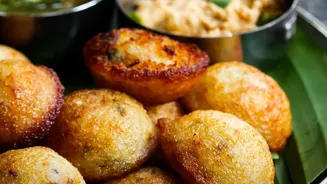
A common question is whether the probiotics survive the cooking process. When the batter is steamed to make idli or cooked on a hot pan for dosa, the high temperatures do kill the live bacteria. However, the benefits don't disappear. The fermented food, now rich in broken-down starches and proteins, is easier to digest. Furthermore, the cooked idli and dosa act as excellent prebiotics. Prebiotics are essentially food for the good bacteria already living in your gut. The fiber from the rice and lentils nourishes your existing microbiome, helping it thrive. So, while you may not be consuming live bacteria in the final product, you are feeding the beneficial ones already in your system.
Beyond the Gut: Overall Wellness
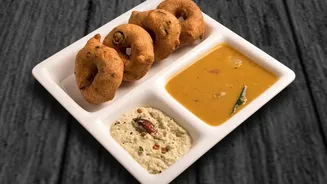
A healthy gut microbiome is increasingly linked to our overall well-being, influencing everything from our immune system to our mood. By promoting a diverse and balanced gut environment, fermented foods can help reduce inflammation and strengthen the body's immune response. The easily digestible nature of idli and dosa provides sustained energy without the heavy feeling associated with other breakfasts. When paired with sambar, which is rich in vegetable fiber, and coconut chutney, which contains healthy fats, it becomes a complete, balanced meal that supports digestive health from multiple angles.