








Jamun: The Monsoon Superfruit
The deep purple Jamun, or Indian blackberry, is a quintessential monsoon fruit for good reason. It is packed with essential nutrients like iron, potassium, and vitamins A and C. This low-calorie fruit is an antioxidant powerhouse, helping to strengthen
the immune system which is crucial for fighting off common monsoon infections like the cold and flu. Jamun is also celebrated in traditional medicine for its ability to aid digestion and manage blood sugar levels. Its antibacterial properties can help with various gastric issues that are prevalent during the rainy season.
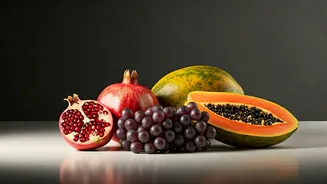
Pomegranate (Anaar): The Immunity Booster
Pomegranates are available for much of the year, but their arrival in the monsoon is particularly welcome. The jewel-like seeds are rich in powerful antioxidants and have anti-inflammatory properties that help protect the body against infections. Regular consumption can help increase haemoglobin levels, keeping you energetic during gloomy, damp days. Pomegranates are also known to be beneficial for heart health and can help manage blood pressure. Add them to salads or yoghurts for a nutritious boost.
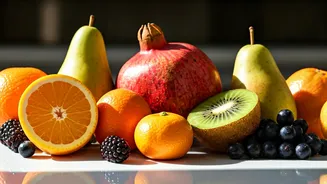
Pears (Nashpati): The Gentle Digestive Aid
Crisp and juicy, pears are an excellent choice for the monsoon. They are rich in dietary fibre, which promotes healthy digestion and can help prevent constipation, a common issue when digestive systems slow down in humid weather. Pears are also a great source of immunity-boosting vitamin C. With a high water content, they also help in keeping the body hydrated, which is important even when the weather isn't hot. Being a low-calorie, high-fibre fruit, they also contribute to a feeling of fullness, aiding in weight management.
Plums (Aloo Bukhara): The Fibre-Rich Treat
The sweet and tart flavour of plums makes them a monsoon favourite. These fruits are a good source of dietary fibre, aiding the digestive system. They are also packed with vitamins A and C, and antioxidants that help build a stronger immune system to ward off seasonal illnesses. Plums are known to contain compounds that can help improve circulation and are beneficial for overall health.
Cherries: The Antioxidant Powerhouses
Available at the beginning of the monsoon, cherries are a delicious and healthy choice. They are low in calories but high in antioxidants, which help reduce inflammation and fight infections. Some studies suggest that cherries can help lower bad cholesterol and uric acid levels, contributing to better overall health. Their vibrant colour and sweet taste make them a delightful snack to enjoy fresh during the rainy season.
A Word of Caution
While fruits are healthy, some require extra care during the monsoon. Fruits with high water content, like watermelon and muskmelon, can be susceptible to contamination if not handled properly and are sometimes best avoided. Also, be wary of pre-cut fruits sold by street vendors, as the risk of contamination from unclean water or exposure to flies is high. The high humidity can cause fruits to spoil faster, so it's best to buy fresh and consume them quickly.
Tips for Safe Consumption
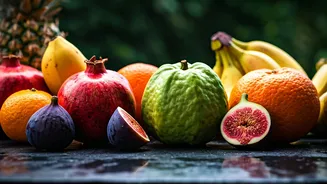
To enjoy fruits safely this monsoon, always wash them thoroughly under clean running water, even if you plan to peel them. It's best to buy whole fruits and cut them yourself at home just before eating. Avoid fruits with any signs of mould, cuts, or bruises on the skin, as these can be entry points for bacteria. Opting for fruits with thick peels like bananas and pomegranates can also be a safer bet, as the edible part is well-protected.