

A Tale of Two Teams
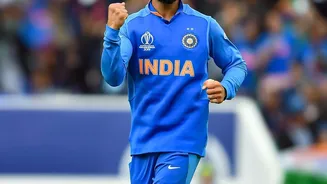
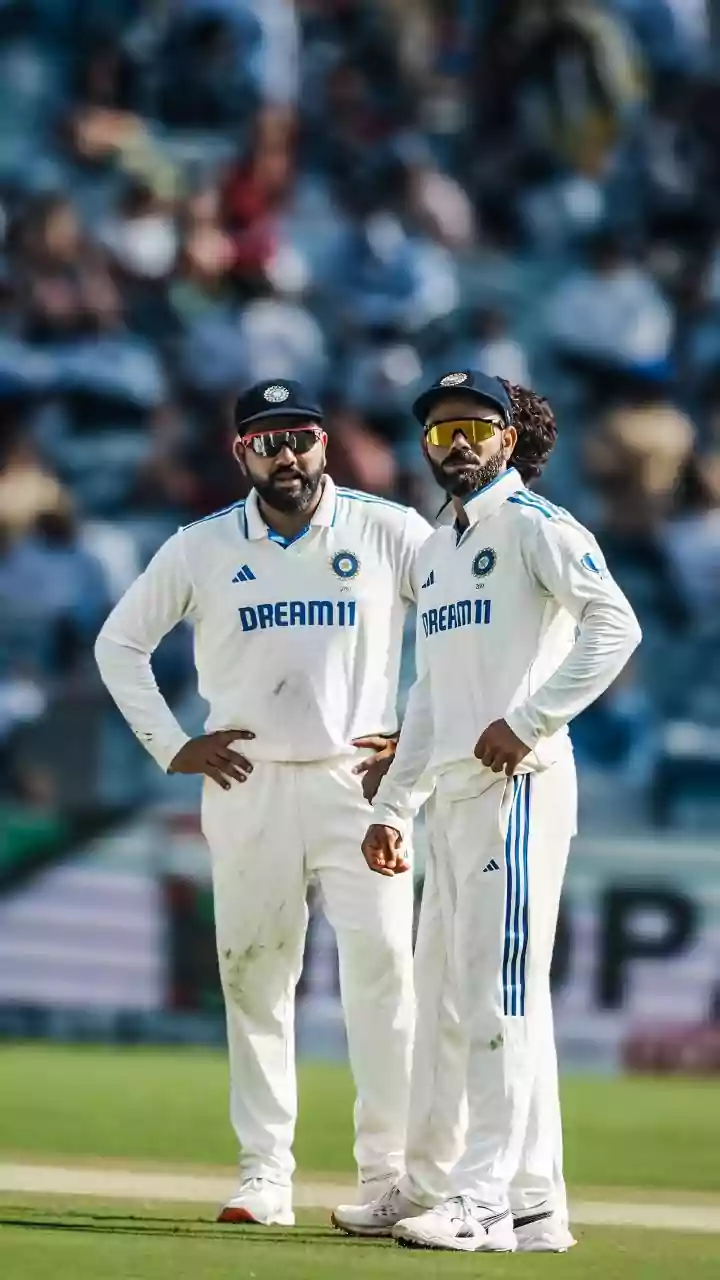
Under Virat Kohli’s captaincy, India was a juggernaut. From 2017 to 2021, the team boasted a formidable record across all formats, including historic Test series wins in Australia. They entered every major tournament as one of the hot favourites, consistently
performing well in the group stages. In 68 Tests, India won 40; in 95 ODIs, they won 65; and in 50 T20Is, they won 30. Yet, this statistical dominance in bilateral series never translated into championship glory. The team that looked invincible in head-to-head contests often seemed to stumble when the stakes were highest, creating a frustrating narrative of being 'so close, yet so far'.
The Knockout Conundrum
The story of Kohli's captaincy in ICC events is a story of knockout heartbreaks. In the 2017 Champions Trophy final, India was comprehensively outplayed by a charged-up Pakistan, losing by a massive 180 runs. After a promising start, Mohammad Amir’s fiery opening spell dismantled India's famed top order, including the key wickets of Rohit Sharma and Kohli himself. Two years later, in the 2019 ODI World Cup semi-final against New Zealand, a similar top-order collapse saw India reduced to 24 for 4 in pursuit of a modest target. Kohli famously described these collapses as "45 minutes of bad cricket" that undid months of excellent work. It became a recurring theme: the team that dominated the league phase seemed to have a mental block in do-or-die encounters.
The Unsettled Middle Order
A persistent issue throughout Kohli's tenure was the lack of a settled, powerful middle order. The over-reliance on the top three—Rohit Sharma, Shikhar Dhawan, and Kohli himself—was often exposed in high-pressure games. The 2019 World Cup campaign, in particular, was haunted by the team's inability to find a reliable No. 4 batsman. Several players were tried in the position without being given a consistent run, leading to instability. When the top order failed in the semi-final against New Zealand, the middle order was unable to absorb the pressure, despite a heroic effort from Ravindra Jadeja and MS Dhoni. This lack of depth proved to be a critical weakness.
Questionable Team Selections and Tactics
In hindsight, some tactical decisions and team selections have drawn criticism. Kohli's decision to bowl first in the 2017 Champions Trophy final on a flat pitch backfired, allowing Pakistan to post a daunting total of 338. A crucial no-ball from Jasprit Bumrah gave a reprieve to Pakistani opener Fakhar Zaman, who went on to score a match-winning century. In the 2021 T20 World Cup, India's campaign was derailed after just two games following heavy losses to Pakistan and New Zealand. The batting lineup failed to fire when batting first, and the team seemed to struggle with the conditions, particularly the dew factor in evening matches. Critics pointed to a potential lack of tactical flexibility and over-tinkering with the playing XI at crucial moments.
The Captain's Legacy in Context
For his part, Kohli has reflected on his captaincy, acknowledging the label of a "failed captain" in some circles for not winning an ICC trophy. However, he has also emphasized that his primary goal was to instill a cultural change in the team—a focus on fitness, professionalism, and a relentless winning attitude, especially in Test cricket. Under his leadership, India became the No. 1 Test team for 42 consecutive months and developed a fast-bowling attack that could win matches anywhere in the world. His partnership with coach Ravi Shastri transformed the team's ambitions and work ethic.