


Start Small and Simple
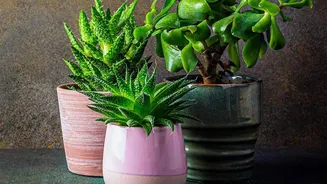
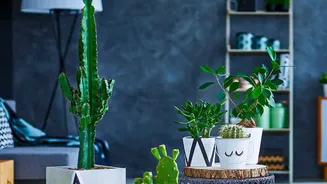
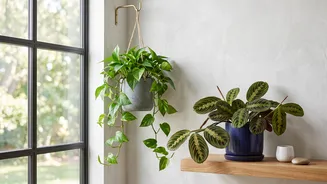
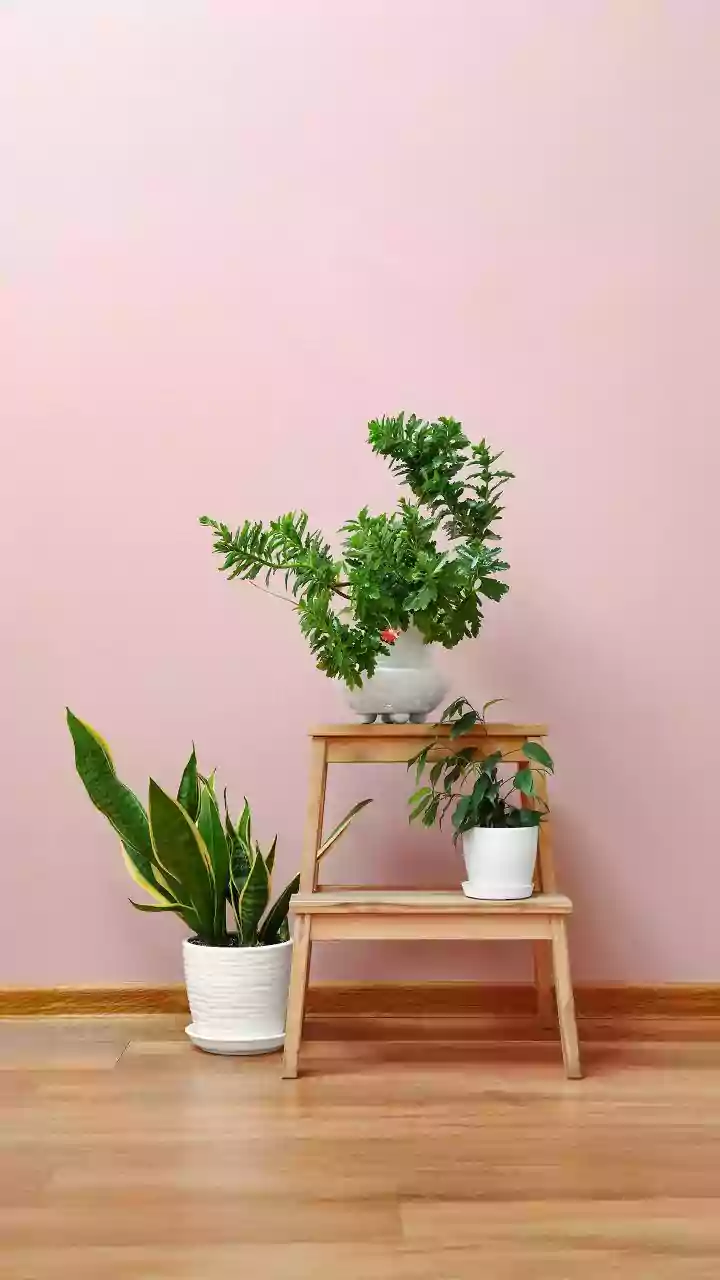
One of the biggest mistakes new gardeners make is trying to do too much at once. The key to building confidence is to start with just three to five manageable plants in containers. This approach allows you to learn the basics of watering, sunlight, and
general care without feeling overwhelmed. You can always expand your garden as you become more comfortable and experienced. Choosing resilient, low-maintenance plants first will set you up for success and make the learning process enjoyable rather than stressful.
Understand Your Sunlight
Before you buy a single plant, observe your space. The most critical factor for a thriving garden is sunlight. Watch your balcony, windowsill, or yard throughout the day to see how many hours of direct sun it receives. Most vegetables and flowering plants need at least five to six hours of sunlight to flourish. If your space is shadier, you'll need to choose plants that tolerate lower light conditions. Knowing your light situation is the first step to choosing plants that will be happy in your home.
Prepare Your Soil
Good soil is the foundation of a healthy garden. While it might be tempting to use soil from your backyard, it's often too dense or lacks the necessary nutrients for potted plants. For container gardening, a quality potting mix is essential. This is typically a blend of soil, coco peat, and compost, which provides a light, well-draining medium for roots to grow. This mixture retains moisture without becoming waterlogged, which is a common cause of root rot. Investing in good soil gives your plants the best possible start in life.
Choose Beginner-Friendly Plants
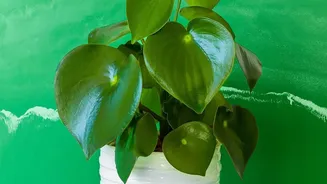
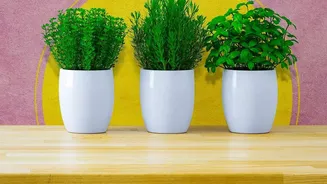
Setting yourself up for success means choosing plants that are known to be hardy and forgiving. For an Indian climate, easy-to-grow options include herbs like tulsi (holy basil) and mint, which are resilient and useful in the kitchen. Vegetables like spinach, coriander, and cherry tomatoes are also great choices for beginners. If you're more interested in decorative plants, Money Plant (Pothos), Snake Plant, and Aloe Vera are incredibly low-maintenance and adapt well to various home environments.
Water Wisely
Overwatering is one of the most common ways beginners accidentally harm their plants. It's a myth that every plant needs to be watered daily. The correct approach is to check the soil first. Stick your finger about an inch into the soil; if it feels dry, it's time to water. If it's still moist, wait another day. Ensure your pots have drainage holes at the bottom to allow excess water to escape. This prevents water from pooling at the base, which can lead to root rot and other fungal issues.
Be Patient and Observe
Gardening is a journey of observation and learning. Don't be discouraged if a plant doesn't thrive or you encounter pests. These are normal parts of the process. Make it a habit to check on your plants regularly, looking for changes like yellowing leaves, wilting, or signs of pests. The sooner you spot a problem, the easier it is to address. Every success and failure is a lesson that will make you a better gardener over time. Enjoy the process of watching things grow.