






The Remote Work Revolution
The single biggest catalyst for this trend is the widespread adoption of remote and hybrid work models. What began as a pandemic-era necessity has evolved into a permanent feature for many companies, particularly in the tech and creative sectors. This
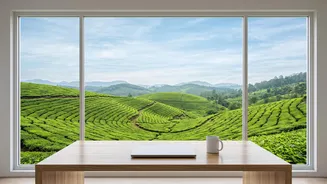
flexibility has untethered young professionals from their home cities, giving them the freedom to work from anywhere with a stable internet connection. Instead of being confined to a home office, 'anywhere' can now mean a homestay in the Himalayas, a beachside shack in Goa, or a quiet cottage in the coffee plantations of Coorg. This newfound location independence has empowered a generation to rethink where and how they want to live and work.
Redefining Work-Life Balance
This isn't just about a change of scenery; it's a fundamental shift in the pursuit of work-life balance. Many young professionals are actively seeking an escape from the burnout, long commutes, and high stress associated with urban life. Rather than waiting for a short, infrequent vacation, a 'workcation' allows them to integrate leisure and exploration into their daily routine. They can work their regular hours and then spend evenings and weekends hiking, exploring local cafes, or simply unwinding in nature. This approach is seen as a way to improve mental well-being, boost creativity, and achieve a healthier, more sustainable lifestyle. A survey even found that 33% of travellers now prefer working from natural settings.
Technology as the Great Enabler
None of this would be possible without significant improvements in technology and infrastructure. The expansion of high-speed fibre-optic broadband and reliable 4G/5G networks into smaller towns and remote areas has been a game-changer. Destinations that were once considered 'off-grid' are now viable workplaces. The proliferation of collaboration tools like Slack and Zoom, coupled with powerful and portable laptops, means that teams can stay connected and productive regardless of their physical location. As a result, the primary requirement for a modern office is no longer a specific building, but a dependable Wi-Fi connection.
The Surprising Economics of a Workcation
Contrary to what one might expect, taking a long work-trip can often be more economical than living in a major metropolitan city or taking a traditional, short vacation. The cost of living in many mountain towns or coastal villages is significantly lower than in cities like Mumbai or Bengaluru. By opting for longer stays of several weeks or months, professionals can secure better deals on homestays, hostels, and guesthouses. Many of these accommodations now offer monthly packages specifically designed for remote workers. This model avoids the high costs of peak-season flights and hotels associated with short holidays, making extended travel a financially viable option for many.
India's Emerging Workcation Hotspots
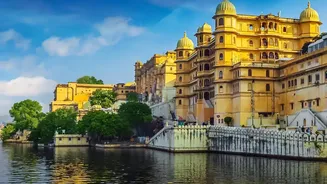
As the trend grows, a clear map of workcation-friendly destinations across India is emerging. The mountains of Himachal Pradesh (like Bir, Manali) and Uttarakhand (like Rishikesh, Bhimtal) are popular for their cool climate and serene atmosphere. The beaches of Goa and Kerala (like Varkala) offer a relaxed, coastal vibe with a growing number of coworking cafes. Other destinations gaining traction include the cultural hubs of Udaipur and Fort Kochi, the coffee estates of Coorg, and even offbeat locations like Ziro in Arunachal Pradesh. These places are adapting quickly, with local cafes and homestays upgrading their Wi-Fi and creating comfortable workspaces to cater to this new generation of working travellers.