







Saturn’s Best Night of the Year
October kicks off with a major planetary highlight. On October 4, Saturn will be at opposition, which is the best time all year to see the ringed planet. Opposition means that Earth is passing directly between Saturn and the Sun. As a result, Saturn will rise
in the east around sunset, linger in the sky all night long, and set in the west around dawn. It will be at its closest and brightest, shining like a steady, yellowish-white star. While you can spot the planet with your naked eye, even a small telescope will reveal its most famous feature: its magnificent rings. After being nearly edge-on and invisible in 2025, the rings are now tilted enough to be seen again, making this a particularly special viewing opportunity. Look for it in a relatively empty patch of sky, where it will be the most prominent point of light.
An Evening of Shooting Stars: The Draconids
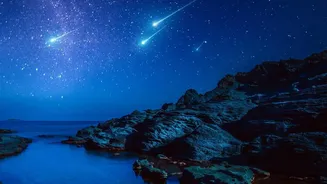
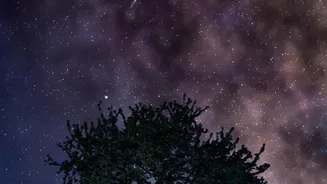
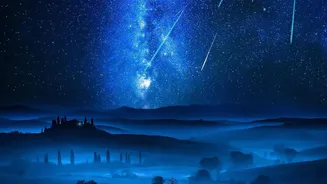
The first of two meteor showers this month is the Draconids, peaking on the evening of October 8-9. Unlike most meteor showers that are best viewed in the pre-dawn hours, the Draconids are an evening affair. The best time to watch is right after nightfall, as its radiant point in the constellation Draco is highest in the sky. This is typically a minor shower, producing about 5 to 10 slow-moving meteors per hour. However, the good news for 2026 is that the peak occurs with no interfering moonlight, as the new moon is on October 10. This means even faint meteors will be visible. The Draconids are also famously unpredictable and have produced surprising outbursts in the past, so it's always worth taking a look.
Halley’s Comet Legacy: The Orionids
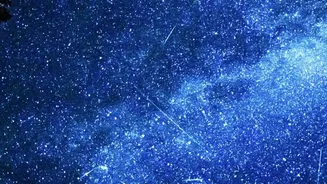
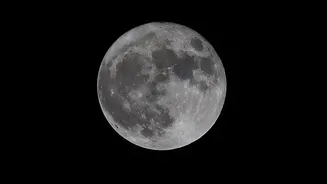
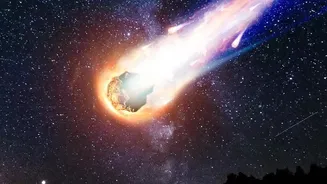
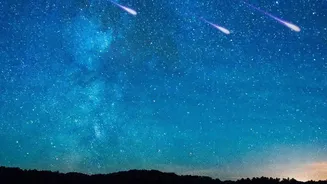
The main event for meteor lovers this month is the Orionid meteor shower, which will peak on the night of October 21-22. These meteors are fragments of dust left behind by the famous Halley's Comet. The Orionids are known for being fast and bright, and at their peak, you could see up to 20 meteors per hour under ideal conditions. While a bright waxing gibbous moon will be present in the evening, it is expected to set after midnight. This creates a perfect window of dark skies in the pre-dawn hours, which is the best time to watch. To see the show, find a location away from city lights, lie back, and let your eyes adjust to the darkness for about 20-30 minutes. The meteors will appear to radiate from the constellation Orion, but they can streak across any part of the sky.
Your Skywatching Game Plan
No special equipment is needed for the meteor showers, just your eyes and a bit of patience. For the best experience, head to a location with minimal light pollution, like the outskirts of your city or a rural area. Places near Pune like Velhe and Panshet, or other designated dark-sky spots across India, are ideal. Dress warmly, bring a blanket or a comfortable chair, and give yourself at least an hour of viewing time. The post-monsoon period in October often brings clear skies across much of India, making it one of the best months for stargazing. For Saturn, binoculars will show it as a small oval, but a telescope is required to truly appreciate its rings. Many local astronomy clubs host viewing events during opposition, which can be a great way to get a closer look.