




The Ancient Wisdom in a Humble Drink
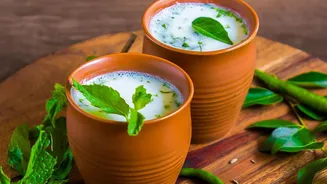
Long before 'probiotic' became a wellness buzzword, Indian households practised the art of fermentation as a simple act of preservation and nourishment. At the heart of this tradition are humble rice-based beverages, known by various names across the country:
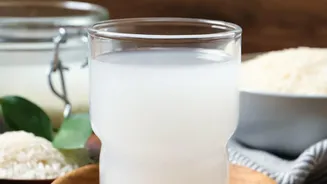
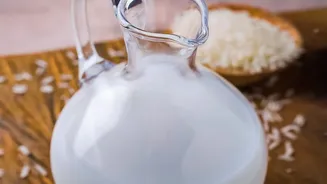
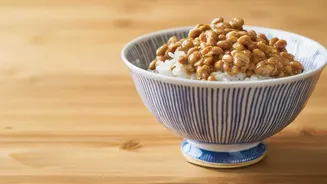
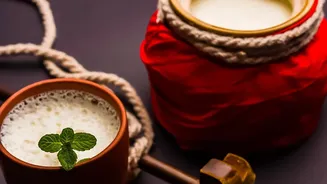
Kanji, Neeragaram, Pazhaya Sadam, or Panta Bhat. These drinks are typically made by soaking leftover cooked rice in water overnight, allowing it to ferment naturally. Often served with a pinch of salt, some curd, or a simple tempering of mustard seeds and curry leaves, this practice transforms a simple staple into a gut-healing elixir that was once the secret behind the sustained energy of farmers and a trusted remedy for an upset stomach. Today, as science begins to validate this ancestral wisdom, these drinks are being rediscovered as a powerful tool for modern health.
The Science of Fermentation
The magic of these rice beverages lies in the fermentation process. When cooked rice is left to soak overnight, it becomes a breeding ground for beneficial microorganisms, primarily lactic acid bacteria (LAB) like Lactobacillus. These are the same types of 'good bacteria' found in commercial probiotic supplements. This process does more than just add probiotics; it fundamentally transforms the nutritional profile of the rice. Fermentation helps break down complex carbohydrates, making the drink easier to digest. It also reduces 'anti-nutrients' like phytic acid, which can block the absorption of minerals. This means your body can more effectively access essential nutrients like iron, zinc, and B vitamins from the food. The resulting liquid is not just a probiotic but also a 'postbiotic'—rich in beneficial byproducts like organic acids that help maintain a healthy pH in the gut, further supporting a balanced microbiome.
An Antidote for the Urban Gut
The modern urban Indian lifestyle presents a unique set of challenges to our digestive health. High stress levels, irregular meal times, a diet heavy in processed foods, and the overuse of antibiotics can disrupt our delicate gut microbiome. This imbalance is linked to a rise in issues like chronic constipation, bloating, Irritable Bowel Syndrome (IBS), and general inflammation. Traditional fermented rice drinks offer a natural countermeasure. Their probiotic content helps replenish the good bacteria, while their anti-inflammatory properties can soothe an irritated gut lining. Being a natural coolant, these drinks are also excellent for easing acidity and preventing stomach ulcers, making them particularly beneficial in warmer climates.
More Than Just a Gut Feeling
The benefits of incorporating these fermented beverages extend beyond digestion. The fermentation process significantly boosts the content of B vitamins, including B12, which are crucial for energy production. This provides a steady release of energy without the crash associated with sugary drinks. Furthermore, these drinks are packed with antioxidants that combat oxidative stress throughout the body. This systemic benefit is even linked to better skin and hair health, as fermented rice water is known to promote collagen production. As a naturally hydrating and electrolyte-rich drink, it's a far healthier alternative to packaged juices and sodas for replenishing fluids.
Making It a Modern Habit
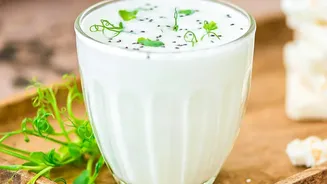
Adopting this tradition doesn't require a drastic lifestyle overhaul. It's as simple as saving a portion of your leftover rice from dinner. Place the cooked rice in a clay or glass pot, cover it with water, and let it sit on your counter overnight for 8-12 hours. The next morning, you can mash the rice lightly, add salt, and perhaps some buttermilk or curd for extra flavour and probiotic power. Enjoy it as a refreshing first meal of the day or a mid-day drink. It’s a cost-effective, zero-waste approach to wellness that connects you to a rich culinary heritage while providing tangible health benefits that are perfectly suited for the demands of contemporary life.