





The Post-Monsoon Reset
For months, your plants have endured the challenges of the Indian monsoon: low light, high humidity, and the constant threat of waterlogged soil. This often leads to fungal issues, root rot, and lanky, weak growth. Now, with drier air and clearer skies
emerging, September provides a milder, more stable environment. This seasonal shift is your cue to perform a much-needed 'health check' on every plant, addressing problems that festered in the damp conditions and preparing them for a new phase of growth. Think of it as a seasonal reset that helps your plants recover and thrive.
Adjust Your Watering Schedule
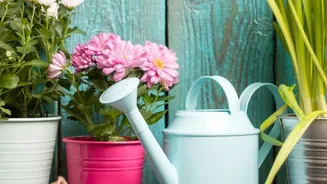
The number one killer of indoor and balcony plants is overwatering, a risk that's especially high as the monsoon ends. During the rains, you may have watered less frequently, but now the soil will begin to dry out differently. However, don't rush to drench your pots. The air is still relatively humid, and temperatures are moderate. Before watering, always check the top inch or two of the soil with your finger. If it feels damp, wait another day or two. Getting into this habit prevents root suffocation and is the single most important adjustment you can make in September.
Prune, Clean, and Encourage Airflow
Monsoon humidity is a breeding ground for pests and fungal diseases. Your first task is a thorough clean-up. Snip away any yellowed, blackened, or mouldy leaves with clean scissors to stop the spread of potential infections. Remove any dead leaves or debris from the soil surface. This is also the ideal time to prune plants that have become leggy or overgrown, which encourages bushier, healthier new growth. Finally, ensure there is good air circulation around your plants; grouping them too tightly can trap damp air and invite problems.
The Ideal Window for Repotting
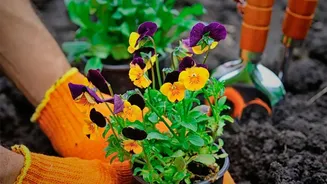
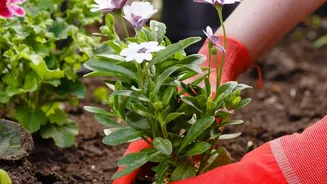
If you've noticed your plants drying out too quickly or have roots peeking out of the drainage holes, it’s time to repot. September is an excellent month for this task in India. The extreme heat of summer has passed, and the torrential rain has subsided, giving plants a less stressful environment to recover from the shock of being moved. When repotting, choose a container that is just one size larger and has ample drainage holes. Gently loosen the old, compacted soil from the roots before placing the plant in a fresh, well-draining potting mix. This gives the roots new space and nutrients to support future growth.
Address Pests and Check Your Soil
The dampness of the monsoon often invites unwanted guests like fungus gnats and mealybugs. Now is the time for a careful inspection. Check under leaves and near the stems for any signs of pests. A simple solution of neem oil mixed with a drop of liquid soap and water, sprayed weekly, can act as a great preventative measure. It's also a good time to aerate the soil. After months of rain, the topsoil in pots can become compacted, starving the roots of oxygen. Gently loosen the top layer with a small fork or stick, being careful not to damage the roots. This simple step can dramatically improve soil health.
Resume Gentle Feeding
Fertilizing is generally discouraged during the peak monsoon as heavy rains can wash nutrients away and stress waterlogged roots. As September rolls in, your plants will be entering a new growth phase and will appreciate a nutritional boost. Start by replenishing the soil with a layer of organic compost or well-rotted manure. You can also reintroduce a balanced liquid fertilizer, but start with a diluted, half-strength solution every few weeks. This gentle approach avoids shocking the plant's system while providing the necessary fuel for the coming season.