






Ancient Remedies, Modern Buzz
Using rice water and fenugreek for hair is far from a new discovery. For centuries, women in China, Japan, and Southeast Asia have used rice water as a traditional beauty treatment. The women of Huangluo, China, are even in the Guinness Book of World
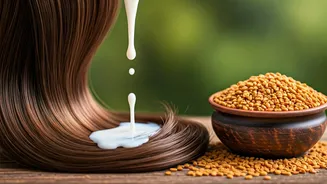
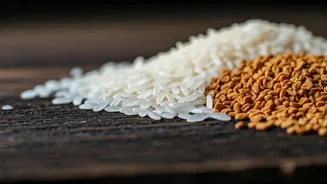
Records as the “World’s Longest Haired Village,” and they credit rice water for their floor-length tresses that often retain their colour well into their 80s. Similarly, fenugreek has been a staple in Ayurvedic and Indian home remedies for generations, prized for its ability to strengthen hair and soothe the scalp. The recent surge in popularity is a rediscovery of this age-old wisdom, amplified by a modern desire for natural, accessible, and effective haircare solutions.
The Power of Rice Water
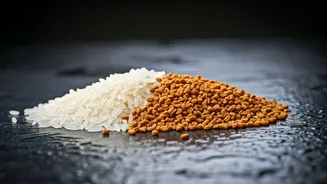
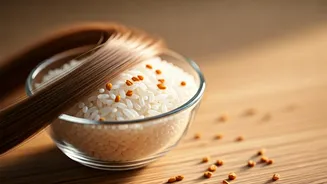
The cloudy liquid left over after soaking or boiling rice is packed with nutrients. It’s rich in starch, amino acids, B vitamins, vitamin E, and minerals like magnesium and zinc. A key component is inositol, a carbohydrate that can penetrate damaged hair and remain within the shaft even after rinsing, helping to repair strands and improve elasticity. While robust scientific proof for hair growth is still developing, anecdotal evidence and some studies suggest it reduces surface friction, making hair smoother, shinier, and less prone to breakage. The proteins in rice water can also help fortify the hair, although this means people with low-porosity or protein-sensitive hair should use it in moderation.
How to Make and Use Rice Water
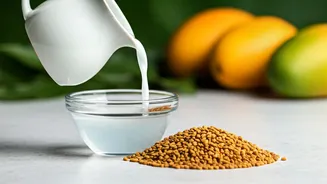
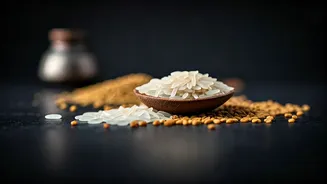
Making rice water is simple. The quickest method is soaking: rinse half a cup of uncooked rice, then soak it in two to three cups of water for at least 30 minutes. Strain the liquid, and it's ready to use. For a more potent version, try fermenting it. After soaking, let the water stand at room temperature for up to 48 hours before straining. Fermentation can lower the pH of the water to better match your hair's natural pH and may increase the concentration of antioxidants. To use it, first shampoo and rinse your hair. Then, pour the rice water over your hair, massaging it into your scalp and strands. Let it sit for up to 20 minutes before rinsing thoroughly with warm water. Always follow up with a conditioner.
Fenugreek: The Seed of Strength
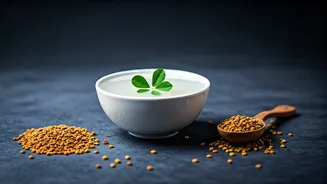
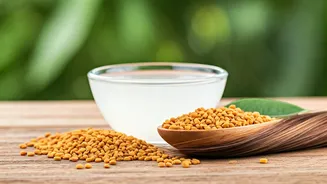
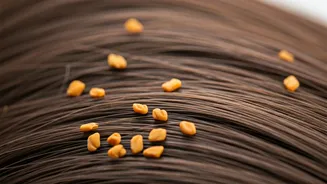
Fenugreek, or methi, seeds are a powerhouse of nutrients essential for hair health. They are a rich source of iron and protein, two of the most critical nutrients for hair growth. They also contain nicotinic acid, lecithin, and plant compounds like flavonoids and saponins, which are believed to possess anti-inflammatory and antifungal properties. These components may help combat scalp issues like dandruff and irritation, while also strengthening hair from the roots. Some believe fenugreek may help slow down the action of DHT (dihydrotestosterone), a hormone linked to hair loss. The natural mucilage in soaked fenugreek seeds also acts as a fantastic conditioner, leaving hair soft, shiny, and less frizzy.
A Simple Fenugreek Hair Mask
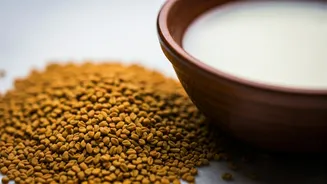
Creating a nourishing fenugreek mask is straightforward. Soak two to three tablespoons of fenugreek seeds in water overnight. In the morning, grind the soaked seeds into a smooth, fine paste, adding a little water if needed. For extra conditioning, you can mix this paste with a few tablespoons of plain yogurt or a tablespoon of coconut oil. Apply the mask thoroughly to your scalp and hair, from roots to ends. Let it sit for 30 to 45 minutes before rinsing it out with lukewarm water and a mild shampoo.
A Word of Caution
While these natural ingredients are generally safe, it's wise to be cautious. Both rice water and fenugreek can be potent. Overusing rice water, especially on low-porosity hair, can lead to protein overload, making strands stiff and brittle. It’s best to start by using it once a week. Some find the smell of fermented rice water pungent, though adding a few drops of an essential oil like rosemary can help. With fenugreek, some people with sensitive scalps may experience irritation. As with any new product, performing a patch test before a full application is always recommended to rule out any adverse reactions.