





Why Your Landlord's Lighting Is Stressing You Out
Most rental spaces come equipped with a single, harsh overhead light fixture in the center of the room. This 'interrogation chic' approach to lighting does more than just look uninviting; it can actively contribute to mental and physical strain. Harsh,
poorly placed light creates glare and deep shadows, forcing your eyes to work harder and leading to headaches, fatigue, and difficulty concentrating. Furthermore, the quality of light affects our internal clock, or circadian rhythm. Exposure to bright, cool-toned artificial light, especially in the evening, can disrupt sleep patterns and increase stress hormone levels. In a small space where you live and work, being subjected to this kind of lighting all day can create a persistent, low-grade sense of discomfort and agitation.
Embrace Soft Minimalism: Less Is More
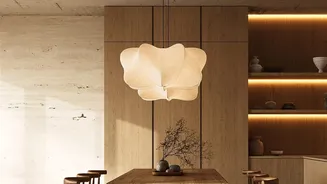
Soft minimalist lighting isn't about living in the dark; it's about intentionality. The goal is to remove visual clutter and use light with a clear purpose. Instead of one overpowering source, this approach uses multiple, softer light sources to create a calm, balanced, and functional environment. The 'soft' aspect refers to the quality of the light itself: diffused, warm, and gentle on the eyes. Think of the cozy glow of a coffee shop, not the sterile brightness of a supermarket. For renters, this means moving away from a reliance on the single overhead fixture and building a more flexible system with lamps and other non-permanent solutions.
The Renter's Golden Rule: Layer Your Light
The single most effective strategy is layered lighting. This professional design technique involves combining three types of light to create depth, flexibility, and ambiance. In a small rental, this is your key to making the space feel larger and more comfortable. The layers are: Ambient light, the overall illumination for the room; Task light, focused light for specific activities like working or reading; and Accent light, which adds visual interest. Relying on just one of these, especially a single ambient source, makes a room feel flat and confined. By layering, you can adjust the mood of your multi-purpose space throughout the day.
Build Your Base: Renter-Friendly Ambient Light
Your first step is to create a soft, general glow that makes the room feel welcoming. Since you can't install new ceiling fixtures, floor lamps are your best friend. Place a tall floor lamp in a corner to bounce light off the walls and ceiling, which makes the room feel bigger. Opt for lamps with fabric shades that diffuse the light, preventing harsh glare. Using warm-toned LED bulbs (around 2700K-3000K) will create a cozier, more relaxing atmosphere than the cool blue tones often found in office lighting. If you must use the overhead fixture, install a dimmer if possible, or swap the bare bulb for one with a warmer temperature.
Focus Your Energy: Smart Task Lighting
When you're working, your eyes need focused light to prevent strain. A dedicated task lamp is non-negotiable for a WFH setup. Choose an adjustable desk lamp that allows you to direct light exactly where you need it, whether on your keyboard or a notebook. This prevents you from having to flood the entire room with bright light just to see your work. For even more control, consider smart bulbs. These allow you to change both the brightness and the color temperature. You can use a cooler, more energizing light during work hours and then shift to a warmer, softer tone to wind down in the evening, all from the same lamp.
Add Depth and Personality: Easy Accent Lighting
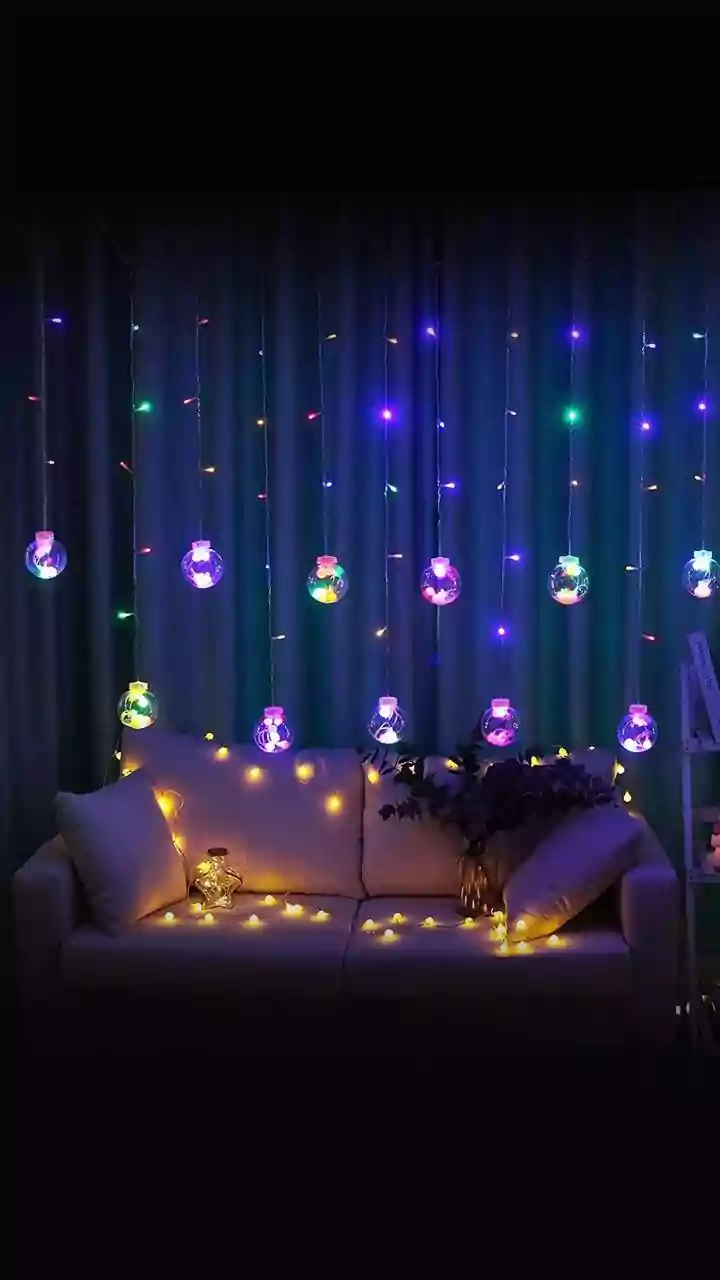
Accent lighting is the final layer that makes a space feel intentional and complete. These are smaller, subtle lights that draw attention to features you like. The best part is that many options are perfect for renters. Plug-in wall sconces can flank a sofa or bed, adding a sophisticated, built-in look without any drilling. Small, battery-powered picture lights can highlight artwork. You can even use adhesive LED strips behind a monitor or under a shelf to create a soft, indirect glow that reduces eye strain caused by screen contrast. These small touches eliminate dark corners, which helps a compact space feel more open and thoughtfully designed.