

The Magic of the Main Line
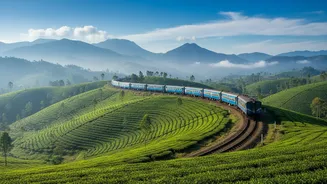
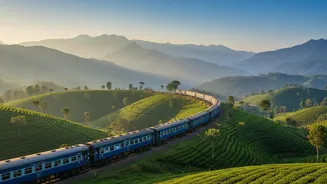
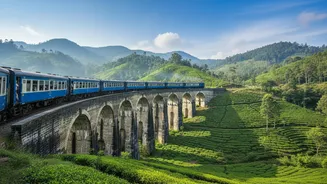
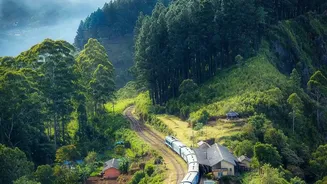
Often hailed as one of the world's most scenic train rides, this journey is a slow-motion spectacle through the heart of Sri Lanka's hill country. Built by the British in the 19th century to transport tea from the highlands to Colombo, the railway is a marvel
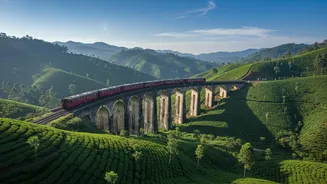
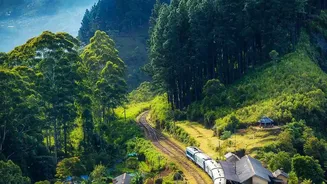
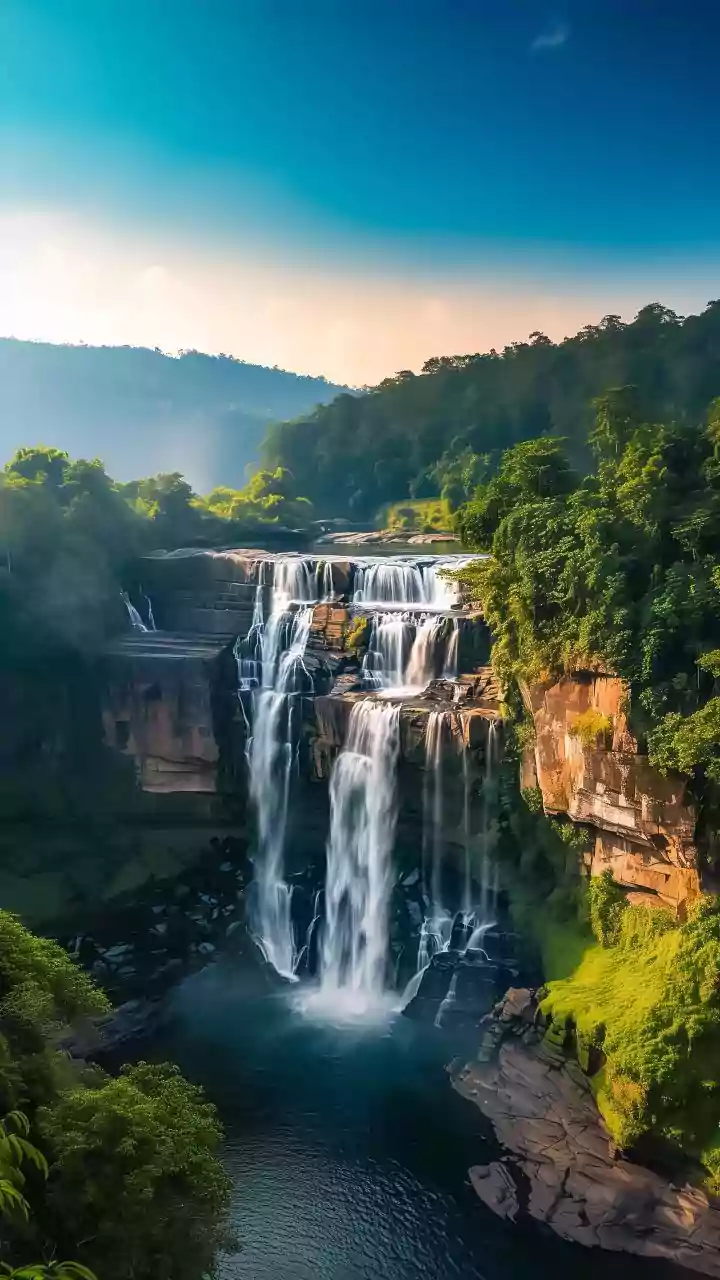
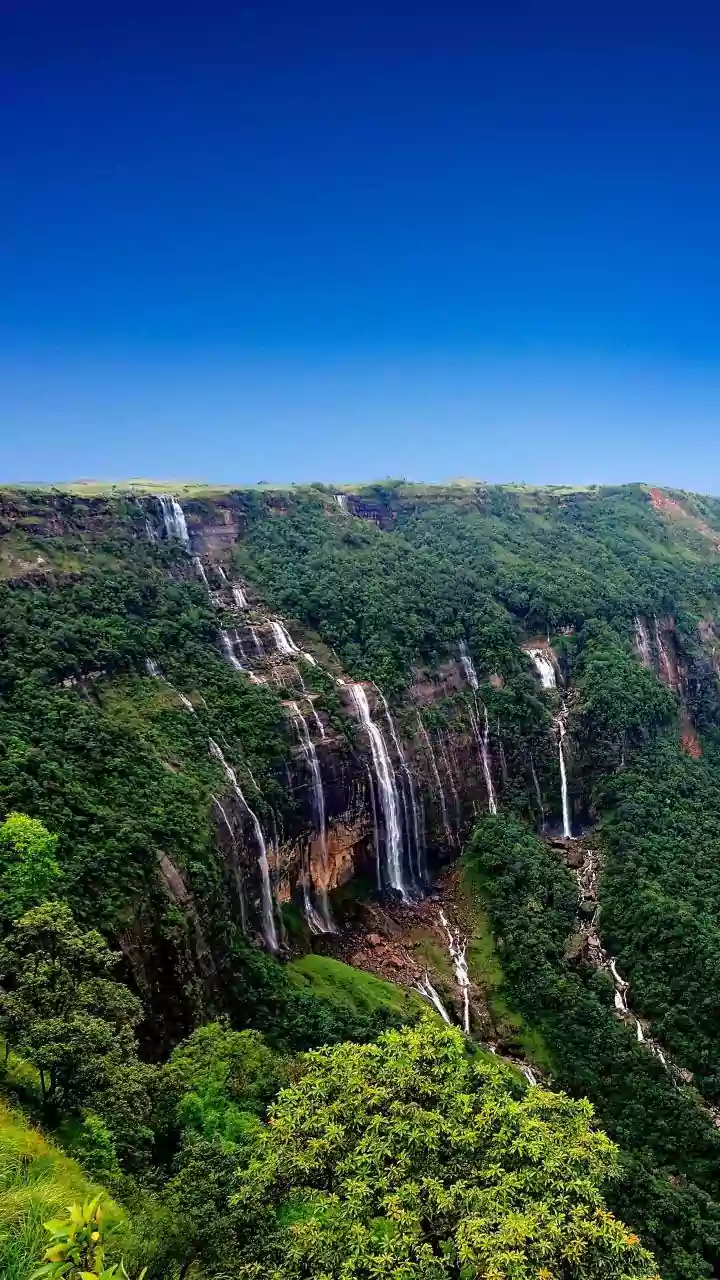
of engineering, with tracks carved into mountainsides and viaducts spanning deep valleys. For travelers, especially those from India, the appeal is multilayered. It offers the thrill of international travel with the comfort of cultural familiarity. The seven-hour journey is an escape into a landscape of rolling tea plantations, cascading waterfalls, and misty mountains, offering a glimpse into a side of Sri Lanka that feels a world away from its bustling cities and sunny coasts.
Navigating the Ticket Scramble
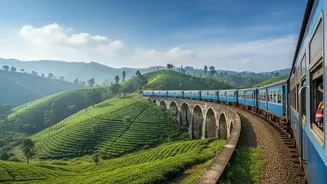
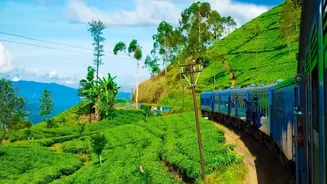
Securing a ticket for the Kandy to Ella train can be part of the adventure itself. Due to its immense popularity, seats sell out weeks, sometimes even a month, in advance. While you can try your luck buying unreserved tickets at the station on the day of travel, this often means standing for much of the seven-hour trip. For a guaranteed seat, booking ahead is essential. Third-party websites are a popular option for international travelers, though they come at a higher price. The classes can be confusing: First Class offers air conditioning but often has sealed windows, limiting the immersive experience. Many seasoned travelers recommend Second or Third Class reserved seats. These offer the perfect balance of comfort with open windows and doors, allowing you to feel the breeze and capture those classic photos hanging safely out of the carriage.
Choosing Your View
A crucial piece of advice passed among travelers is about which side of the train to sit on. When traveling from Kandy to Ella, the views from the right-hand side are significantly more spectacular for the first leg of the journey, offering sweeping panoramas of the tea estates. The left side mainly features cliff faces and foliage. After the stop at Nanu Oya, the station for the popular town of Nuwara Eliya, the scenery becomes more evenly distributed, but that initial stretch makes a right-side seat highly coveted. Don't be shy about moving around the carriage to find different vantage points, especially near the open doorways where locals and tourists alike gather to watch the world go by.
From Royal City to Mountain Haven
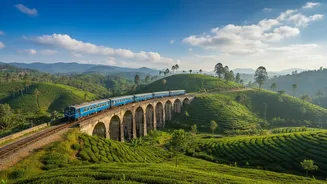
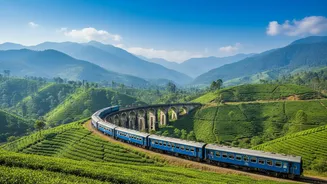
The journey begins in Kandy, Sri Lanka's cultural capital and home to the sacred Temple of the Tooth. As the train pulls away from the station, the urban landscape gradually gives way to lush greenery. The most breathtaking scenery unfolds between Hatton and Nanu Oya, where the train climbs into the heart of tea country. Here, the landscape is a vibrant tapestry of manicured tea bushes, dotted with the colorful saris of tea pickers. The final approach to Ella is perhaps the most famous, culminating in the crossing of the magnificent Nine Arch Bridge. Built during the British colonial era, this architectural marvel is a highlight for many, and the train often slows as it traverses the bridge, allowing passengers to soak in the moment and wave to onlookers below.
Tips for the Indian Voyager
For Indian tourists, Sri Lanka is an incredibly accessible destination. Short flight times from major cities like Chennai and Mumbai, coupled with a visa-on-arrival facility, make it an easy choice for a quick international getaway. The affordability is another major draw; the Indian Rupee often stretches further in Sri Lanka, making everything from food to accommodation feel like a great value. While on the train, you'll find familiar comforts. Vendors hop on and off selling 'vade' (crispy lentil fritters) and sweet chai, reminiscent of train journeys back home. This blend of the familiar and the exotic is what makes the Kandy to Ella trip particularly special for Indian travelers—it’s an adventure that feels both thrillingly new and warmly welcoming.