



The Magic of a Classic Pair
Cumin and tamarind are a foundational flavour combination in Indian cuisine for a reason. Cumin, or 'jeera', provides a warm, earthy, and slightly smoky base note. Tamarind, a sour fruit, delivers a unique sweet-and-sour tang that cuts through richness
and brightens a dish. Together, they create a perfect balance. The warmth of cumin grounds the zesty punch of tamarind, resulting in a complex, layered flavour that makes dishes like curries, dals, and chutneys so satisfying. Interestingly, they share a surprising number of flavour molecules, which helps explain their natural harmony.
Mastering Whole Cumin Seeds
To get the most out of whole cumin seeds, you must introduce them to heat. This unlocks their essential oils, which are fat-soluble, meaning they won't release their full potential in water alone. There are two key techniques. The first is dry-toasting: place the seeds in a dry pan over medium heat and stir until they darken slightly and become intensely fragrant, usually in under a minute. This nutty, toasted flavour is perfect for grinding into spice blends or sprinkling over finished dishes. The second, and perhaps most crucial technique in Indian cooking, is tempering, or 'tadka'. This involves sizzling the whole seeds in hot oil or ghee for about 30-60 seconds until they crackle. This infuses the fat with flavour, which then carries throughout the entire dish.
Taming the Tangy Tamarind Block
Fresh tamarind is often sold as a compressed, sticky block of pulp, sometimes with seeds and fibres. While it might look imposing, it's simple to prepare. Start by tearing off a piece of the block. Place it in a bowl and cover it with hot or boiling water, letting it soak for at least 15-30 minutes until it softens. Once soft, use your fingers or a spoon to mash the pulp, helping it dissolve into the water. Finally, push this mixture through a fine-mesh sieve. The smooth, tangy liquid that passes through is your tamarind extract, ready for use. The fibrous material left behind can be discarded. This homemade extract has a much fresher and more nuanced flavour than many store-bought concentrates.
Bringing Them Together in a Tadka
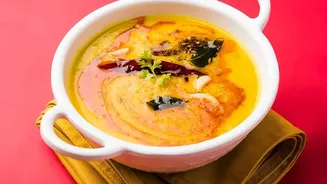
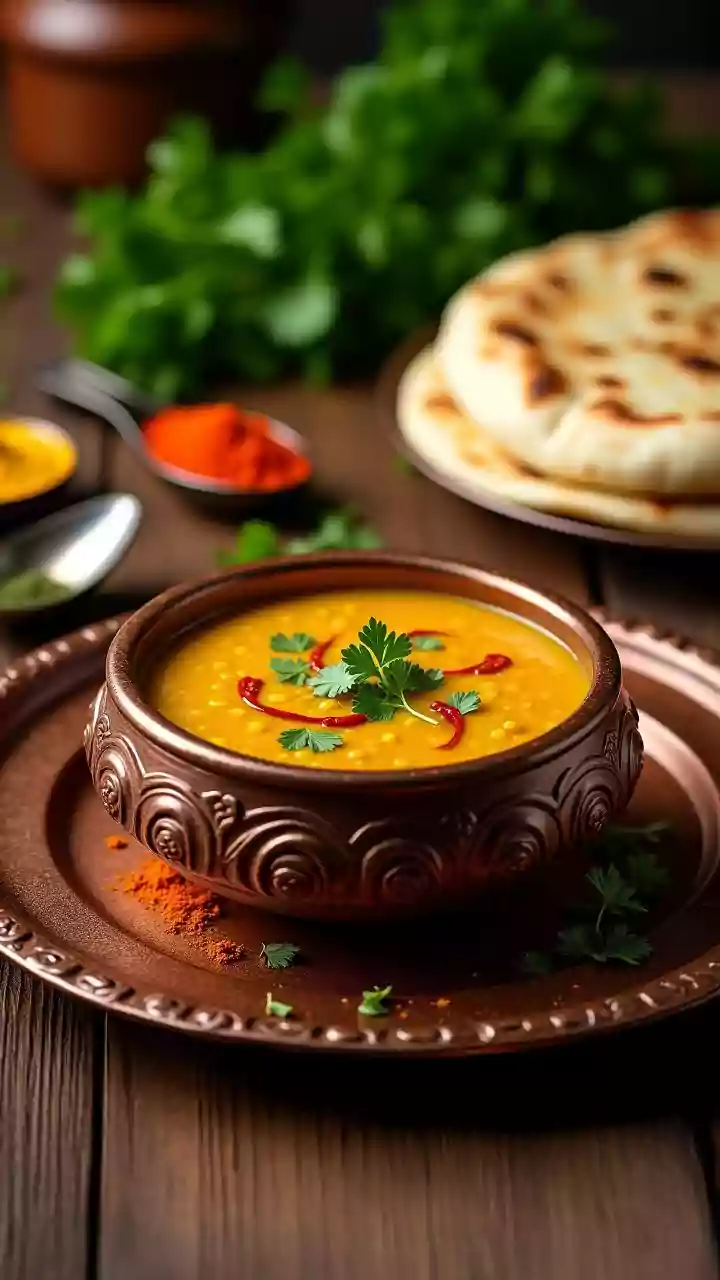
The tadka is where the magic really happens. This finishing technique can transform a simple pot of lentils (dal) or a vegetable stew from plain to extraordinary. Once your dish is cooked and contains its tamarind element, you prepare the tadka separately. Heat a tablespoon or two of ghee or neutral oil in a small pan until it shimmers. Add your whole cumin seeds and let them sizzle and pop for about 30 seconds. As soon as they are aromatic, pour the entire contents of the small pan—hot oil and all—directly over your finished dish. You'll be rewarded with a dramatic sizzle and an incredible burst of aroma as the cumin-infused oil hits the main pot.
Beyond the Basics: Marinades and Soups
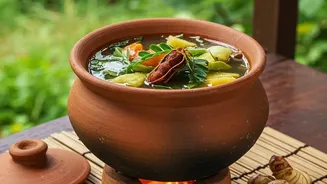
The cumin-tamarind pairing is incredibly versatile. For a flavorful marinade, combine tamarind paste with toasted and coarsely ground cumin seeds, garlic, and a touch of salt. This creates a wonderful tenderising and flavouring agent for grilled vegetables, paneer, chicken, or fish. The tartness of the tamarind works beautifully with the smokiness from the grill. This duo also shines in soups and broths. South Indian 'rasam', a thin, peppery soup, is a perfect example. It often uses a tamarind water base, which is then perfumed with a spice powder made from dry-roasted cumin seeds and black peppercorns, creating a soup that is both comforting and invigorating.