


More Than Just a Successor
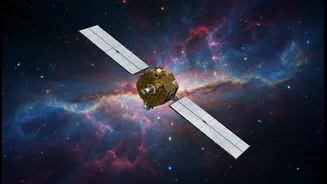
It’s easy to think of the James Webb Space Telescope as ‘Hubble 2.0,’ but that doesn’t quite capture the magic. Launched on Christmas Day 2021, the JWST is the most powerful space observatory ever built. Its primary mission is to see the universe in infrared
light. This is crucial because the most distant, and therefore earliest, galaxies have had their light stretched into the infrared spectrum by the expansion of the universe. Infrared also allows us to peer through the dense clouds of cosmic dust that hide newborn stars. While Hubble gave us iconic views in visible light, Webb uncovers a hidden universe, revealing the cradles of stars and the dawn of time itself. This ability to see the unseen is what makes its discoveries so groundbreaking.
A Universe of New Discoveries
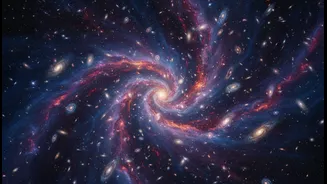
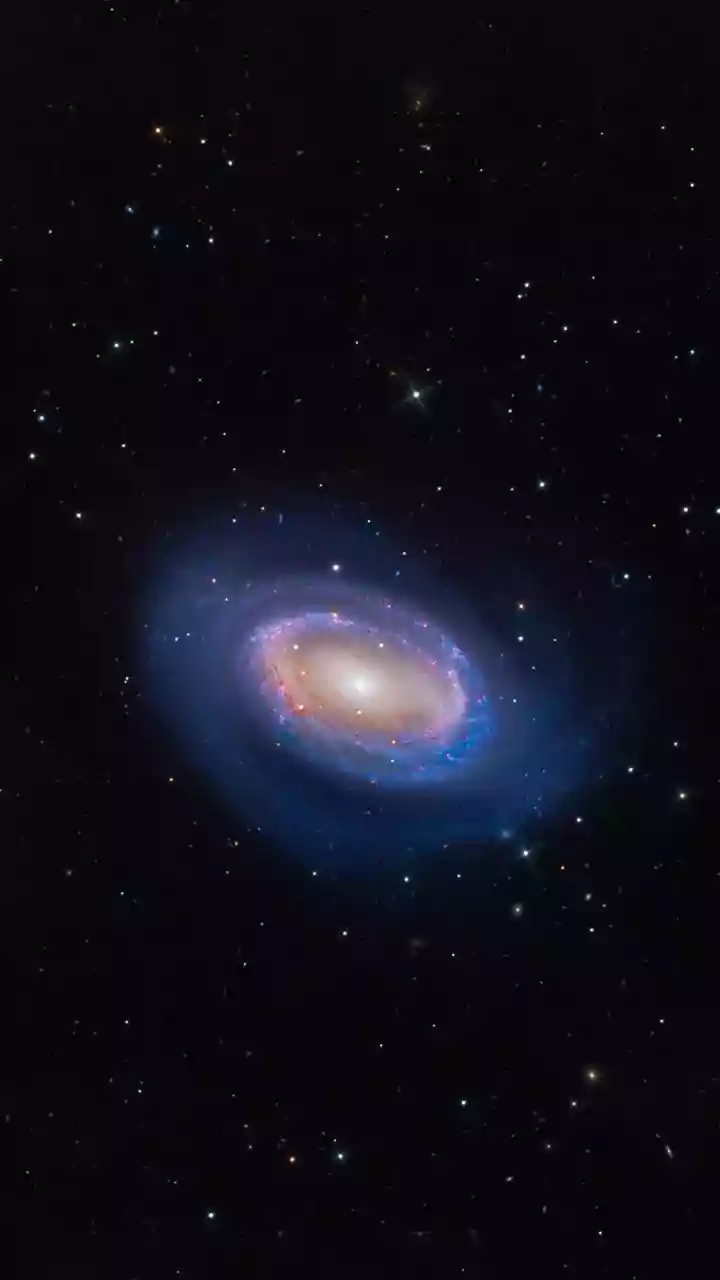
In the four years since its first images were released on July 12, 2022, the JWST has delivered a flood of scientific breakthroughs. It has captured the light from some of the earliest galaxies ever observed, forming just a few hundred million years after the Big Bang. It has provided unprecedented detail on the atmospheres of exoplanets, detecting molecules that could hint at the potential for life. To mark its fourth anniversary, NASA released a stunning new image of Centaurus A, a nearby galaxy shaped by a past collision. Webb’s infrared eyes cut through the galaxy's dust to reveal a tapestry of individual stars, helping scientists study how a supermassive black hole at its center influences the entire galaxy. These aren't just incremental updates; each discovery fundamentally changes our cosmic perspective.
From Deep Space to Your Smartphone
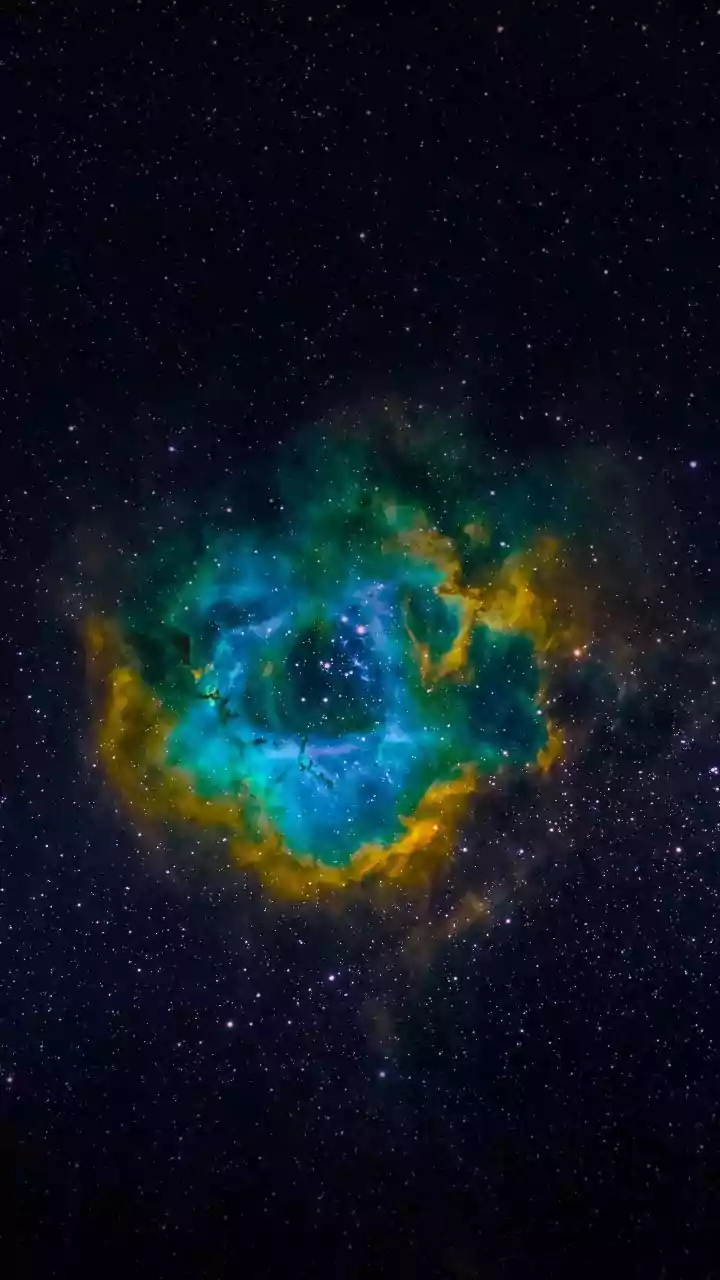
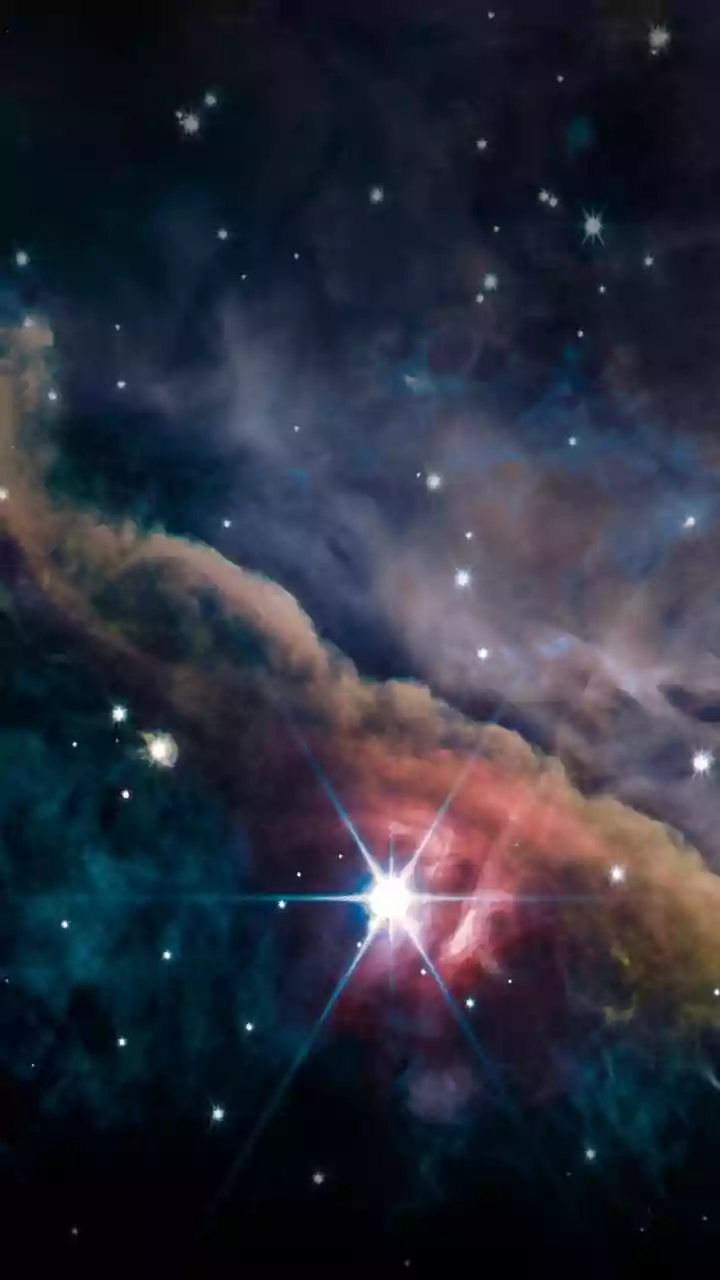
Perhaps JWST’s most unexpected triumph is its role as a social media superstar. The images of phenomena like the Pillars of Creation or the Carina Nebula are not confined to scientific journals. They are wallpapers, memes, and viral TikToks. Science communicators, educators, and amateur astronomers have embraced the telescope's public data, creating a constant stream of content that explains complex astrophysics in digestible, exciting formats. For many young people, their first encounter with a nebula or a galactic cluster isn’t in a textbook, but on their Instagram feed. This has democratized astronomy in a way never seen before, transforming passive observers into engaged fans who feel a personal connection to the cosmos.
Inspiring India's Next Generation
This wave of cosmic inspiration has a special resonance in India, a nation with its own proud and ambitious space program. Initiatives across the country, like the government's INSPIRE program and private workshops, aim to foster a scientific temperament among the youth. The viral appeal of JWST's discoveries provides a powerful, visual tool to support these efforts. When students see these incredible images from space, it doesn't just teach them about astronomy; it sparks curiosity. It serves as a global counterpart to the pride felt from ISRO’s own missions, showing that science is a collaborative, international adventure. For many students, seeing the Webb images could be the catalyst that encourages them to pursue STEM careers, potentially working on India’s own future groundbreaking missions.