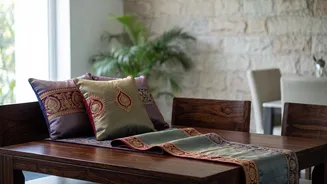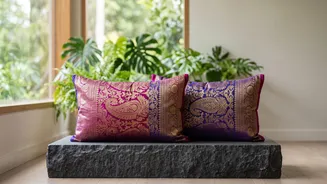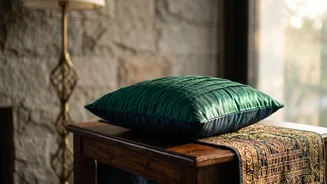

The Magic of Vintage Silk
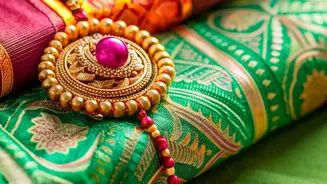
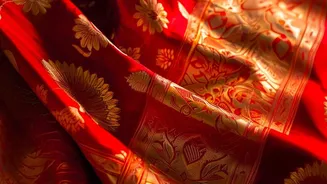
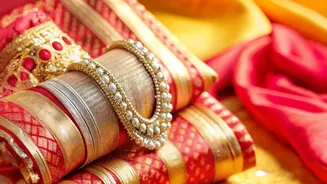
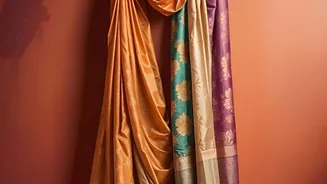
Old silk sarees, whether they are lustrous Banarasi, rich Kanjeevaram, or vibrant printed silks, possess a character that new fabric often lacks. Their time-tested durability, intricate borders (zari), and elaborate 'pallus' make them perfect candidates
for upcycling. Transforming them into home decor is not just a craft; it’s a way to keep memories alive, giving a cherished textile a place of honour in your daily life. This project is a sustainable choice that reduces waste and adds a unique, irreplaceable story to your home's aesthetic.
Preparing Your Fabric
Before you begin, it’s essential to prepare your chosen saree. Gently hand wash the fabric in cold water with a mild detergent to remove any dust or storage odours. Check the entire length for any tears, weak spots, or stubborn stains. The strongest, most intact sections are best for items like cushion covers, while even slightly delicate parts can be used for a decorative table runner. Once clean, air dry the saree away from direct sunlight and iron it on a low heat setting, preferably using a pressing cloth to protect the delicate fibres.
Designing Your Masterpieces
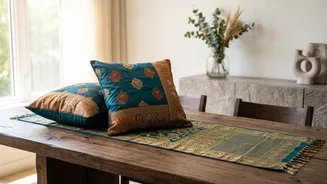
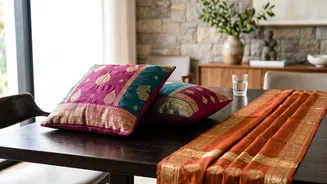
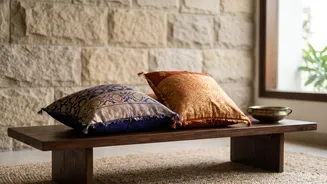
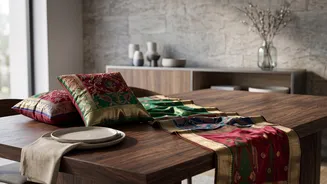
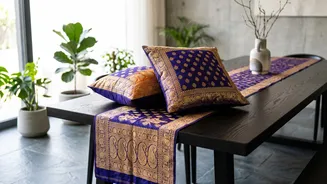
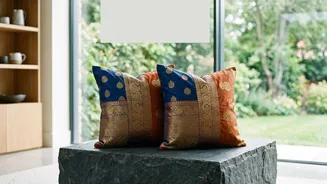
This is where your creativity shines. For cushion covers, the heavily decorated pallu can serve as the stunning front panel. Alternatively, use a beautiful border to frame a plain silk center. You can create a matching set from one saree or mix different patterns for an eclectic look. For a table runner, measure your table and cut a long strip from the saree, ensuring the decorative borders run along the length. If the silk is very fine, consider backing it with a plain cotton fabric to add weight and durability.
The Quick No-Sew Method
Not a fan of sewing? No problem. You can create beautiful decor without a single stitch. For a no-sew cushion cover, the easiest method is the 'present wrap' technique. Lay the fabric flat, place the cushion insert in the middle, and fold the fabric around it like a gift, tying the ends at the back in a neat knot. For a more permanent solution, use fusible hem tape. Simply fold your fabric to the desired size, place the tape in the seams, and press with a hot iron to bond the edges. This method works wonderfully for creating clean edges on both table runners and envelope-style cushion covers.
The Classic Sewn Finish
For a more durable and professional finish, sewing is the way to go. When working with slippery silk, it's helpful to use sharp, fine needles (size 70/10 is ideal) and to sew slowly. To prevent fraying, finish your seams with a French seam or a zigzag stitch. For cushion covers, create a simple envelope closure by overlapping two pieces of fabric on the back. For table runners, simply hem the raw edges or attach a complementary border for a polished look. If you're using a particularly vibrant pallu for a cushion, backing it with a sturdy, plain fabric can make the colours pop even more.
Finishing with Festive Flair
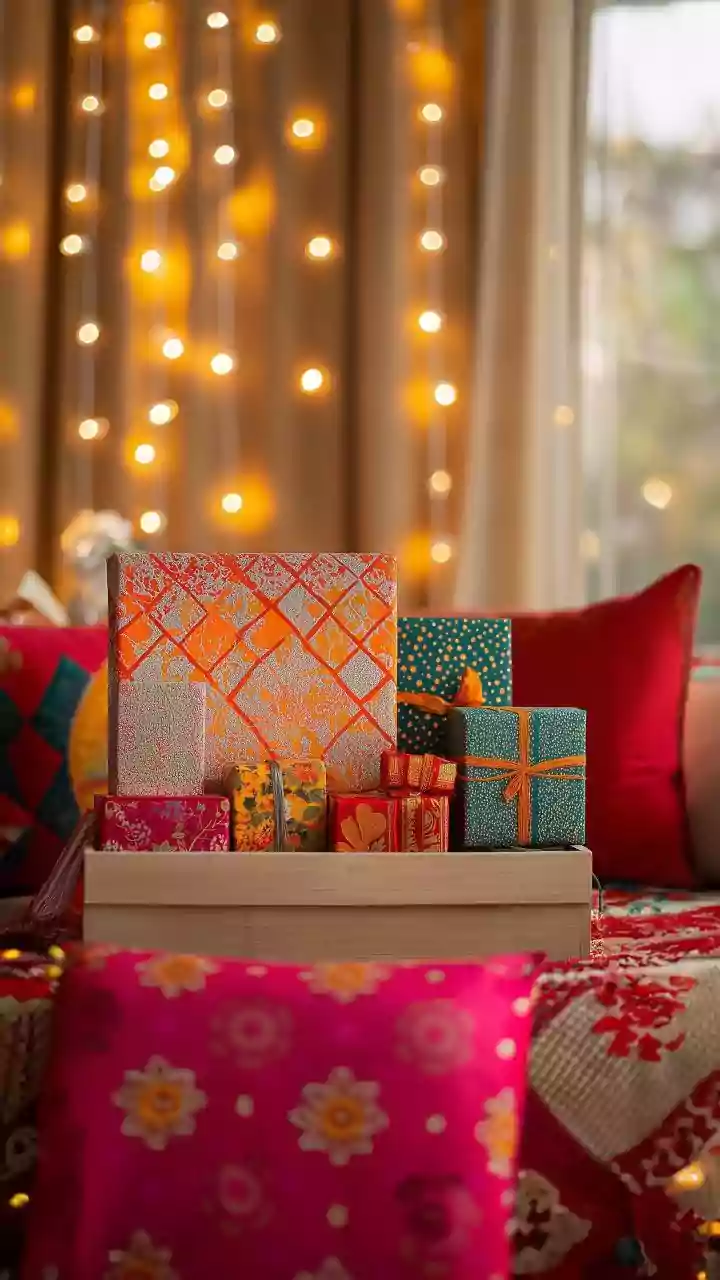
The final details can elevate your creations from beautiful to spectacular. Add ready-made or handmade tassels to the corners of your cushion covers for a playful touch. A simple fringe or a string of beads along the short ends of your table runner can add movement and festive charm. Don't be afraid to use leftover pieces of embroidered borders as appliqués on plain sections, creating a cohesive and richly textured look throughout your new festive decor collection.