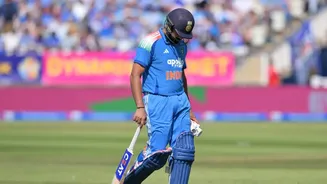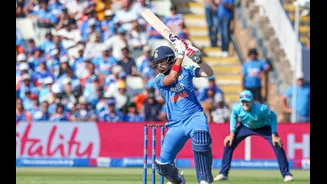


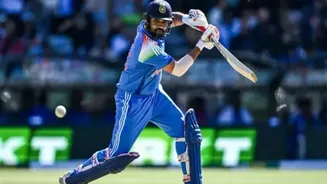



The Challenge of Filling the Void
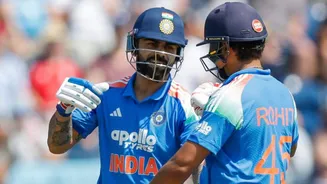
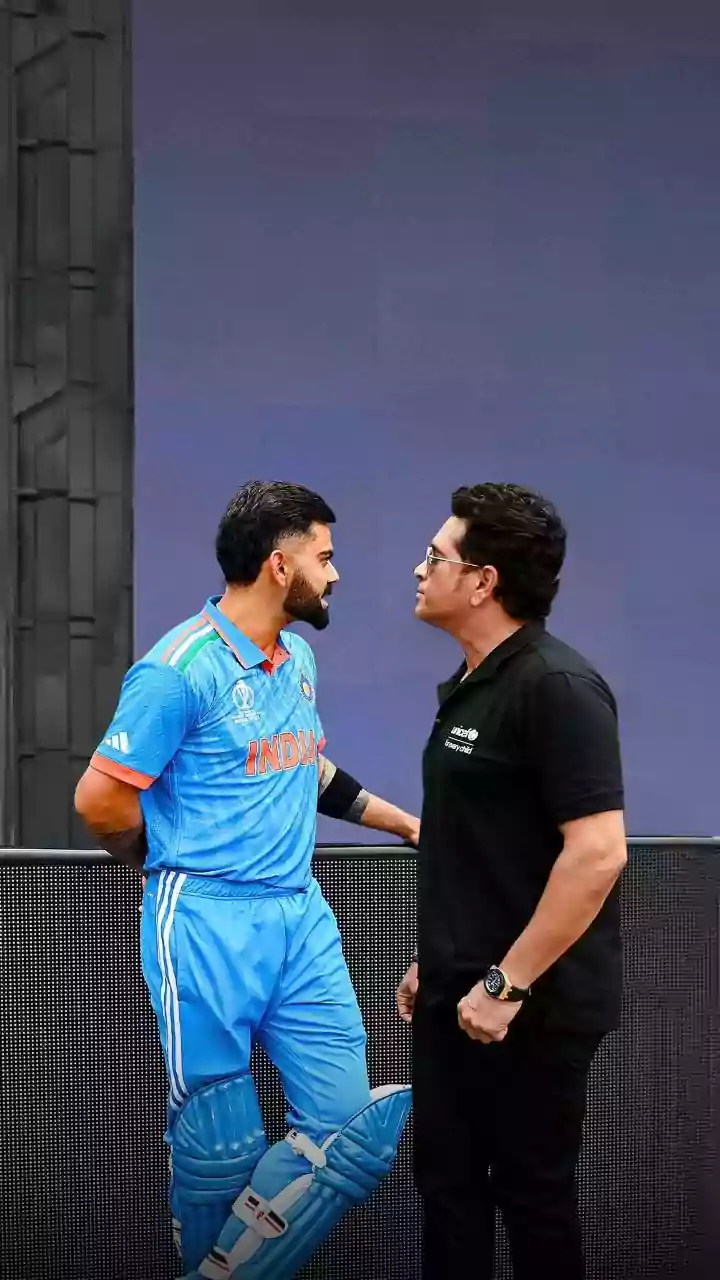
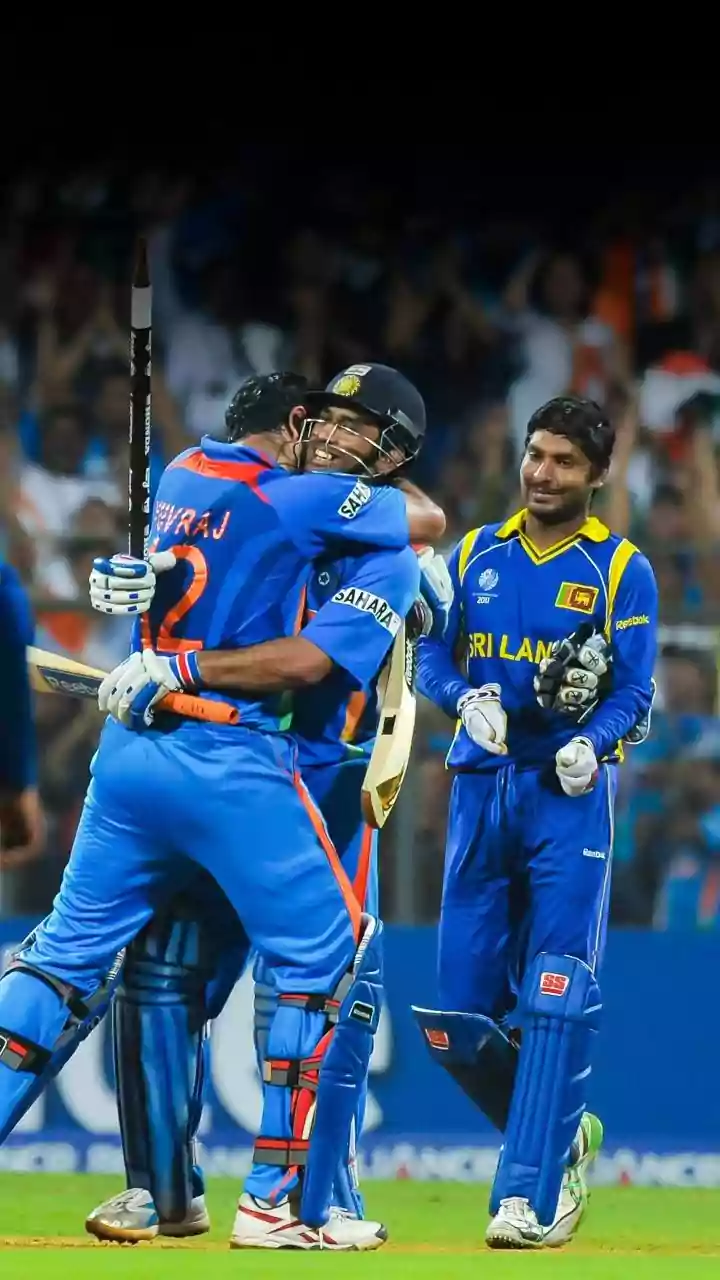
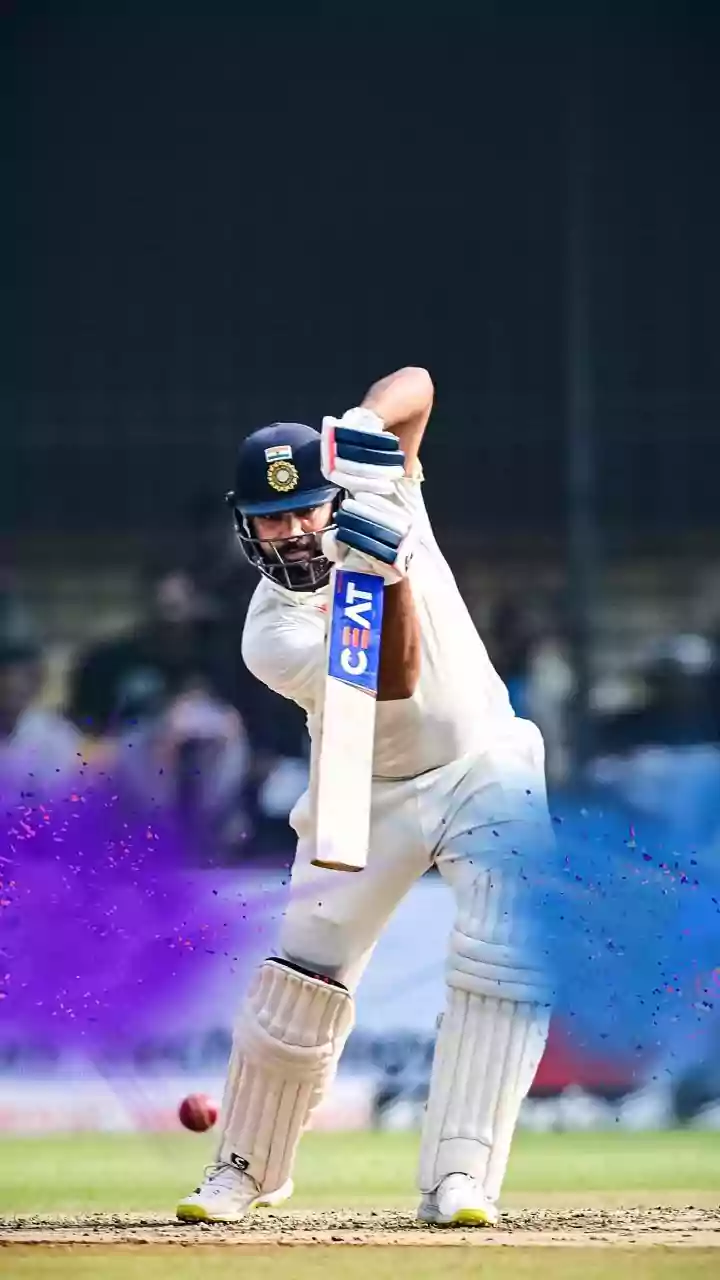
Virat Kohli is more than just a number three batsman for India; he is the engine room of the one-day side. For over a decade, he has been the master of the chase, the accumulator, and the aggressor, often all in one innings. His departure from the ODI
setup, whenever it may come, will leave a void that is not just statistical but psychological. The successor will not only need the technique to score runs but the temperament to handle the immense pressure that comes with batting at one of the most crucial positions in world cricket. It requires a player who can build an innings, control the middle overs, and accelerate when needed. Finding one player to do all of that is the great challenge facing the selectors.
Shubman Gill: The Heir Apparent
Shubman Gill has long been hailed as the next big thing in Indian batting, and by 2026, he has firmly established himself as a pillar of the team. While he has excelled as an opener, his technique and temperament make him a prime candidate to move down to the coveted number three spot. Gill possesses the classical technique to see off the new ball and the wristy strokeplay to dominate spinners in the middle overs. He is the fastest player in ODI history to reach 2000 runs, a testament to his consistency. Already serving as India's captain in the longer formats, he has the maturity and game-awareness required for the role. The main question would be whether moving him from the opening slot, where he has been so successful, is the best move for the team's overall balance.
Shreyas Iyer: The Middle-Order Specialist
Shreyas Iyer has built a career on thriving in the middle order. His game is perfectly suited to the demands of batting at number three or four. Iyer's greatest strength is his ability to play spin, often using his feet to dominate bowlers and keep the scoreboard ticking during the middle overs—a crucial aspect of Kohli's game. He has demonstrated his big-match temperament by playing a vital role in India's 2023 World Cup campaign and the victorious 2025 Champions Trophy. While he has faced scrutiny over his handling of the short ball, his overall record in ODIs is formidable. As a proven performer who understands the nuances of building an innings in the 50-over format, Iyer presents a reliable and experienced option to anchor the batting line-up.
Rajat Patidar: The Explosive Alternative
If the selectors are looking for a player to bring a different, more aggressive dimension to the number three position, Rajat Patidar is a compelling choice. Patidar's rise has been meteoric, built on the back of explosive IPL campaigns and match-winning domestic performances. His leadership of Royal Challengers Bengaluru to back-to-back IPL titles in 2025 and 2026 showcases his ability to handle pressure. Known for his high strike rate and ability to take the attack to the opposition from the outset, he offers a different style to the classic anchor role. While his international experience is less extensive, his domestic record and fearless approach make him a wildcard who could redefine the number three spot for India with his attacking prowess.
Tilak Varma: The Left-Handed Contender
The inclusion of a left-hander at number three could provide a valuable tactical advantage, and Tilak Varma is the most exciting prospect in that category. Varma combines graceful strokeplay with a calm head, and his performances for both the Mumbai Indians and India A have marked him as a future star. He brings versatility and a different angle of attack against opposition bowlers. His impressive form has been consistent, and leading the India A team to a tri-series win in 2026 highlights his growing leadership credentials. While still young, his potential is undeniable. Giving him the responsibility of the number three position would be a long-term investment, backing a player who possesses the talent to become a mainstay for years to come.