





A Nationwide Modernisation Push
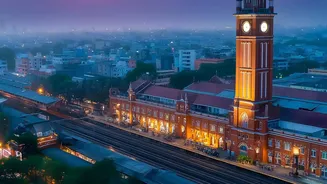
The primary driver behind this change is the Amrit Bharat Station Scheme, a large-scale initiative by Indian Railways to redevelop over 1,300 stations. The goal extends far beyond a simple facelift. The scheme aims to turn stations into integrated 'city
centres', enhancing passenger comfort, accessibility, and connectivity. This involves creating master plans for each station to add amenities based on local needs, such as improved waiting halls, free Wi-Fi, better signage, lifts, and escalators. By focusing on creating modern, passenger-centric hubs, the government is laying the groundwork for a new commercial and social ecosystem to thrive within station premises. The designs often incorporate local heritage and culture, making the renovated stations landmarks in their own right.
More Than Just Samosas and Chai
Perhaps the most visible change is the revolution in food and beverage offerings. The humble station canteen is giving way to sprawling food courts, multi-cuisine restaurants, and outlets from major national and international brands. In late 2025, Indian Railways introduced a new policy to allow premium single-brand food outlets like McDonald's and KFC to open at stations, aiming to elevate the experience to airport standards. Another popular innovation is the 'Rail Coach Restaurant', where old, unused train coaches are refurbished into unique, themed dining spaces. These have been opened at stations like Prayagraj, Guntakal, and Gorakhpur, offering a nostalgic yet comfortable dining environment for travellers and the general public alike. These initiatives not only improve the passenger experience but also generate significant non-fare revenue for the railways.
The Station as a Business Hub
Beyond leisure and dining, railway stations are emerging as practical venues for business. The Amrit Bharat Station Scheme explicitly includes provisions for 'nominated spaces for business meetings'. This has led to the development of executive lounges at major stations like New Delhi, Chennai, Ahmedabad, and Varanasi. These air-conditioned lounges offer services that cater to business travellers, including comfortable sofa seating, Wi-Fi, and refreshments, often available for a nominal hourly fee. Some stations, like Chennai Central, have gone a step further by introducing sleeping pods for travellers needing to rest between journeys. This transforms the station from a simple point of departure to a functional space where a professional can wait comfortably, send emails, or even hold a quick, informal meeting with a client from out of town.
An Urban Lifestyle Destination
The cumulative effect of these upgrades is the repositioning of the railway station as a 'third place'—a social environment separate from home and the office. The vision is for stations to become destinations in themselves, serving both passengers and the local community. The redevelopment plans integrate stations with other urban transport modes like metros and buses, making them true multi-modal hubs. Some ambitious projects, like the Ghaziabad RRTS station, are being designed with mall-like facilities, including rooftop restaurants, retail showrooms, and wellness centres. By providing a clean, safe, and engaging environment with a variety of amenities under one roof, stations are becoming convenient meeting points, dining destinations, and places for locals to shop or spend their leisure time, completely redefining their role in the urban landscape.