





The Unseen Contaminant on Your Plate
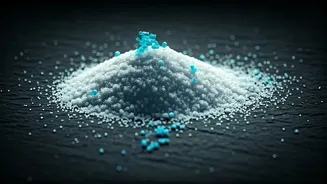
They are in the salt we sprinkle, the water we drink, and the air we breathe. Microplastics, tiny plastic particles less than five millimetres in size, have become an unavoidable part of our environment. While much attention has focused on oceans and landfills,
recent studies are highlighting a more immediate source of exposure: our own homes. Research from institutions like IIT-Madras has found that everyday household activities are significant contributors to microplastic pollution. From washing dishes to preparing meals, the modern kitchen has become an unexpected hotspot for generating and ingesting these microscopic pollutants. In response to growing concerns, the Food Safety and Standards Authority of India (FSSAI) has launched a project to investigate the extent of microplastic contamination in the Indian food supply, acknowledging the urgent need for local data.
Your Kitchen's Microplastic Hotspots
Many common kitchen items, used daily in households across India, are responsible for shedding plastic particles directly into our food. The simple act of chopping vegetables on a plastic cutting board can release a significant number of microplastics, especially if the board is heavily scratched. Non-stick cookware, often coated with plastic-based materials like PTFE, can shed particles when scratched or overheated. Even plastic utensils like spatulas and spoons can degrade when they come into contact with hot pans, releasing fragments into your meal. Another major culprit is food storage. Heating leftovers in a plastic container in the microwave can cause millions of micro- and nanoplastic particles to leach into your food. Studies have also found that single-use plastic water bottles and even some plastic-based tea bags can release a staggering number of particles when filled with water. Even kitchen sponges and scouring pads, often made of polyurethane, break down with use, contributing to the problem.
What Are the Health Risks?
The long-term impact of ingesting microplastics is a subject of intense scientific research, and the picture is concerning. While a direct causal link in humans is difficult to prove, studies in animals and human cells have associated microplastic exposure with a range of health issues. These include inflammation, a weakened immune system, and damage to cells and tissues. The particles themselves can be a problem, but so are the toxic chemicals they carry, such as BPA and phthalates, which can leach into the body. These chemicals are known endocrine disruptors, linked to hormonal imbalance, reproductive issues, and even certain types of cancer. Researchers have found microplastics in various human organs, including the blood, lungs, brain, and even in placentas, indicating that we are born 'pre-polluted'.
Practical Steps for a Safer Kitchen
While it's nearly impossible to eliminate all microplastics, you can significantly reduce your family's exposure with a few conscious changes. Start by swapping out plastic items that experience heat and friction. Replace plastic cutting boards with wood or bamboo alternatives. Opt for cookware made of stainless steel, cast iron, or ceramic instead of non-stick pans. Use wooden or metal utensils for cooking. When it comes to food storage, use glass or stainless steel containers, and never microwave food in plastic. Transfer food to a ceramic or glass plate before heating. Drinking filtered tap water from a reusable steel or glass bottle is a better choice than water from single-use plastic bottles, which have been shown to contain high levels of microplastics. Finally, consider your cleaning tools; switch to natural fibre sponges and cotton dishcloths.