
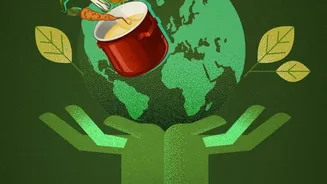
A World at a Nutritional Crossroads
The 2026 United Nations report, a collaborative effort by global health bodies, underscores a troubling paradox facing the world: the 'double burden of malnutrition'. This refers to the alarming coexistence of undernutrition, like stunting and wasting
in children, alongside a rapid rise in overnutrition, seen in soaring rates of obesity and diet-related non-communicable diseases (NCDs) like diabetes and heart disease. The report highlights that while some progress has been made in reducing absolute hunger, billions still cannot afford a healthy diet. This nutritional divide is creating a public health crisis that strains healthcare systems and limits human potential, with developing nations like India standing at the epicentre of this challenge.
India's Double Burden Dilemma
The global findings resonate deeply within India. Here, the double burden isn't just a statistic; it's a reality in millions of households. Studies show that while undernutrition remains a persistent issue, particularly in rural areas, the prevalence of overweight and obesity is increasing at a frightening pace, especially in urban centres. This shift is largely driven by a departure from traditional dietary patterns towards more processed foods that are high in salt, sugar, and unhealthy fats but low in essential nutrients. The UN report implicitly points out that our nation's economic growth has been accompanied by a nutritional transition that threatens to reverse decades of public health gains. The problem is complex, with one part of the population not getting enough calories, and another consuming too many of the wrong kind.
The Quiet Power of Dal, Roti, and Millets
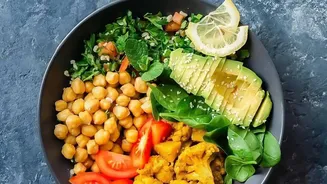
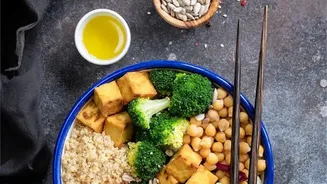
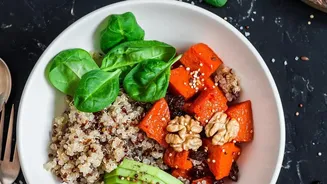
In this context, the 'case for everyday staples' becomes more than just a headline; it's a prescription for national health. The solution, the report suggests, lies not in expensive, imported 'superfoods' but in the humble, powerful ingredients that have nourished Indians for generations. Consider dal, a powerhouse of plant-based protein and dietary fibre, essential for muscle repair and digestive health. Or whole wheat roti, providing sustained energy. And then there are millets like jowar, bajra, and ragi, which the UN has previously celebrated. These ancient grains are not only packed with fibre, vitamins, and minerals but are also gluten-free and have a low glycemic index, making them ideal for managing blood sugar levels. They are the very definition of nutrient-dense food.
Beyond Nutrition: Affordability and Sustainability
The argument for returning to these staples extends beyond the plate. Economically, dals, millets, and local vegetables are far more affordable and accessible to the average Indian family than their processed counterparts. Environmentally, many of these crops, especially millets, are climate-resilient. They require less water and can grow in arid conditions, making them a crucial asset in the face of climate change, which already threatens India's food security. By championing these staples, we are not just choosing better nutrition; we are supporting the livelihoods of small farmers, promoting biodiversity, and building a more sustainable and resilient national food system.
A Return to Our Roots is a Step Forward
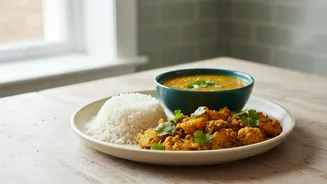
The 2026 UN Nutrition Report should not be seen as a source of despair, but as a call to action. It validates the science behind the thali and the time-tested wisdom of our grandmothers. It tells us that the path to tackling the double burden of malnutrition runs directly through our own kitchens. Embracing everyday staples like dal-rice, khichdi, and millet rotis is not a regression. It is a conscious, intelligent choice to reclaim our health, our food culture, and our agricultural heritage. It's about combining traditional knowledge with modern nutritional science to forge a healthier future for all Indians.