





The Old Rulebook: Theatrical Windows
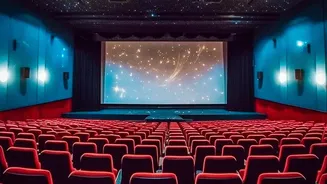
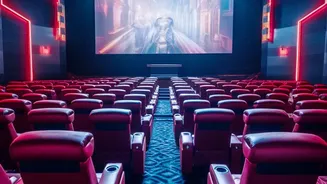
Not long ago, the life cycle of an Indian film was straightforward. It enjoyed an exclusive run in theatres for a minimum of eight weeks before it could be sold to satellite channels or, more recently, streaming platforms. This "theatrical window" was a golden
rule designed to protect the cinema hall business, ensuring that the big-screen experience remained the primary, premium way to watch a new movie. Theatre owners argued this exclusivity was vital to drive footfall, especially after the initial weekend buzz. For producers, it meant a staggered revenue stream, with the box office being the first and most crucial test of a film's success.
The Great Disruption and a Resurgence
The global pandemic was the great accelerator. With theatres shut, streaming platforms became the only show in town. Major films skipped theatrical releases entirely, premiering directly on platforms like Netflix, Amazon Prime Video, and Disney+ Hotstar. This normalised the idea of watching a new movie at home, and audiences grew accustomed to a much shorter wait. However, just when it seemed like streaming had won, 2025 saw a massive theatrical resurgence, with Indian box office collections hitting a record high. This proved that audiences were still willing to pay for the big-screen experience for event films, creating a new, hybrid entertainment boom.
A Push for Uniformity
In response to the shifting landscape, exhibitors have been pushing back. In early 2026, film exhibitors across South India's five states—Karnataka, Tamil Nadu, Andhra Pradesh, Telangana, and Kerala—proposed a mandatory eight-week theatrical window for all films. This move aimed to align the South with the national standard already enforced by the Multiplex Association of India and bring stability to the theatrical business. Exhibitors argue that the previous norm, often a four-week window in the South, was leading to a "wait-for-digital" trend among audiences, hurting cinema revenues.
A Contentious Debate Across Languages
This push for an eight-week window has not been without conflict, particularly in the Tamil film industry. As of August 2026, the Tamil Film Producers Council (TFPC) announced a halt on all new film releases from September 1, opposing the Theatre Owners Association's demand for a written commitment to the eight-week gap. Producers argue this unilateral decision puts them at a financial disadvantage, especially when such rigid restrictions are not uniformly enforced in neighboring states. This standoff highlights the complex negotiations at play, where producers of smaller or mid-budget films, in particular, rely on timely OTT deals to ensure financial viability.
The North-South Streaming Divide
The strategies of streaming platforms also vary significantly across regions. South Indian cinema has become a powerhouse for OTT platforms, accounting for nearly 60% of theatrically successful films acquired by streamers in 2025. Platforms find that southern content offers a more dependable pipeline and stronger viewer engagement. Conversely, for Hindi films, Netflix holds a dominant 57% share of acquisitions, creating a less competitive market. This has led to a situation where smaller and mid-budget Southern films often skip a wide Hindi theatrical release, opting instead for a quicker path to OTT where dubbed versions find a large audience.
The Future: A Flexible, Hybrid Model
The one-size-fits-all model is officially a thing of the past. The future lies in a hybrid approach where different films require different strategies. Grand, spectacle-driven blockbusters will continue to demand and benefit from a long, exclusive theatrical run. Meanwhile, streaming platforms are becoming the ideal space for more experimental, niche, and content-driven stories that might not survive the pressures of the box office. For small and mid-budget films, the calculus is even more delicate, balancing the prestige of a theatrical run against the financial security of a direct-to-digital deal. Ultimately, the line between cinema and streaming will continue to blur, reshaping how stories are funded, distributed, and consumed.