



A Symbol of Auspicious Beginnings
In Indian culture, the marigold, or 'genda phool', is far more than just a pretty flower; it is a powerful symbol of auspiciousness and positive energy. Its bright, sun-like colours are believed to represent the sun god, Surya, invoking life and energy into
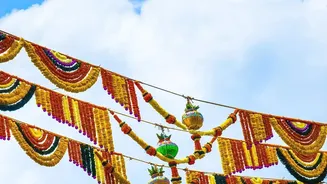
any space. This is why marigold garlands, or 'torans', are often the very first decoration to be hung over doorways during festivals like Diwali or before a major ceremony. They serve as a vibrant welcome to guests and are thought to invite prosperity while warding off negative energy. Offering these flowers to deities like Lord Ganesha, the remover of obstacles, and Goddess Lakshmi, the purveyor of wealth, is a common practice in pujas, signifying unwavering faith and devotion.
The Colours of Joy and Celebration
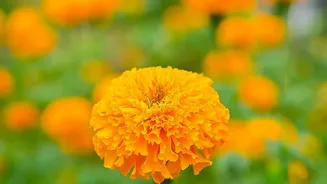
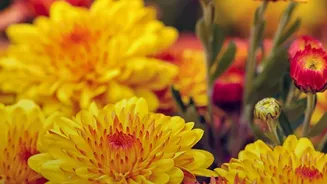
The visual impact of marigolds is undeniable. Their fiery orange and sunny yellow petals instantly infuse any setting with a sense of joy, warmth, and festivity. In Hinduism, the colour saffron or orange represents sacrifice, courage, and spiritual awakening, making it a sacred and significant hue for religious functions. At weddings, particularly during ceremonies like the Haldi, marigold backdrops are a staple. They create a rich, fragrant setting that not only looks stunning in photographs but also envelops the celebration in traditional warmth. The association of marigolds with Lord Vishnu and Goddess Lakshmi, considered an ideal couple, also makes them a popular choice to bless newlyweds with happiness and prosperity.
A Practical and Hardy Choice
Beyond their deep symbolism, marigolds are also an incredibly practical choice for large-scale decorations. They are widely available, relatively affordable, and remarkably durable compared to more delicate flowers. They can withstand being strung into long, heavy garlands and can last for a considerable time without wilting, even in warmer climates. This hardiness makes them ideal for adorning everything from wedding mandaps and event backdrops to photo booths and home entrances. Their longevity ensures that the festive decor remains fresh and vibrant throughout the celebrations.
A Natural and Fragrant Protector
An often overlooked benefit of using marigolds is their natural ability to repel insects. The flowers contain a compound called pyrethrum, which is used in many commercial insect repellents. Their strong, pungent scent, while mildly pleasant to humans, is a deterrent for mosquitoes and other pests. This makes hanging marigold garlands at entrances and in open-air venues not just a decorative choice, but a functional one, helping to keep bugs away from guests and food. This practical property adds another layer to their essential role in creating a comfortable and enjoyable celebratory environment.
Endless Creative Possibilities
The versatility of marigold garlands allows for endless creativity. Cascading strings can be used to create a stunning floral wall, a perfect backdrop for a Haldi ceremony or a sangeet stage. They can be wrapped around pillars, draped over tables, or fashioned into beautiful centrepieces floating in water-filled bowls with candles. Simple strands can be hung vertically to create a curtain of flowers, or combined with other elements like mango leaves for a traditional 'toran'. From elaborate swings (jhoolas) decorated for the bride to simple marigold balls suspended from trees, these flowers offer a flexible and impactful way to execute any decor vision.