





What is Simple-Meal Season?
There's no official calendar for it, but millions of Indian households intuitively know when it arrives. It’s the time of year when the thought of a heavy, multi-course meal feels exhausting. Simple-meal season is this informal, nationwide turn towards
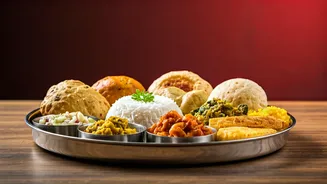
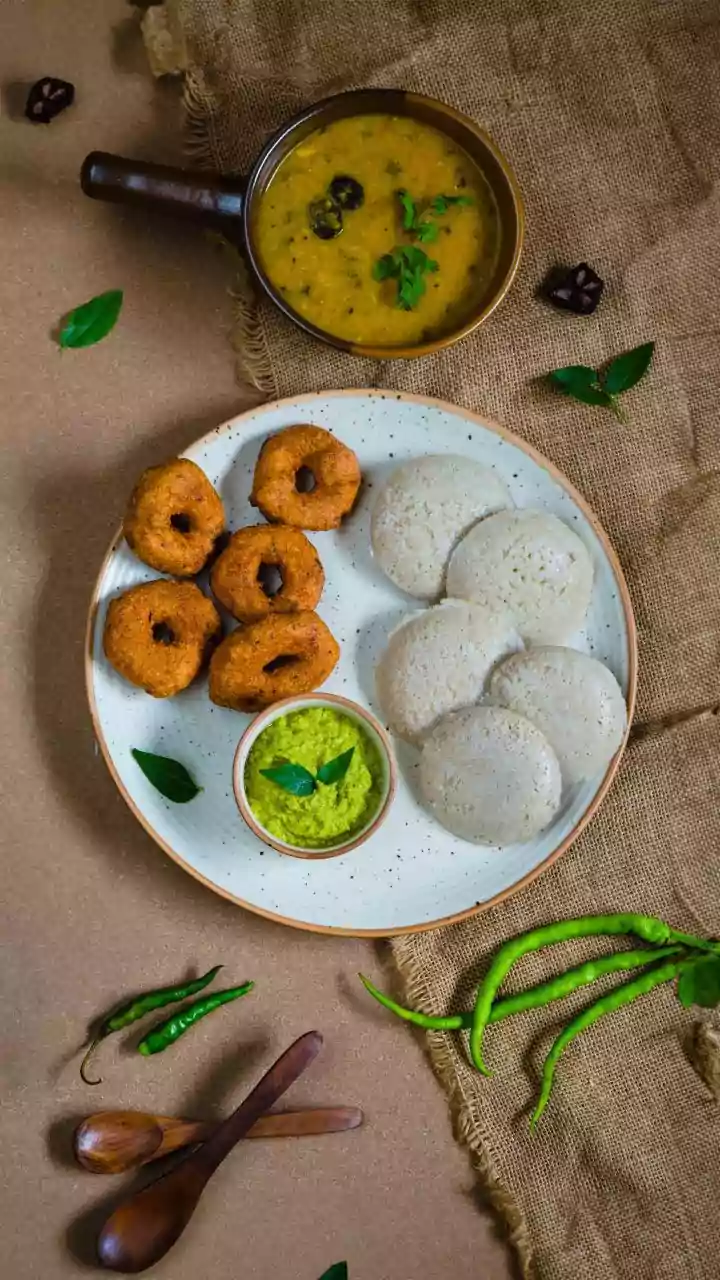
minimalist cooking. Rich, complex curries that were a source of comfort in winter are temporarily retired. In their place, the humble but deeply satisfying combination of dal and rice, the one-pot magic of khichdi, cooling curd rice, or a simple sabzi with phulkas takes center stage. This isn't about a lack of options; it's a conscious choice for ease, comfort, and relief from both kitchen heat and digestive heaviness. These meals are quick to prepare, require fewer ingredients, and are gentle on a system already battling the elements.
Driven by the Weather
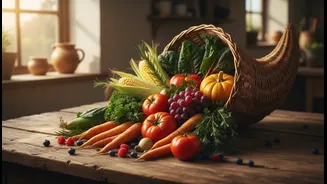
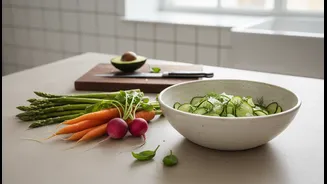
The most powerful force behind this annual shift is the weather. The sweltering heat of Indian summers, often followed by the sticky humidity of the monsoon, naturally suppresses appetite and slows down digestion. Standing over a hot stove for hours becomes a formidable task, making quick-cooking meals a practical necessity. The body instinctively craves foods that are cooling and hydrating. This is why ingredients like cucumber, yogurt, mint, and watermelon become staples. Dishes like raita, chaas (buttermilk), and fresh salads are not just side dishes but essential components that help lower body temperature and replenish fluids and salts lost through sweat.
A Tradition Rooted in Ayurveda
This seasonal dietary change is deeply rooted in India's traditional wisdom, particularly Ayurveda. According to Ayurvedic principles, summer is the 'Pitta' season, dominated by the fire element. To maintain balance, it's recommended to consume foods that are cooling, sweet, and easy to digest, while avoiding those that are overly spicy, salty, or oily, as these can aggravate heat in the body. Traditional Indian home cooking has internalized this wisdom for generations. The emphasis on lighter grains, cooling herbs like mint and coriander, and hydrating vegetables aligns perfectly with Ayurvedic guidance for the season. This is not a new trend but the continuation of a food culture that has always understood the importance of eating in harmony with nature's cycles.
The Smart Economics of Simplicity
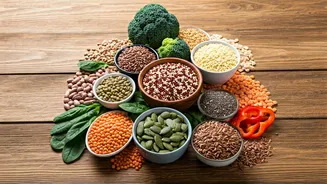
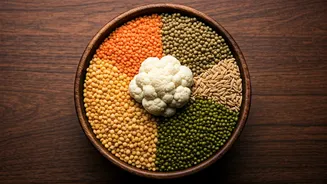
Beyond the climate and ancient wisdom, there are strong practical and economic reasons for embracing simpler meals. Simple dishes typically use fewer spices, less oil, and require less cooking gas or electricity, making them more budget-friendly. They often rely on seasonal vegetables, which are fresher, more nutritious, and more affordable when bought in their natural growing season. For many households, especially in rural areas, affordability is a major factor in meal planning. The ability to create a nourishing, satisfying meal with just a few staple ingredients like lentils, rice, and seasonal greens is a cornerstone of Indian home cooking, demonstrating a remarkable resilience and resourcefulness that balances nutrition with economic reality.
Aligning with Modern Wellness
Interestingly, this traditional practice of seasonal eating finds a powerful ally in modern wellness trends. Today, there is a growing global focus on mindful eating, gut health, and reducing the consumption of heavily processed foods. The simple, home-cooked meals of the Indian summer and monsoon fit perfectly into this narrative. They are inherently plant-forward, prioritize fresh ingredients, and are naturally anti-inflammatory. As more people become conscious of what they eat, they are rediscovering the value of these traditional meals, not just as a cultural habit but as a proactive step towards better health and preventive nutrition. This convergence of ancient wisdom and modern health consciousness is giving new relevance to the simple thali.