







Start With Your Backpack
Your first line of defence is your backpack itself. While some high-end packs are made from waterproof materials like TPU-coated nylon, most are only water-resistant, meaning they can handle light showers but will soak through in heavy rain. A simple
and effective solution is a backpack rain cover. These lightweight covers slip over your entire bag, acting as a raincoat to shield it from downpours. Many hiking packs come with one, but they're also sold separately and are a wise investment for any monsoon traveller. For daily use, a bag with flap closures over zippers provides an extra layer of protection, shedding water before it can reach the opening.
Layer Your Protection Inside
Even with a rain cover, it's crucial to waterproof your gear inside the bag. This 'double-bagging' strategy ensures that even if the outer layer fails, your valuables remain dry. The most accessible method is using zip-seal plastic bags. You can separate electronics, documents, and clothes into individual bags. For documents like passports and tickets, a dedicated waterproof zip pouch is a great option. This layering approach is essential for Indian monsoon conditions, where humidity alone can make things damp.
Invest in Dry Bags
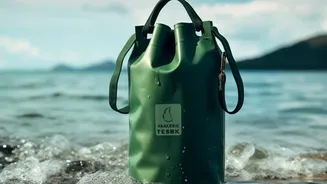
For serious backpackers or those carrying expensive equipment, dry bags are the gold standard. These are roll-top sacks made from waterproof materials that create a watertight seal when closed properly. They come in various sizes, allowing you to compartmentalise your gear. You can use smaller ones for your phone and wallet, and larger ones for a camera or a change of clothes. Ultralight dry sacks from brands like Sea to Summit or Osprey offer excellent protection without adding much weight to your pack. They provide peace of mind, especially during activities like river crossings or boat rides.
Use Dedicated Cases for Electronics
Your smartphone, camera, and power bank are most vulnerable to water damage. Beyond general dry bags, consider device-specific waterproof cases. These allow you to use your phone or camera even in the rain. For an extra layer of security, pack each electronic item in an individual zip-seal bag before placing it in a larger dry bag. A common mistake travellers make is forgetting smaller items like chargers and earphones, which should also be sealed.
The Unexpected Hero: Silica Gel
High humidity is as much a threat as direct rain. To combat this, toss a few silica gel packets into the bags where you store your electronics. These small packets are desiccants, meaning they absorb moisture from the surrounding air. This can prevent condensation from forming inside your devices and cases, offering another layer of protection against subtle water damage. You can collect these from new shoe boxes or electronic packaging.
Have an Emergency 'Wet Plan'
Despite all precautions, accidents happen. If an electronic device gets wet, the most important step is to turn it off immediately and remove the battery if possible. Do not try to turn it on to see if it still works, as this can cause a short circuit. Gently dry the exterior with a microfibre cloth. To draw out internal moisture, you can place the device in a sealed container filled with uncooked rice or silica gel packets for at least 24 to 48 hours. Be patient; giving it ample time to dry completely is the best chance you have of saving it.