





The Shift from Seeing to Doing
For decades, the goal of travel was often to see the famous sights, ticking them off a list. But a fundamental shift is underway. Modern travellers, particularly younger generations like Millennials and Gen Z, are increasingly prioritising 'doing' over
simply 'seeing'. This move is away from passive consumption of a destination towards active participation in its culture and landscape. Instead of just looking at a historic city, they want to understand its story from a local historian. Instead of just eating at a famous restaurant, they want to join a cooking class and learn the secrets behind the cuisine. This trend, known as experiential travel, is less about the destination as a backdrop and more about the journey of personal growth and genuine connection it enables.
What 'Authenticity' Really Means to Travellers
The driving force behind this movement is a deep craving for authenticity. In a world saturated with filtered images and sponsored content, travellers are looking for real, unscripted moments. An authentic experience isn't about finding a place 'untouched' by tourism, but rather about engaging with a culture honestly and respectfully. It is the difference between watching a rehearsed cultural show and learning a traditional craft from an artisan who is preserving their heritage. This search for authenticity is a reaction against 'tourist traps'—places often seen as overpriced, lacking cultural depth, and designed solely for visitors rather than being a genuine part of local life. For many, a trip is now judged not by how many landmarks were visited, but by how deeply a place was understood.
The Rise of Off-the-Beaten-Path Destinations
This focus on unique activities is naturally steering people away from overcrowded global hotspots. Overtourism in popular cities and sights has led many to seek out lesser-known alternatives where they can find more space and a stronger sense of discovery. In India, for instance, travellers are increasingly exploring places like the Ziro Valley in Arunachal Pradesh or the serene landscapes of Uttarakhand, moving beyond the traditional 'Golden Triangle'. This dispersal of tourism has significant benefits. It helps alleviate the strain on overburdened infrastructure in major tourist hubs and distributes economic benefits to smaller communities that may have been previously overlooked. By choosing a homestay in a rural village or a guided trek in a remote mountain range, travellers are directly contributing to local economies.
From Adventure to Wellness and Learning
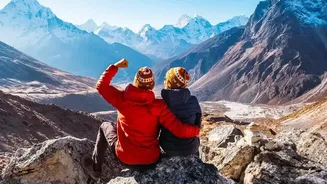
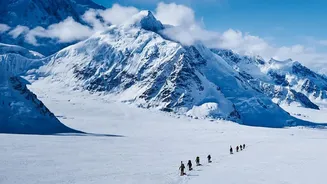
Experiential travel is not a one-size-fits-all concept. It spans a wide spectrum of activities tailored to personal interests. For some, it’s about physical challenges and adventure, with trekking, mountaineering, and cycling tours seeing a significant boom. The global adventure tourism market is projected to grow substantially, reflecting a desire for active, health-conscious holidays. For others, it's about wellness and rejuvenation, seeking out retreats that offer yoga, meditation, and a connection with nature. Culinary travel is another major component, with food-focused tours offering a delicious window into a region's soul. Even 'race-cations', where people travel to run marathons, are on the rise, blending personal achievement with cultural exploration.
How Technology Fuels the Escape
It might seem like a paradox, but the technology that contributes to our hyper-connected lives is also a key enabler of these off-grid experiences. While social media can create overhyped destinations, it also serves as a powerful discovery tool for hidden gems and unique activities shared by influencers and fellow travellers. Specialised platforms now connect travellers directly with local hosts for everything from private food tours to immersive workshops and homestays. These tools make it easier than ever to bypass traditional tourism providers and curate a personalised itinerary built around meaningful interactions. This allows for a slower, more intentional style of travel, where the goal is not to rush through a checklist but to let a destination unfold at its own pace.