

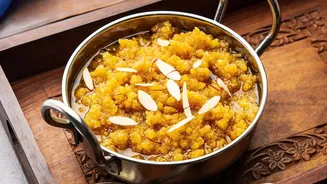
The Classic: Moong Dal, The Gentle Giant
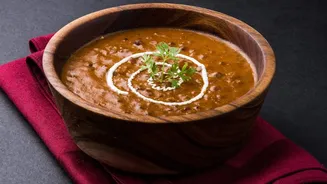
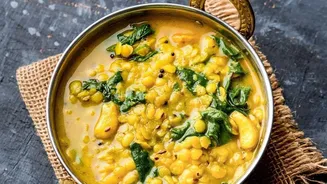
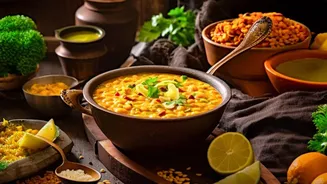
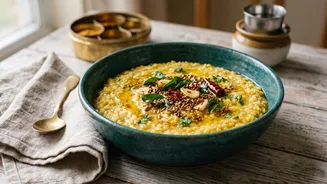
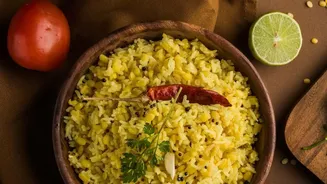
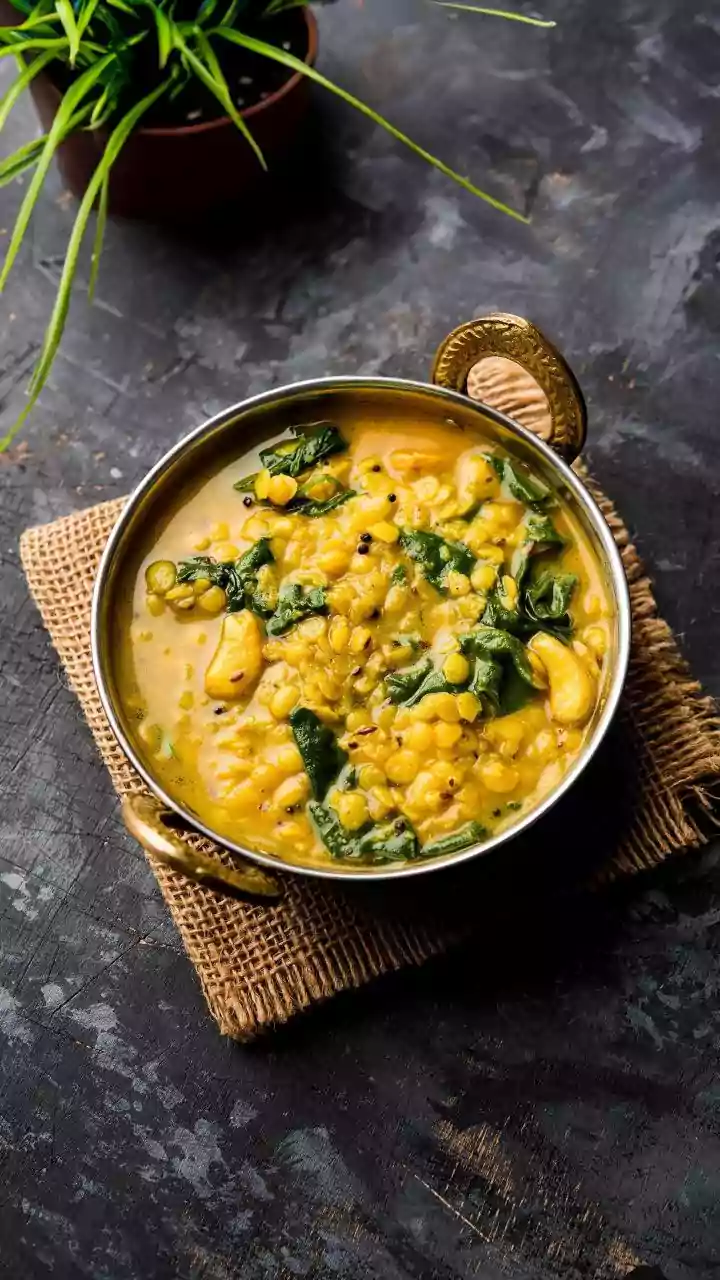
The most common pairing for khichdi is rice with yellow moong dal (split and skinned green gram). There's a good reason for its popularity: moong dal is famously easy to digest, cooks quickly, and breaks down into a creamy, porridge-like consistency that
is both soothing and nourishing. This is the version most of us turn to when feeling under the weather or in need of a light meal. For a slightly different texture and more fibre, you can use split green moong (chilka moong), which retains its husk and lends a more rustic feel to the dish. The combination of rice and moong dal creates a complete protein, providing all essential amino acids.
The Hearty Alternative: Toor Dal's Nutty Depth
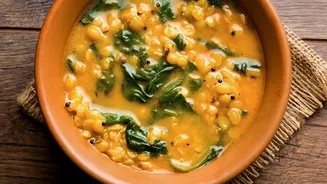
For a more robust and flavourful khichdi, look no further than toor dal (split pigeon peas). Unlike moong dal, toor dal holds its shape a bit more when cooked, resulting in a texture that is less creamy and more substantial. It imparts a distinct nutty flavour that stands up well to stronger spices. This dal is the star of the famous South Indian dish, Bisi Bele Bath, a spicy lentil-rice preparation that can be considered a cousin of khichdi. When using toor dal, remember that it takes slightly longer to cook than moong dal, so plan accordingly, perhaps by soaking it for 30 minutes beforehand.
The Quick Comfort: Masoor Dal's Creamy Rush
When you're short on time, masoor dal (red lentils) is your best friend. These tiny, vibrant lentils cook incredibly fast and dissolve into a velvety, smooth consistency, making for an exceptionally creamy khichdi. Because of their quick-cooking nature, they are perfect for a weeknight dinner when you need comfort food in a hurry. The flavour is mild and earthy, pairing beautifully with simple tempering of cumin and garlic in ghee. You can easily combine it with moong dal for a multi-dal khichdi that offers a complex texture and flavour profile.
Beyond Rice: The Millet Renaissance
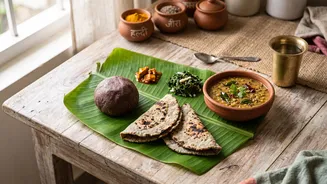
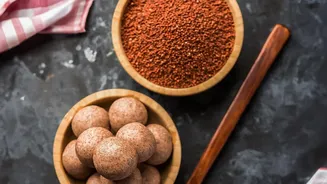
Khichdi doesn't have to be made with rice. Ancient grains like millets are making a huge comeback, and for good reason. Bajra (pearl millet) khichdi is a winter speciality in Rajasthan and Haryana, known for its earthy flavour and warming properties. It has a wonderfully chewy texture and is packed with protein and fibre. Other millets like foxtail, kodo, and barnyard millet also work beautifully, offering a gluten-free and nutrient-dense alternative to rice. When cooking with millets, remember that they often require a longer soaking time and might need a slightly different water ratio to cook perfectly.
The Fasting Favourite: Sabudana Khichdi
Though it shares the name, Sabudana Khichdi is an entirely different dish. Made from sabudana (tapioca pearls), it is technically not a grain-and-lentil dish but is a popular food during religious fasts like Navratri. Soaked tapioca pearls are sautéed with potatoes, roasted peanuts, green chillies, and cumin seeds. The result is a delightfully chewy, savoury, and gluten-free dish that provides a quick burst of energy from carbohydrates. The key to a perfect, non-sticky sabudana khichdi lies in soaking the pearls for the right amount of time until they are soft but not mushy.
The South Indian Cousin: Ven Pongal
Travel south, and you'll find Ven Pongal, Tamil Nadu's beloved version of savoury khichdi. While it uses the classic combination of rice and roasted moong dal, its flavour profile is distinct. Ven Pongal is generously seasoned with black pepper, cumin, ginger, and curry leaves, and loaded with ghee and fried cashew nuts. The texture is exceptionally creamy and luscious, achieved by mashing the cooked rice and dal mixture. It is a celebratory breakfast dish, especially during the Pongal harvest festival, but is enjoyed year-round for its comforting and rich taste.