








Beyond the Beachside Buffet
The traditional honeymoon—often a whirlwind of flights, five-star hotels, and all-inclusive deals—has long been a rite of passage. But for a growing number of modern couples in India, this model is losing its lustre. They are consciously looking beyond
the convenience of a pre-packaged holiday, seeking something more meaningful, authentic, and sustainable. This isn't just a travel trend; it's a reflection of a larger shift in values. Millennial and Gen Z couples, more environmentally and socially aware than previous generations, are starting their married lives with the same intentionality they apply to other aspects of their lives. They’re asking: How can our first journey as a married couple be a positive one, not just for us, but for the places we visit?
What is an Eco-Honeymoon?
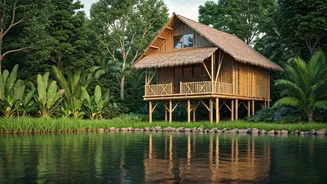
An eco-honeymoon is about more than just staying in a place with good recycling practices. It’s a philosophy centered on minimising your environmental footprint while maximising your positive impact on local communities and ecosystems. Think less about consumption and more about connection. This can take many forms: staying in a boutique eco-lodge powered by solar energy in the hills of Uttarakhand, volunteering for a day at a marine conservation project in the Andamans, or choosing a farm-stay in Kerala where your meals come directly from the organic garden outside your window. The core principle is 'conscious travel'—making deliberate choices that support sustainability, from the transport you take to the souvenirs you buy.
The New Luxury: Experience Over Excess
One of the biggest misconceptions about eco-tourism is that it requires sacrificing comfort or luxury. The reality is quite the opposite. For these couples, luxury isn't defined by infinity pools or 24/7 room service. Instead, it’s found in exclusivity and experience: a private guided trek to a hidden waterfall, a cooking class with a local family using age-old recipes, or waking up to the sounds of a rainforest instead of a bustling hotel lobby. These experiences offer a richness and authenticity that mass-market resorts simply cannot replicate. Properties like The Tamara Coorg, set within a lush coffee plantation, or boutique homestays in Sikkim that champion local architecture and cuisine, are proving that sustainability and high-end hospitality can go hand-in-hand.
From the Himalayas to the Ghats
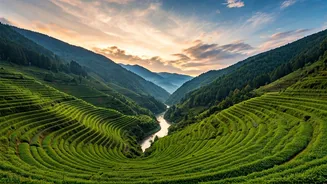
India, with its incredible biodiversity and diverse landscapes, is a perfect destination for this trend. Couples are exploring their own backyard with newfound appreciation. Instead of a quick trip to Europe, they’re opting for slow travel through the less-explored regions of the country. Imagine a honeymoon spent trekking through rhododendron forests in Himachal Pradesh, staying in village homestays that directly benefit the community. Or picture a serene getaway in the Western Ghats, learning about spice cultivation and biodiversity from local experts. These journeys are not just vacations; they are immersive educational experiences that foster a deeper connection with nature and each other.
How to Plan Your Green Getaway
Planning an eco-honeymoon requires a bit more research but is ultimately more rewarding. Start by looking for properties with recognised eco-certifications, like those affiliated with the Ecotourism Society of India. Read reviews carefully, looking for mentions of sustainable practices, community involvement, and local sourcing. Don’t be afraid to ask questions directly: How do you manage waste? Do you hire local staff? How do you contribute to conservation efforts? Pack mindfully by bringing reusable water bottles, reef-safe sunscreen, and avoiding single-use plastics. The goal is to leave a place better—or at least the same—as you found it.