




From Packets to Premium Dining
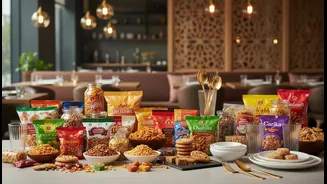
Household names like Haldiram's and Bikanervala, long synonymous with bhujia, sweets, and savoury snacks, are undergoing a significant transformation. Instead of just occupying shelves in international supermarkets, they are now launching premium, full-service
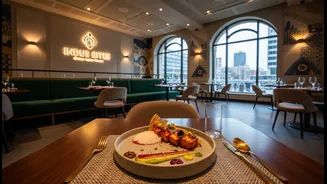
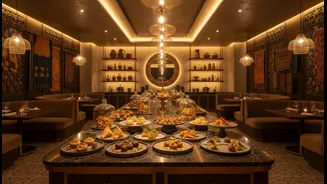
restaurants in prime locations. In June 2026, Haldiram's opened a 120-seat casual dining restaurant in London's bustling Leicester Square, drawing long queues. This move follows openings in Dubai and plans for further expansion across Europe. Similarly, Bikanervala has established a presence in the UK, USA, Canada, New Zealand, and the UAE, evolving from a traditional sweet shop to a full-fledged restaurant experience. This isn't about simply scaling up their quick-service outlets; it’s a deliberate strategy to build immersive brand experiences, moving from a consumer packaged good (CPG) model to a comprehensive hospitality brand.
Capitalising on a Global Appetite
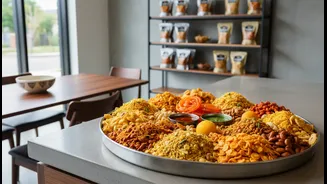
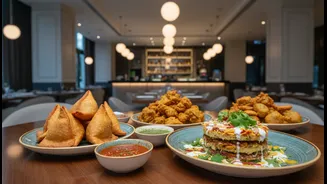
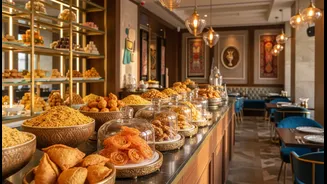
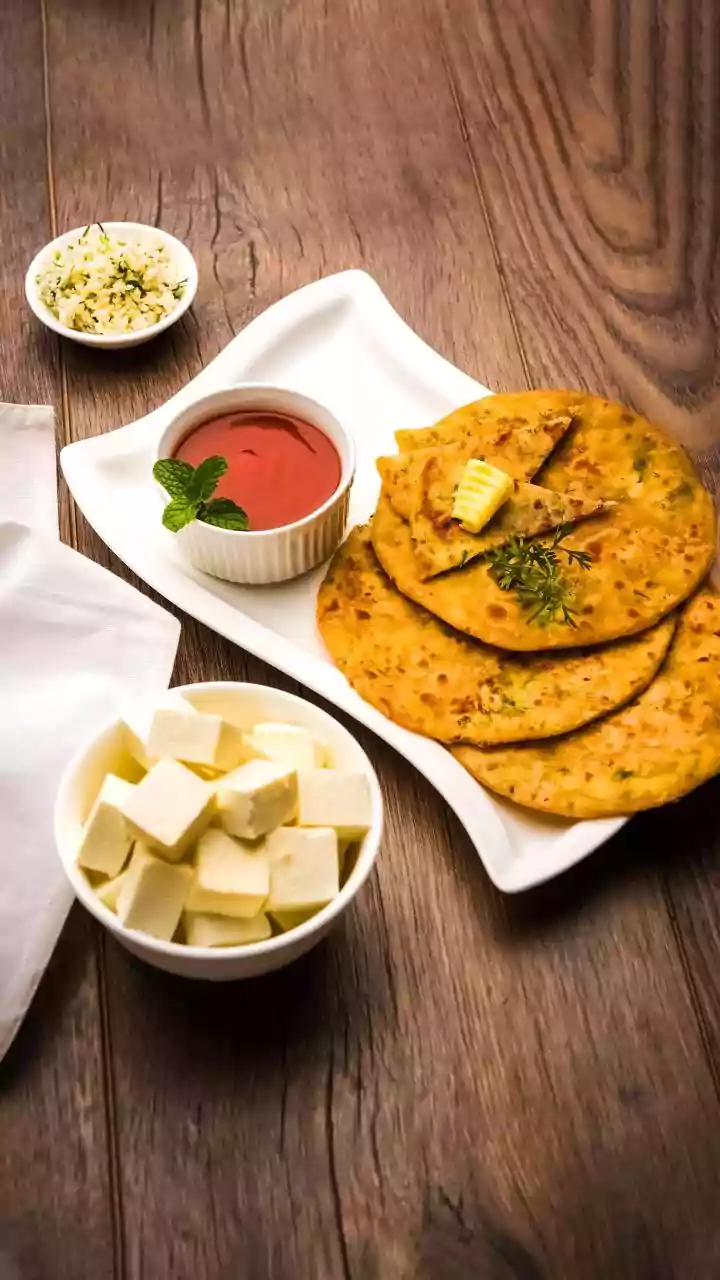
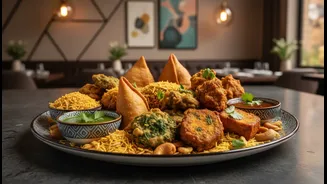
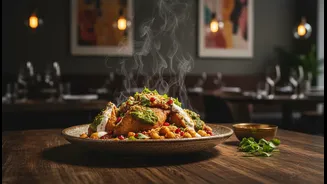
A key driver of this trend is the surging global demand for authentic Indian food. International palates are becoming more adventurous, seeking regional diversity beyond the standard curry house fare. Brands like Haldiram's are perfectly positioned to meet this demand, offering a menu that celebrates beloved classics like Chole Bhature, Raj Kachori, and a wide array of chaats. This expansion is initially anchored by the large Indian diaspora in countries like the UK, US, and UAE, who crave a nostalgic taste of home. However, the appeal is rapidly broadening to a wider international audience, turning these restaurants into cultural gateways that introduce new customers to the depth and variety of Indian cuisine.
The Economics of the Experience
The business logic behind this move is compelling. First, it creates a powerful brand ecosystem. The restaurant acts as a high-visibility marketing platform for the packaged snacks. A positive dining experience can drive customers to buy the brand's products in retail stores, creating a virtuous cycle of loyalty. This strategy allows brands to capture a larger 'share of stomach' by being present at different consumption occasions. Financially, full-service restaurants typically offer higher profit margins than packaged goods. They also give the company complete control over the customer experience, from the ambience to the service, which is impossible when their product is just one of many on a supermarket shelf. This control is crucial for building a premium brand identity in competitive international markets.
A Blueprint for Indian Soft Power
This trend is more than just a business expansion; it's a projection of India's growing cultural confidence. By establishing a high-quality physical presence in major world cities, these brands are elevating the global perception of Indian food and business acumen. This move is backed by significant investor confidence, with Haldiram's securing funding from Singapore's state investor Temasek to fuel its international growth. The success of these snack-brands-turned-restaurateurs provides a blueprint for other Indian companies with global ambitions. They demonstrate how to leverage decades of brand equity built at home and translate it into international success, effectively exporting a piece of Indian heritage.
Navigating the Challenges
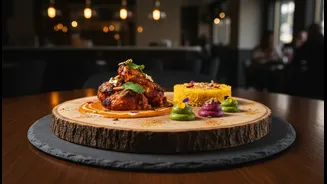
The path to international restaurant success is not without its hurdles. Brands must carefully balance authenticity with the need to adapt to local tastes. While classic dishes are the main draw, menus are often tweaked to include fusion desserts or dedicated vegan options to cater to a broader audience. Navigating complex international food regulations, managing global supply chains to ensure quality, and dealing with high operational costs in prime European or American locations are significant challenges. Success hinges on finding the right partners, often through franchise models, and adapting operations to suit each new market without diluting the core brand identity that made them famous in the first place.