



From a Morning Ritual to a Rich Resource
The idea of turning waste into food is the cornerstone of a circular economy, and it's happening in kitchens and on balconies across the country. Used coffee grounds, often discarded without a second thought, are a powerhouse of nutrients. The process
of brewing a cup of coffee effectively pasteurises the grounds, killing off many of the competing microorganisms that might hinder growth. This makes them an almost perfect, ready-to-use substrate for cultivating certain types of mushrooms, diverting a significant waste stream from landfills and turning it into a valuable resource. This practice isn't just for large-scale commercial farms; it's an accessible entry point into urban agriculture for anyone with a bit of space.
A Fungi's Favourite Food
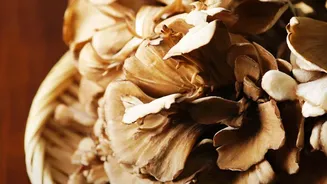
Not all mushrooms are suited for growing on coffee, but one particular variety thrives: the oyster mushroom. Oyster mushrooms (Pleurotus ostreatus) are famously resilient and colonise coffee grounds aggressively. The grounds are rich in nitrogen and other essential minerals that mycelium—the root-like structure of the fungus—needs to flourish. While some dedicated growers cultivate more sensitive species like Lion's Mane by mixing coffee grounds with other materials like sawdust or straw for better aeration, beginners will find the most reliable success with oyster mushrooms. Their rapid growth and tolerance for varied conditions make them the undisputed champion of coffee ground cultivation.
What You Will Need to Get Started
Embarking on your mushroom-growing journey doesn’t require expensive, specialised equipment. The beauty of this method lies in its simplicity. You will need a suitable container, such as a large bucket or a purpose-made filter bag. Next, you need fresh coffee grounds, which should ideally be used within 24 hours of brewing to prevent mould. Many local cafes are happy to provide their spent grounds for free. The most crucial ingredient is mushroom spawn, which is essentially the mycelium that will colonise the coffee grounds. You can easily source oyster mushroom spawn online from various suppliers. With these three key components—a container, grounds, and spawn—you are ready to begin.
A Simple Step-by-Step Guide
The process is straightforward. First, ensure your container is clean and has a few small holes for air exchange and for the mushrooms to eventually grow through. Next, in your clean container, thoroughly mix the mushroom spawn with your cooled, fresh coffee grounds. A common ratio is about 1 part spawn to 10 parts grounds. Once mixed, seal the container and place it in a dark, temperate spot for two to four weeks. This is the incubation phase, where the white, web-like mycelium will spread throughout the grounds. When the entire block is white, move it to a location with indirect light and higher humidity, misting it with water daily. Within a week or two, you will see tiny mushroom pins forming, which will quickly develop into full-sized clusters ready for harvest.
The Many Rewards of Urban Mushroom Farming
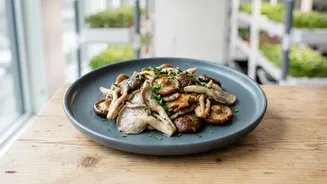
The most immediate reward is, of course, a harvest of fresh, organic mushrooms, free from pesticides and with a flavour far superior to many store-bought options. But the benefits extend far beyond your dinner plate. By repurposing coffee grounds, you are actively participating in a sustainable practice that reduces household waste. For those with an entrepreneurial spirit, this can even become a small-scale business, supplying fresh mushrooms to local markets or restaurants. Growing your own food in an urban environment provides a unique sense of satisfaction and a powerful connection to the food you eat, completing a cycle from your morning coffee to a home-cooked meal.