



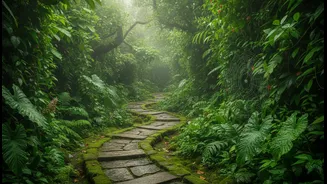


From Itinerary to Immersion
Slow travel is less a vacation style and more a mindset. It’s a conscious rejection of the checklist-driven tourism that tries to squeeze five cities into seven days. Instead, it prioritises spending more time in fewer places, fostering a genuine connection
with the local culture, community, and environment. Emerging from the 'slow food' movement, this philosophy champions depth over distance, encouraging travellers to move with intention rather than urgency. For a generation of young Indians reporting high levels of workplace burnout, this approach offers an antidote to their fast-paced urban lives. It’s about swapping the frantic rush for a chance to truly inhabit a place, whether that means renting an apartment for a month or simply lingering in a local café to absorb the rhythm of daily life.
The Quest for Meaning and Mental Peace
The pull towards spiritual destinations like Varanasi and Rishikesh is a significant trend among India's Gen Z and millennial travellers. Recent data shows that younger travellers now constitute the majority in India's rapidly growing spiritual tourism sector, a domain once associated primarily with older generations. This shift isn’t just about religious observance; it's driven by a search for mental peace, an interest in cultural heritage, and a desire for personal growth. In a world saturated with digital noise, these journeys offer a chance to disconnect and find emotional balance. Travellers are seeking authenticity and meaningful experiences, moving beyond social media-driven trends to find a more personal connection with their roots and themselves.
Varanasi: Embracing Ancient Rhythms
For the slow traveller, Varanasi is not a list of sights but an experience to be absorbed. The city, one of the world's oldest, offers an unparalleled depth of culture that rewards a leisurely pace. Young travellers are choosing to spend their time not just on mandatory boat tours, but by participating in daily life. They engage in sunrise walks along the ghats, sit for hours observing ancient rituals, and explore the city's culinary heritage through its street food. The intensity of Varanasi, with its constant confrontation of life and death, provides a profound, transformative experience that can't be rushed. A growing network of backpacker hostels provides a social atmosphere for travellers to process their experiences, making these deep cultural dives more accessible and communal.
Rishikesh: Wellness and Modern Spirituality
If Varanasi is about deep, ancient immersion, Rishikesh offers a more modern, accessible form of spirituality that is particularly appealing to young seekers. Known as the 'Yoga Capital of the World', it attracts travellers with its blend of wellness retreats, meditation centres, and ashrams. Here, spirituality is often fused with adventure and leisure; a morning yoga session might be followed by an afternoon of white-water rafting or café-hopping. The town's infrastructure, with its abundance of hostels, international food, and English-friendly environment, makes it an ideal introduction to spiritual travel. Data shows that in 2025, Gen Z and millennials made up nearly 97% of visitors to Rishikesh, highlighting its status as a hub for this new generation of spiritual explorers.
The Practical Enablers of a New Trend
This movement isn't just philosophical; it's also enabled by practical shifts in work and life. The rise of remote work and 'workcations' has untethered many young professionals from their city desks, making longer trips financially and logistically feasible. Many are escaping urban burnout by swapping their apartments for stays in mountains or spiritual towns, working during the day and exploring in their free time. This flexibility, combined with the affordability of domestic travel and the ease of online bookings, has made immersive journeys more attainable than ever. Hostels in cities like Rishikesh and Varanasi cater specifically to this demographic, offering not just a bed but a community and a base for extended stays.