


Permits: Clearing Up the Confusion
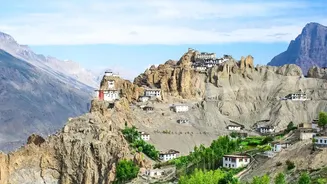
First, let's address the most common question: do Indian citizens need a permit for Spiti Valley? The simple answer is no. For most parts of the Spiti circuit, including popular destinations like Kaza, Tabo, Dhankar, and Key Monastery, you do not need an Inner
Line Permit (ILP) or a Protected Area Permit (PAP). Those are primarily for foreign nationals. However, this doesn't mean you can travel without documentation. All Indian travellers must carry a valid, government-issued photo ID like an Aadhaar card, Voter ID, or passport. You will be required to present this ID at various police and army checkposts along the way, such as those at Jangi and Sumdo. This is a standard registration procedure for security reasons, as the valley is close to international borders, not a permit application.
Vehicle Permits: The Manali Route Caveat
While you don't need a personal permit, your vehicle might. This is crucial if you plan to enter or exit Spiti via the Manali-Kaza highway. To cross the Atal Tunnel and travel beyond towards Kaza, your vehicle will likely need a 'Beyond Rohtang' permit or an e-pass from the Lahaul-Spiti district's portal. These rules were implemented to manage the surge in traffic and protect the fragile ecosystem. The permit system is online, and it's essential to apply in advance, especially during the busy season. Always check the official Kullu or Lahaul-Spiti administration websites for the latest requirements before you travel, as the portals and rules can change. If you are travelling from the Shimla-Kinnaur side, this vehicle permit is not required, which is one reason many prefer this route.
The Monsoon Factor: Highway Status
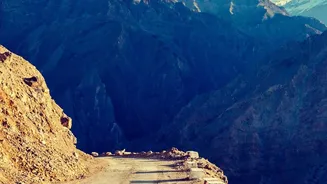
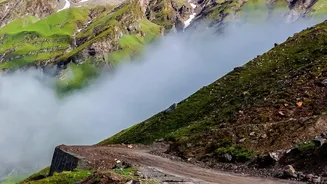
August is peak monsoon season, and this is the most critical factor for a Spiti trip. While the core Spiti Valley is a rain-shadow area and receives minimal rainfall, the approach roads are heavily affected. Landslides, flash floods, and roadblocks are common occurrences on both the Shimla-Kaza and Manali-Kaza highways. As of early August 2026, travel advisories are in effect due to heavy rains causing disruptions. The Shimla-Kinnaur highway (NH-5), while generally considered the more reliable all-weather road, is prone to landslides in areas like Rampur, Jeori, and near Malling Nallah. The Manali-Kaza route, which crosses the high-altitude Kunzum Pass, features treacherous water crossings and unpaved sections like the infamous Gramphu to Batal stretch that become even more challenging in the rain.
A Strategy for Safe Travel
Given the conditions, a safe trip requires a flexible and informed approach. The Shimla-Kaza route is generally recommended for entry during the monsoon as it offers gradual acclimatisation and is typically more stable than the Manali side. However, stability is relative. Before starting your journey each day, check for real-time updates. Consult the Himachal Pradesh Police's official traffic channels, local taxi unions, and hotel operators in the next town on your itinerary. Do not rely solely on Google Maps. Build buffer days into your schedule—at least two to three—to account for potential delays. If a road is blocked, do not take unnecessary risks. It is always better to wait for authorities to clear the path. Travel during daylight hours only, start early to navigate water crossings when the flow is lower, and consider hiring an experienced local driver who understands the terrain and its risks.
Your Monsoon Travel Checklist
Being prepared is non-negotiable. Ensure your vehicle, preferably a 4x4 or one with high ground clearance, is in excellent condition. Carry a full-fledged toolkit, a puncture repair kit, and know how to use them. Fuel stations are scarce, so fill up at every opportunity and carry extra fuel in a safe jerry can. Pack for all weather—waterproof outer layers, warm thermal inners, and sturdy, waterproof shoes are essential. A comprehensive first-aid kit, including medication for altitude sickness (after consulting a doctor), is a must. Since mobile connectivity is patchy (BSNL has the widest coverage), download offline maps. Finally, carry enough cash, as ATMs are few and often out of service.