


The Heart of the Navratri Diet
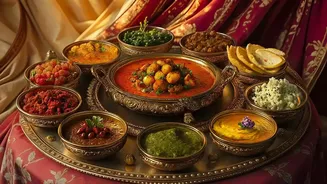
Navratri fasting is a time of detoxification and spiritual reflection, and the food consumed plays a vital role. The diet, often called 'Falahari,' traditionally excludes grains like wheat and rice, lentils, legumes, onions, garlic, and regular table
salt. The focus shifts to a 'Sattvic' or pure diet, which is light on the stomach and believed to aid in spiritual focus. This involves a variety of fruits, vegetables, specific flours, dairy products, and certain spices. The core idea is to consume foods that are natural, easily digestible, and provide sustained energy throughout the day. Instead of common salt, 'sendha namak' or rock salt is used. Cooking methods like frying are often limited in favour of boiling, steaming, and roasting.
Alternative Grains and Flours
While regular grains are avoided, Navratri opens up a world of nutritious alternatives. Flours made from buckwheat ('Kuttu ka Atta'), water chestnut ('Singhare ka Atta'), and amaranth ('Rajgira ka Atta') become staples. These gluten-free flours are used to prepare a variety of breads, including the popular 'Kuttu ki Puri,' a deep-fried bread that is crispy and has a distinct nutty flavour. Another key ingredient is barnyard millet, known as 'Samak ke Chawal' or 'Sama Rice'. Despite its name, it is not a type of rice but a millet that is used to make dishes like pulao, khichdi, and even upma, providing a light yet filling meal option.
The Ubiquitous Sabudana
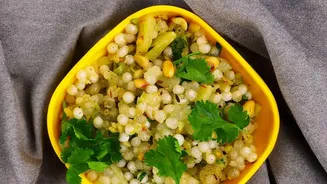
No Navratri fast is complete without 'Sabudana' or tapioca pearls. These high-carbohydrate pearls are a source of instant energy. The most beloved preparation is Sabudana Khichdi, a savoury dish made by sautéing soaked sabudana with boiled potatoes, roasted peanuts, green chillies, and curry leaves. This dish is cherished for its delightful texture and balanced flavours. Other popular sabudana dishes include Sabudana Vada (deep-fried patties), Sabudana Tikki (pan-fried cutlets), and even Sabudana Kheer, a sweet pudding.
Vegetables, Fruits, and Dairy
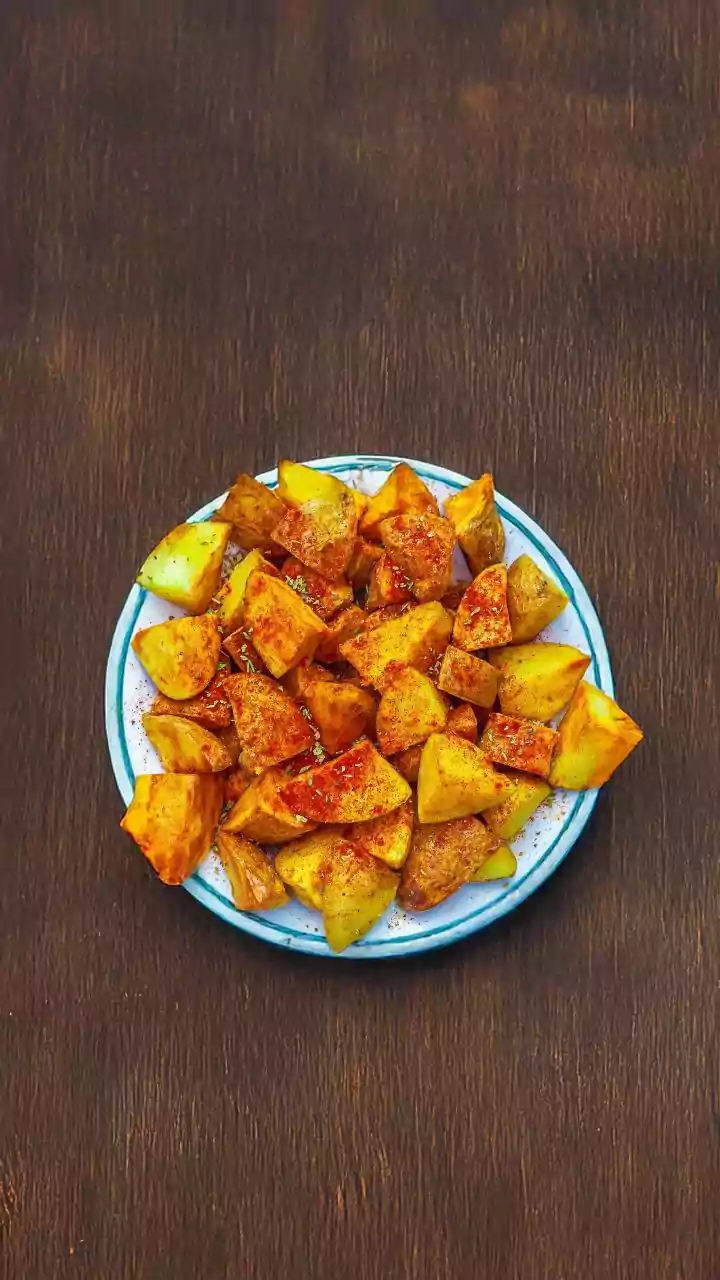
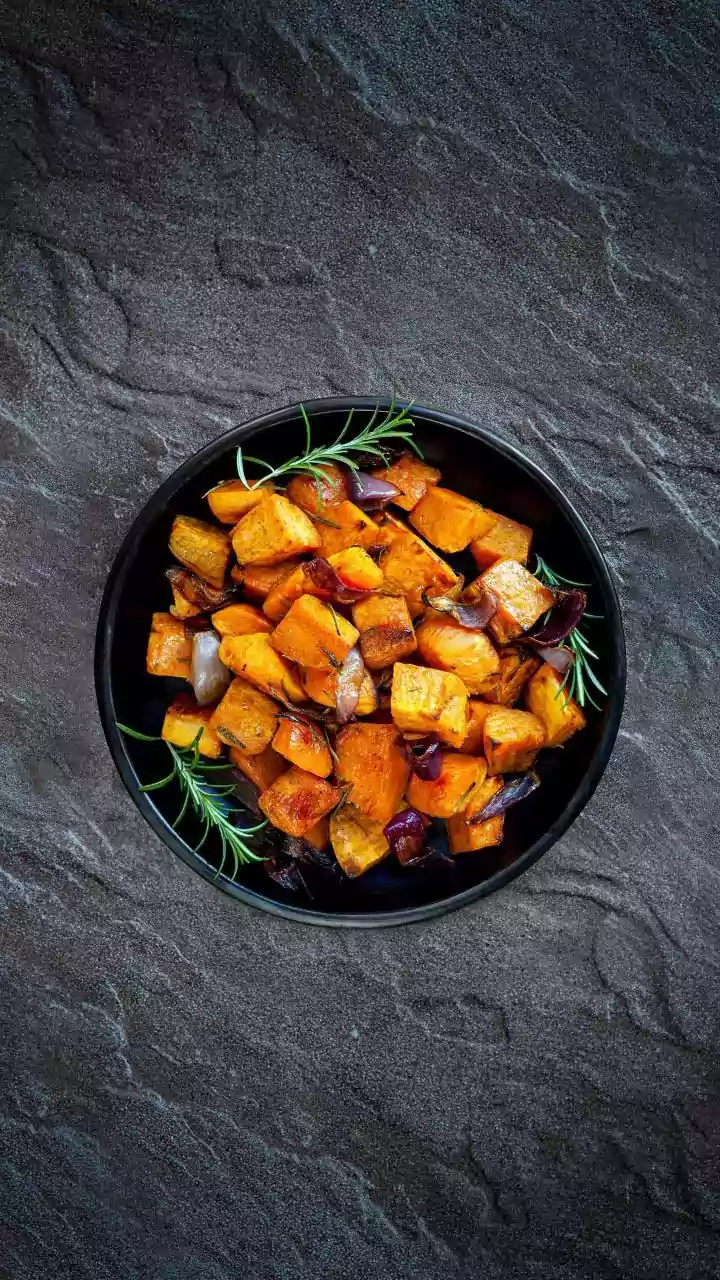
A specific selection of vegetables is permitted during the fast. Potatoes are incredibly versatile and form the base for many dishes, like 'Vrat wale Aloo ki Sabzi,' a simple potato curry often paired with puris. Other allowed vegetables include sweet potatoes, pumpkin, bottle gourd ('lauki'), and cucumber. Fruits are a cornerstone of the Navratri diet, either eaten whole, as fruit plates, or in the form of juices and shakes. Dairy products like milk, yogurt ('dahi'), cottage cheese ('paneer'), and clarified butter ('ghee') are also widely consumed, providing essential proteins and fats. Paneer can be used in cutlets or light curries, while yogurt is often served as a cooling accompaniment.
Snacks and Sweets
Fasting doesn't mean forgoing snacks and sweets. Roasted fox nuts ('Makhana') are a popular light snack. For those with a sweet tooth, there are plenty of options. 'Makhana Kheer,' a pudding made with fox nuts, milk, and nuts, is a creamy and comforting dessert. Other sweets include halwa made from water chestnut flour ('Singhare Ka Halwa') or desserts made from pumpkin or bottle gourd. Fruit-based desserts like fruit chaat and various kheers are also common.
Regional Traditions
While the basic principles of Navratri fasting are similar, culinary traditions vary across India. In Gujarat and Maharashtra, 'Farali' (fasting) snacks like potato patties and Rajgira Puri are popular. In North India, a meal of 'Kuttu ki Puri' with potato curry is a classic. South India has its own unique offerings, such as 'Sundal,' a dish made from legumes (for those not strictly fasting on grains), and various types of 'Payasam' (a sweet pudding). In Bengal, where Durga Puja is the main celebration, the period is more of a feast, with elaborate vegetarian 'bhog' (offerings) served at community pandals.