







Know the Toxic Offenders
Before you bring any new plant onto your balcony, it's crucial to know which ones pose a threat. Many common and beautiful plants can be toxic to cats and dogs if ingested. Lilies are extremely dangerous for cats, with even a small amount of pollen leading
to kidney failure. Other popular plants to avoid or keep completely out of reach include Sago Palms, which can cause severe liver failure, and Azaleas, which can impact heart rhythm. Even seemingly innocuous plants like Aloe Vera, Tulips, Daffodils, and Ivy can cause significant gastrointestinal upset, including vomiting and diarrhea. Symptoms of plant poisoning can range from drooling and lethargy to more severe signs like seizures or difficulty breathing. Knowing which plants are dangerous is the first and most important step in creating a safe environment.
Choose Pet-Safe Beauties
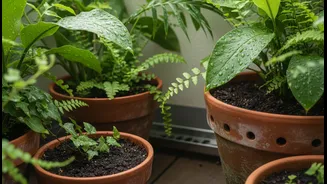
The good news is that you don't have to sacrifice a beautiful balcony garden for the sake of your pet's safety. There is a vast array of stunning plants that are non-toxic to both cats and dogs. For vibrant flowers, consider Snapdragons, Zinnias, Camellias, and Petunias. If you prefer lush foliage, many ferns like the Boston Fern and Bird's Nest Fern are excellent choices. Various palms, such as the Areca Palm and Parlor Palm, are also considered safe and add a wonderful tropical feel. For those who love herbs, basil and rosemary are generally safe options. Always double-check a plant's toxicity level before purchasing, but rest assured you have plenty of beautiful and safe options to choose from.
Elevate and Separate: Strategic Placement
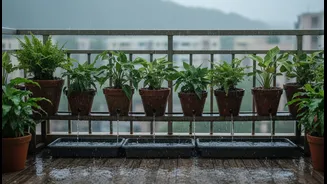
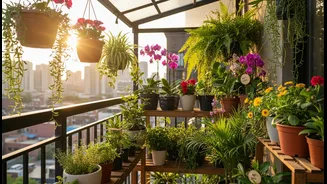
Once you have your pet-safe plants, the next step is strategic placement. The easiest way to keep plants away from curious pets is to place them out of reach. Vertical gardening is a balcony's best friend. Use hanging baskets for trailing plants, install railing planters, or use tall, narrow plant stands that are too high for a pet to easily jump onto. Wall-mounted shelves can create a beautiful green wall while keeping the floor clear for your pet to move around freely. Grouping planters together in one corner can also be more effective than scattering them, as it creates a designated 'plant zone' and leaves a clear path for your pet. The goal is to create layers of greenery that draw the eye upward, maximizing your space while minimizing temptation for your four-legged companion.
Create Gentle but Effective Barriers
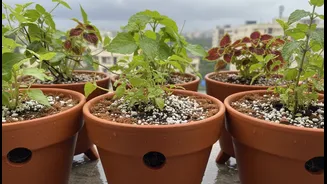
For floor-level plants, or for particularly determined pets, creating gentle barriers can be an effective strategy. You can place larger, heavier pots in front of more delicate ones to block access. For pets that like to dig in the soil, covering the top of the pot with river rocks or landscape netting can be a simple fix. These materials still allow water to get through but prevent paws from digging. In some cases, a small, decorative fence around a planting area can be enough of a visual deterrent. For cats, enclosed 'catios' can be a fantastic way to give them safe outdoor time without giving them free rein over the entire balcony. Privacy screens made of bamboo or outdoor fabric can also reduce your pet's anxiety from outside movement, making them less likely to patrol and disturb plant arrangements.
Use Natural Scent Deterrents
Pets, particularly dogs and cats, have highly sensitive noses, which you can use to your advantage. Many animals are naturally repelled by certain smells. Citrus is a common deterrent; scattering orange or lemon peels around the base of your plants can discourage sniffing and nibbling. Coffee grounds can also work as a deterrent for both cats and dogs. Some pet owners find success with commercial bitter apple sprays, which are harmless to plants but have a taste that most pets dislike. These scent-based methods can be a great secondary line of defense, teaching your pet over time that the plant zone is not for them.