




Why Choose a Winter Trek?
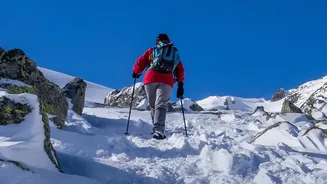
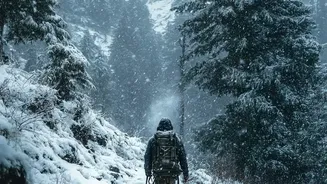
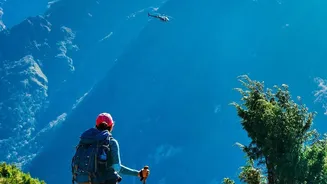
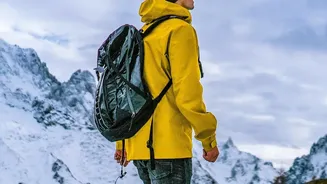
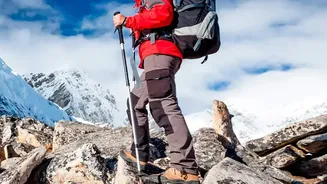
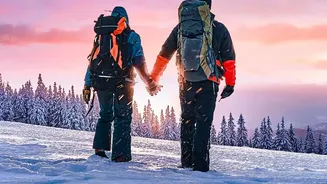
Winter trekking offers a unique Himalayan experience. The summer crowds are gone, forests fall silent under a layer of snow, and familiar peaks look sharper against clear blue skies. Treks that are popular in other seasons, like those in Uttarakhand,
take on a completely different feel. It's a chance to see frozen alpine lakes, walk through snow-laden pine forests, and experience the profound stillness of the mountains. While conditions are colder and daylight hours are shorter, the rewards are immense, offering solitude and stunning white landscapes that are inaccessible during warmer months.
The Classic Choice: Kedarkantha
Widely known as the 'Queen of Winter Treks', Kedarkantha is arguably the most popular choice for a first snow trek in India. Located in Uttarakhand's Govind Wildlife Sanctuary, this trek offers a perfect blend of beautiful campsites, dense pine forests, and the thrill of reaching a proper summit at 12,500 feet. The route is considered easy-to-moderate, making it suitable for beginners with a good fitness level. A typical itinerary spans 5-6 days from Dehradun, with manageable daily walking distances. The summit day involves an early start to catch the sunrise, which reveals a 360-degree panorama of famous Garhwal peaks like Swargarohini and Bandarpoonch.
For Lake Lovers: Brahmatal
If your dream winter landscape includes a frozen high-altitude lake, the Brahmatal trek is an excellent option. Situated in Uttarakhand's Chamoli district, this trek leads you through ancient oak and rhododendron forests to two stunning lakes, Bekaltal and Brahmatal. The trail is graded easy-to-moderate and is known for its gradual ascents, making it slightly less strenuous than Kedarkantha for some. The highlight is camping near the frozen Brahmatal lake and the breathtaking views of giants like Mt. Trishul and Nanda Ghunti from the 12,250-foot summit ridge. It's a complete winter experience that combines forests, lakes, and expansive snowfields.
Other Notable Winter Treks
Beyond the two most popular routes, several other treks offer fantastic winter experiences. The Dayara Bugyal trek is famous for its vast, rolling snow meadows, making it another great option for beginners. The Chopta-Chandrashila trek is a shorter alternative, perfect for a long weekend, and provides some of the most spectacular panoramic views of major Himalayan peaks. For those seeking a quieter trail away from the crowds, Aancha Top presents a beautiful alternative to Kedarkantha with similar rewards of forests, clearings, and a satisfying summit climb.
Understanding Guided Treks
For winter conditions, trekking with a professional operator is highly recommended. A standard guided package typically includes a certified trek leader and support staff, all meals during the trek, camping equipment like tents and sleeping bags, and necessary permits. The company handles the logistics, from transport to and from the base village to managing campsite selection and safety protocols. When choosing an operator, inquire about their safety record, the qualifications of their guides, their guide-to-client ratio, and what emergency equipment (like oxygen cylinders) they carry. A good operator not only ensures your safety but also enhances the overall experience.
The Principles of Responsible Travel
The growing popularity of trekking puts pressure on fragile mountain ecosystems. Responsible travel is crucial to preserve them. The core principle is 'Leave No Trace', which means packing out everything you pack in, including all wrappers and food waste. Stick to marked trails to prevent erosion and avoid damaging delicate vegetation. Minimize your impact by using reusable water bottles instead of buying single-use plastic ones. Respect local culture by being considerate of communities you pass through, and support the local economy by hiring local guides and staff. Choosing a trek operator with a clear and active responsible tourism policy is one of the best steps you can take.