







A Modern Gateway to the Sun City
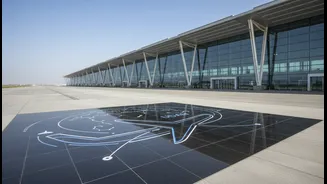
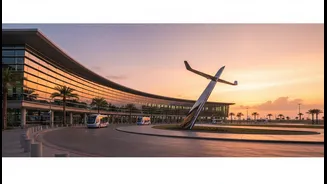
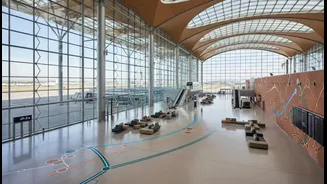
On July 4, 2026, Jodhpur inaugurated a state-of-the-art new terminal building. Developed at a cost of ₹480 crore, this terminal is a significant leap forward for the city's infrastructure. Spanning over 23,000 square metres, it is designed to handle up
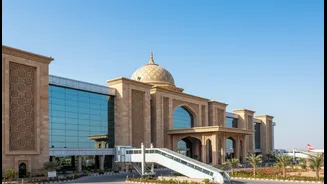
to 2 million passengers annually and 1,500 during peak hours. This is a huge increase in capacity for one of Rajasthan's primary tourism gateways. For travellers, this means a much smoother experience with 20 check-in counters, six aerobridges, and advanced baggage handling systems. The design itself is a nod to local heritage, blending traditional Rajputana architectural elements like arches and jharokhas with modern amenities and sustainable features.
Understanding the Modified UDAN Scheme
The terminal launch coincided with the rollout of the Modified UDAN (Ude Desh ka Aam Nagrik) scheme, now dubbed 'Viksit UDAN'. Originally launched in 2016 to make air travel affordable and connect smaller towns, the scheme has been revamped with a massive outlay of nearly ₹29,000 crore over the next ten years. The goal remains the same: strengthen last-mile air connectivity in Tier-2 and Tier-3 cities. The modified scheme aims to develop 100 airports from existing unserved airstrips and build 200 modern helipads, particularly in remote and hilly areas, to boost tourism, trade, and emergency services.
How the New Scheme Works
The core of UDAN is Viability Gap Funding (VGF), a subsidy given to airlines to make flying on less profitable regional routes financially feasible. The modified scheme continues this, allocating over ₹10,000 crore for VGF over the next decade. It also provides crucial Operation and Maintenance (O&M) support for three years to new regional airports to help them become self-sustaining. For travellers, this means the government will continue to cap fares on a percentage of seats to ensure affordability. For airlines, the extended support aims to make regional routes more attractive and stable business propositions.
Potential Risks and Challenges
While the ambition is high, the UDAN scheme has faced significant hurdles. A major challenge is ensuring the long-term sustainability of routes once the VGF support ends. Historically, many UDAN routes have been discontinued after the initial subsidy period due to low passenger demand and high operating costs for smaller aircraft. Some reports from previous years noted that many airports developed under the scheme remained underutilised or even non-operational. Another risk is ensuring that infrastructure keeps pace. Without sufficient slots at major metro airports, regional airlines struggle to create effective hub-and-spoke networks, which are crucial for consistent traffic.
The Next Steps for Jodhpur and Beyond
For Jodhpur, the new terminal is now fully operational. Its larger capacity positions the city to attract more flights and handle the peak tourist season without the congestion of the past. For travellers planning a trip to Rajasthan, this means a more comfortable and efficient airport experience. Nationally, the 'Viksit UDAN' phase will now roll out, with the government and the Airports Authority of India (AAI) identifying and developing the 100 new airports and 200 helipads. The focus will be on a challenge mode to ensure timely project completion. This next phase also promotes the use of indigenously made aircraft, like HAL's Dornier and Dhruv, to serve remote regions.