


Understanding the Late Monsoon Weather
Late August in Wayanad marks the latter half of the southwest monsoon. While the headline speaks of the monsoon 'retreating', this period is characterised by significant rainfall, often with heavy downpours in the afternoons and cooler temperatures ranging
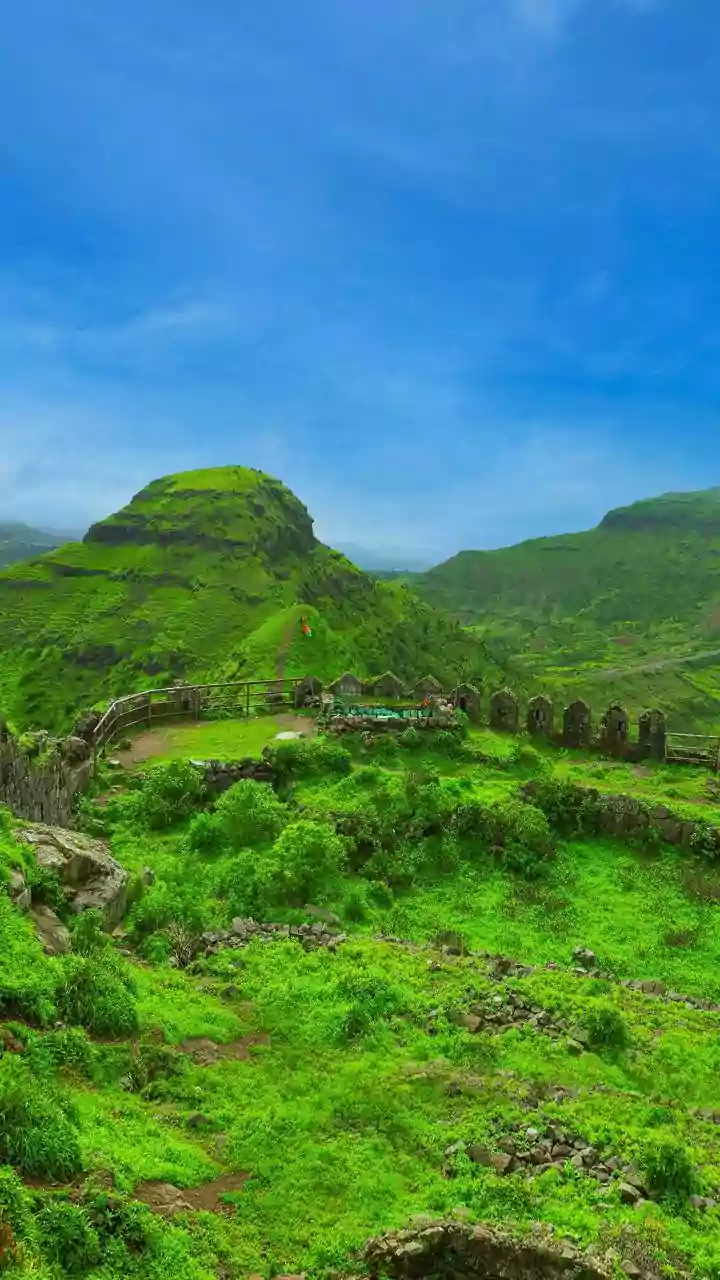
from 18 to 28 degrees Celsius. The landscape is at its most saturated and lush, with waterfalls like Soochipara and Meenmutty at their peak flow. However, this beauty comes with challenges. Earlier in August 2026, heavy rain led to Red Alerts and travel restrictions on key ghat roads. While these restrictions were lifted around August 10th as the alerts downgraded, it highlights how quickly conditions can change. Travellers should expect overcast skies and frequent mist, with the clearest weather typically in the mornings. It's a time for quiet appreciation of nature rather than a packed sightseeing itinerary.
Prioritising Safety Above All
Travelling to a hill station during the monsoon demands caution. The primary risks are slippery ghat roads and the potential for landslides in vulnerable areas. Authorities advise extra care, especially as continuous rain can saturate the soil. Always check the latest weather advisories from the India Meteorological Department (IMD) before you travel and before any daily outings. Avoid driving on ghat roads after dark and be wary of waterlogged areas. It's wise to hire a local driver who is experienced with the terrain in these conditions. Inform your homestay of your daily plans, keep your phone charged, and carry a power bank. Finally, ensure you have travel insurance that covers weather-related disruptions.
Choosing Your Rainforest Sanctuary
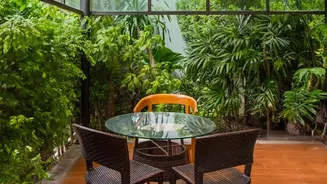
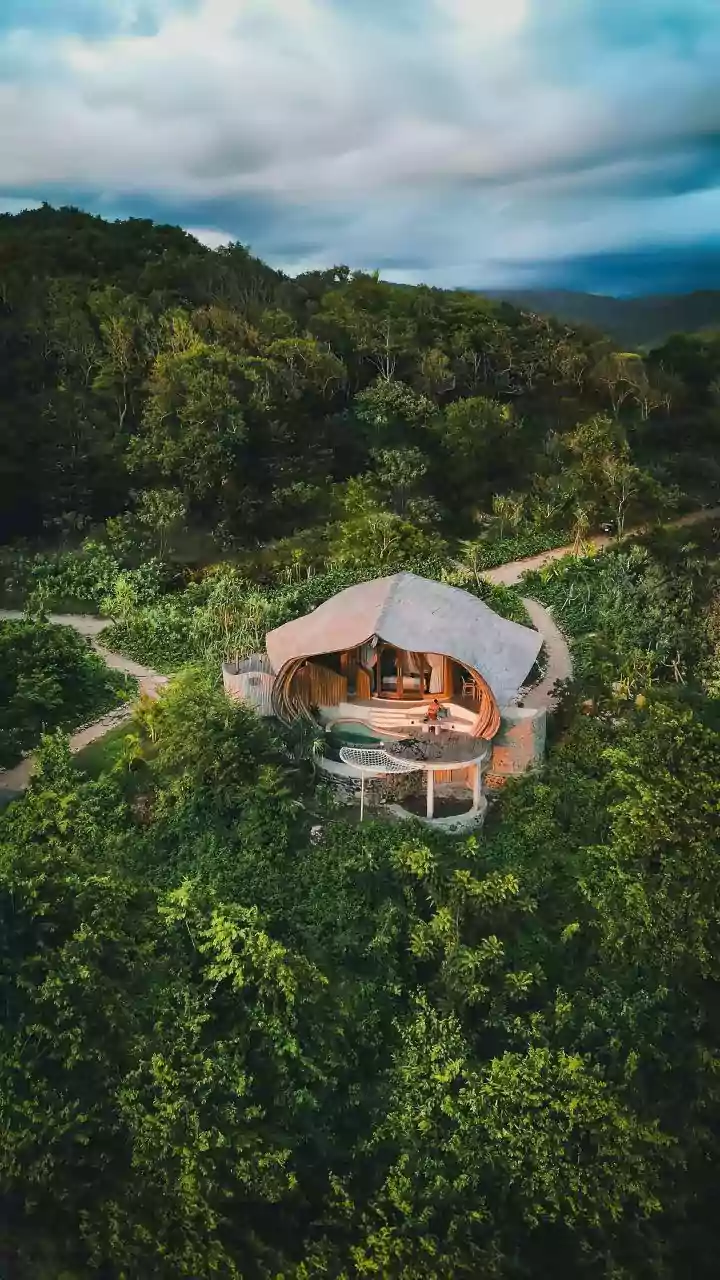
A rainforest homestay offers an immersive experience, placing you right in the heart of the monsoon's drama. When booking, look for properties with a proven track record of operating safely during the rains. Check for good road access that isn't prone to being cut off. Established properties are more likely to have reliable infrastructure like backup power. Reading recent reviews can provide insight into how a homestay copes with heavy rain. The best stays offer more than just a room; they provide an experience. Look for places with covered verandahs, on-site activities, and common areas where you can relax with a book and a hot drink while watching the downpour. Many are situated within coffee or spice plantations, allowing for serene, guided walks when the rain subsides.
Packing for a Wet Wonderland
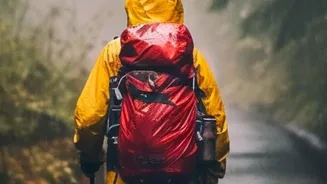
Packing correctly is key to a comfortable monsoon trip. The goal is to stay dry and comfortable without overpacking. Your non-negotiable items should include a reliable waterproof jacket and an umbrella. Choose footwear with excellent grip, such as waterproof trekking shoes or anti-slip sandals; avoid flip-flops. Quick-dry clothing made from cotton or linen is ideal, as humidity is high and things take longer to dry. Pack layers, including a light jacket or sweatshirt for the cool evenings. Also essential are waterproof bags or pouches to protect your electronics, insect repellent, and a basic first-aid kit. Given the possibility of leeches on treks through wet vegetation, carrying salt or an anti-leech solution is a practical precaution.
Monsoon-Friendly Activities
Heavy rain may limit some activities, but it enhances others. This is the best time to see Wayanad's waterfalls in their full, thunderous glory, but always from a safe distance as currents are strong and trails are slippery. Many tourism spots that were closed during early August's red alerts have since reopened. Short, guided treks can be exhilarating, provided you are properly equipped and heed local advice. Otherwise, the real joy of a monsoon trip is often found in slowing down. Enjoy the views from your homestay's porch, indulge in freshly prepared local Kerala cuisine, visit a tea estate where the mist hangs low over the glistening leaves, or simply listen to the symphony of the rain in the forest. For 2026, the major festival of Onam falls in late August, offering a chance to witness unique cultural celebrations like the creation of intricate 'pookalam' flower carpets.