


An Undisputed King of Snacks
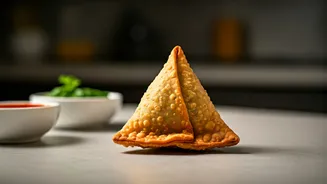
Imagine a rainy afternoon, a hot cup of chai, and a plate of freshly fried samosas with tangy chutney. It’s a scene woven into the fabric of Indian life. From street-side stalls to high-end restaurants and festive family gatherings, the samosa holds a special
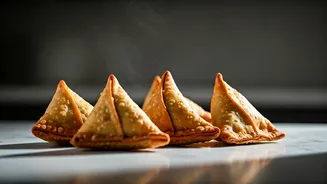
place in our hearts and on our plates. Its crispy pastry shell giving way to a warm, spiced potato filling is a taste of pure comfort. For decades, this deep-fried delicacy has reigned supreme, its universal appeal crossing regional and cultural divides. It's the go-to snack for celebrations, casual catch-ups, and those moments when only something savoury and satisfying will do.
The Modern Health Dilemma
While our love for samosas is timeless, our approach to food is not. In recent years, a wave of health and wellness has swept across India. We're more aware than ever of what we eat, focusing on mindful consumption, whole foods, and cutting down on unhealthy fats and refined carbohydrates. In this new landscape, the traditional samosa, with its deep-fried nature and maida (refined flour) casing, began to look less like a harmless treat and more like a guilty pleasure. The conflict was clear: how do you reconcile a deep-seated cultural craving with a modern desire to live and eat healthier? For many, the answer wasn't to abandon the samosa, but to reinvent it.
The No-Fry Revolution
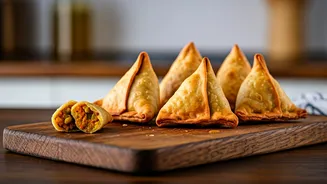
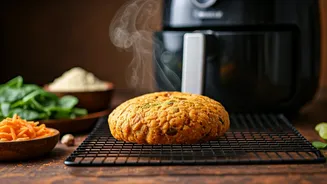
The biggest villain in the samosa's story has always been the pot of boiling oil. The solution came in the form of modern kitchen technology. The rise of air fryers and a renewed appreciation for baking have sparked a no-fry revolution. Home cooks discovered that by lightly brushing the samosas with oil and baking them in an oven or cooking them in an air fryer, they could achieve a surprisingly satisfying crunch without the excessive grease. The result is a lighter, crispier pastry that doesn’t leave you feeling heavy. This shift in technique has been a game-changer, allowing health-conscious foodies to enjoy their favourite snack far more often and without the associated guilt.
A Makeover for the Dough
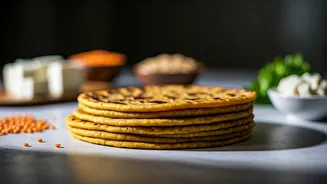
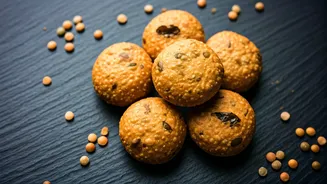
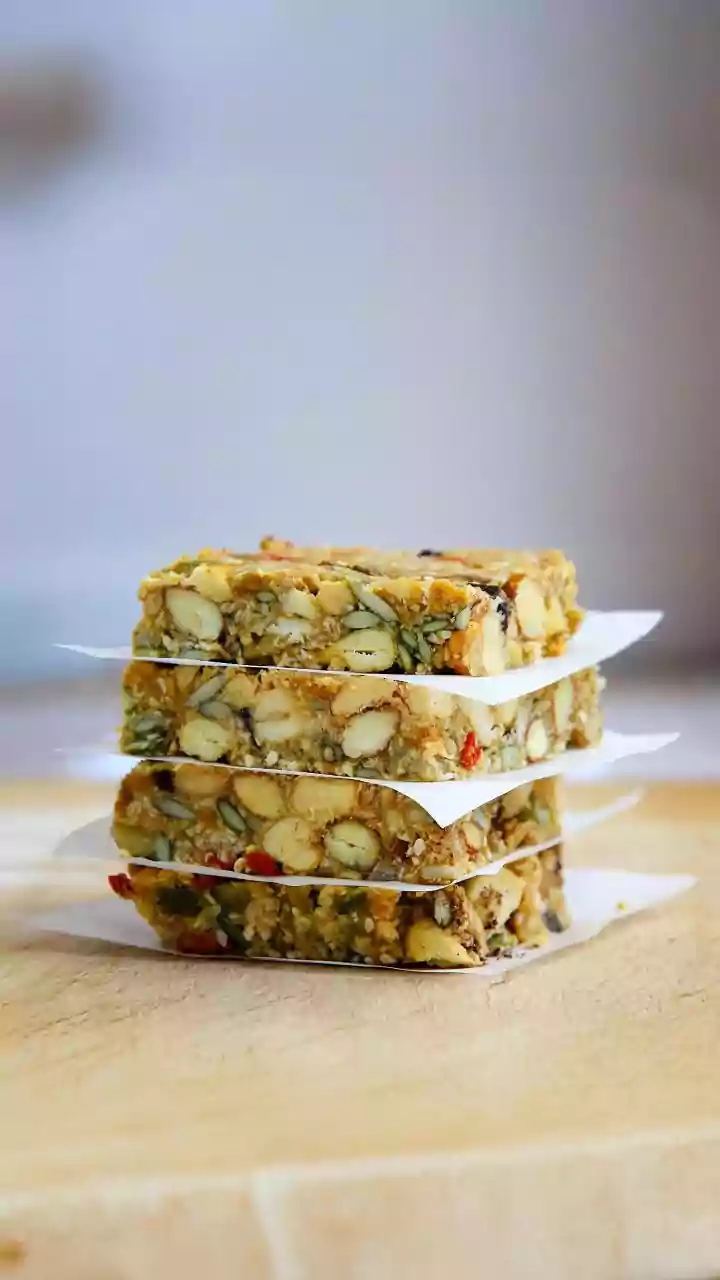
The innovation didn't stop at the cooking method. The traditional maida wrapper, known for its crispness but low nutritional value, is also getting a wholesome upgrade. Kitchens across the country are now experimenting with whole wheat flour (atta) for a fibre-rich alternative. Others are going a step further, incorporating flours made from oats, ragi, or other millets to boost the nutritional profile. These alternative doughs not only add nutrients and fibre but also introduce new textures and subtle, earthy flavours that complement the fillings beautifully. This simple swap transforms the samosa from a simple carb-heavy snack into a more balanced and nourishing one.
Beyond Aloo: A New World of Fillings
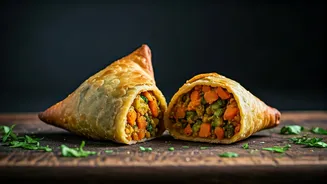
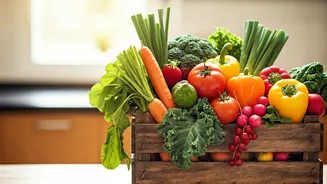
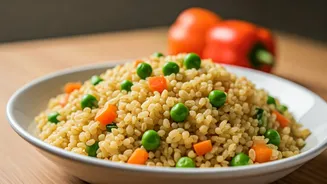
While the classic spiced potato and pea filling is iconic, the healthy samosa movement has thrown the doors wide open for creativity. The humble aloo is making way for a vibrant array of nutritious ingredients. Think fillings made from crumbled paneer and spinach, mixed vegetables like carrots and beans, protein-packed sprouts, or even sweet corn and cheese. Some adventurous cooks are even creating non-traditional fillings with quinoa, mushrooms, or minced chicken. These new combinations are not just healthier; they offer a delightful departure from the norm, turning each samosa into a new culinary experience. It’s a testament to the versatility of the format, proving that the triangle can hold much more than just potatoes.