


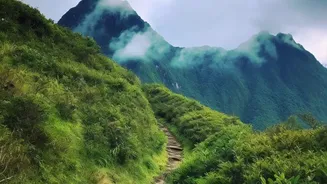
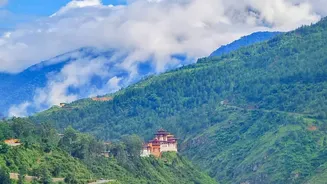
Sikkim's popular sights are famous for a reason, but the true soul of this Himalayan state reveals itself to those willing to venture beyond the beaten path. For travellers seeking solitude and unspoiled nature, here are some of its best-kept secrets.
Zuluk: The Historic Silk Route
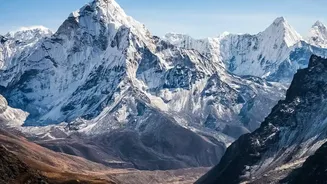
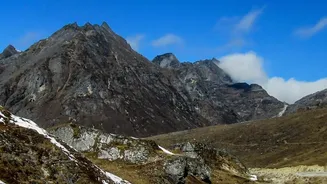
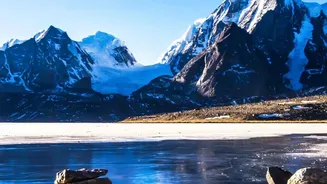
Perched at an altitude of around 10,000 feet in East Sikkim, Zuluk is a small village that was once a transit point on the historic Silk Route to Tibet. Today, it's famous for the incredible 'Zig Zag Road', a series of 32 hairpin bends that offers breathtaking views of the Himalayas, including the majestic Kanchenjunga. The journey to Zuluk is an adventure in itself, taking you through remote landscapes and offering a glimpse into a history shaped by traders and caravans. Accommodation here is primarily in the form of simple, family-run homestays, providing an authentic taste of local life. Due to its proximity to the border, a Protected Area Permit (PAP) is required for Indian nationals, which can be arranged in Gangtok or through local tour operators. The best times to visit are from March to May for pleasant weather or from October to November for clear mountain views.
Dzongu Valley: A Protected Lepcha Paradise
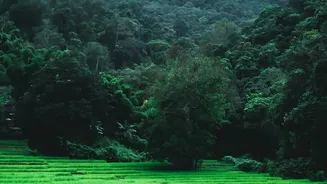
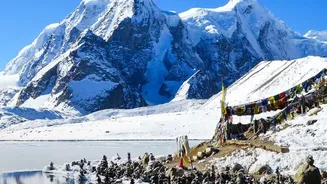
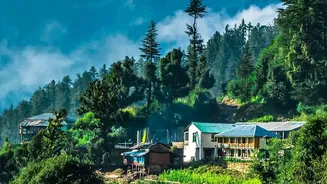
Tucked away in North Sikkim, Dzongu is a protected reserve for the Lepcha community, the original inhabitants of this land. This triangular region, bounded by rivers and mountains, is a sanctuary of biodiversity, with lush forests, cascading waterfalls, and pristine rivers. To maintain its sanctity, entry is restricted, and Indian travellers need a special permit arranged through a local homestay or at the district office in Mangan. There are no hotels here; visitors stay in traditional homestays, offering a unique opportunity for cultural immersion. Key experiences include village walks through places like Tingvong and Lingthem, trekking to the Tholung Monastery, and bathing in the Lingzya waterfall. Dzongu is ideal for those who wish to disconnect completely and experience nature and culture in its purest form. The spring months of March to May offer clear skies and pleasant weather.
Barsey: The Rhododendron Sanctuary
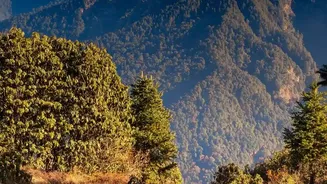
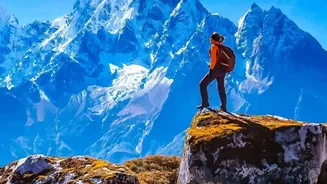
Located in West Sikkim, the Barsey Rhododendron Sanctuary is a floral paradise, especially during the spring bloom. Spanning over 100 square kilometres along the Singalila Range, this sanctuary comes alive with vibrant colours from March to May when different species of rhododendrons are in full flower. The most popular way to experience it is via a gentle 4-kilometre trek from Hilley, which is accessible by road. The trail winds through dense forests of rhododendron, oak, and magnolia trees. Besides the flora, the sanctuary is also home to diverse fauna, including the Himalayan Langur and various species of pheasants. While the bloom season is the main draw, the clear skies and stunning views of the Kanchenjunga range in autumn (September to October) also make for a rewarding visit.
Okhrey: The Quiet Gateway Village
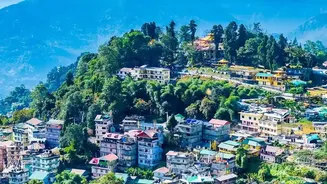
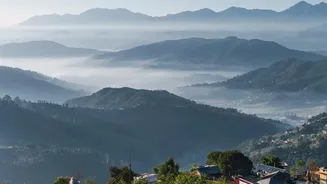
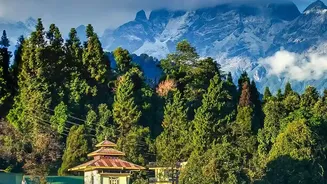
Often used as a base for the trek to Barsey Rhododendron Sanctuary, Okhrey is a destination in its own right. This tranquil village in West Sikkim, populated by Sherpa and Bhutia families, offers profound peace away from the tourist hubs. Sitting at an altitude of about 7,200 feet, it provides a serene atmosphere, views of surrounding hills, and a glimpse into a slow-paced mountain life. From Okhrey, it's a short drive to Hilley, the starting point for the Barsey trek. The village itself has a monastery and is an excellent spot for birdwatching. Staying in one of the local homestays allows you to acclimatize before a trek and enjoy the warm hospitality of the region. Visit between March and May for the rhododendron season or from October to January for crisp, clear views of Mount Kanchenjunga.