








The 'No Pain, No Gain' Hangover
For decades, the path to fitness was paved with high-intensity workouts that left muscles screaming for mercy. Recovery was often seen as a passive affair: a day off, an ice bath, or simply gritting your teeth through delayed-onset muscle soreness (DOMS).
The prevailing wisdom was that muscles needed to be broken down to build back stronger, and recovery was the uncomfortable waiting period in between. This approach often involved static rest, where the body was left to its own devices to heal. While passive recovery certainly has its place, particularly after extreme exertion or injury, an over-reliance on it can sometimes lead to prolonged stiffness and a feeling of fatigue.
Enter the Mobility Movement
A significant shift is underway, driven by a deeper understanding of how the body adapts and repairs itself. Enter mobility training: a practice focused on improving the range of motion and control you have over your joints. Unlike passive stretching, which focuses on lengthening a muscle, mobility is about actively moving a joint through its entire functional range. This can include exercises like hip rotations, controlled shoulder circles, and spinal waves. Experts note that this focus on movement quality is becoming recognized as a vital part of any complete fitness plan, not just an afterthought. The trend is moving away from simply chasing fatigue and toward building a more resilient, functional body.
Why This Changes Your Recovery
Workouts centered on mobility affect the body differently than traditional high-intensity sessions. Instead of just causing micro-tears in muscle tissue, they enhance neuromuscular control—the communication between your brain and your muscles. This approach improves circulation, delivering oxygen and nutrients to tissues to aid healing. Because mobility work is less about brute force and more about controlled movement, the recovery process changes. Instead of needing complete rest to rebuild, the body benefits more from gentle, continued movement. This concept is known as active recovery, where low-intensity activity helps clear metabolic waste from muscles faster than passive rest. It's a move from a 'punish and repair' cycle to one of 'prepare and adapt'.
Your New Recovery Playbook
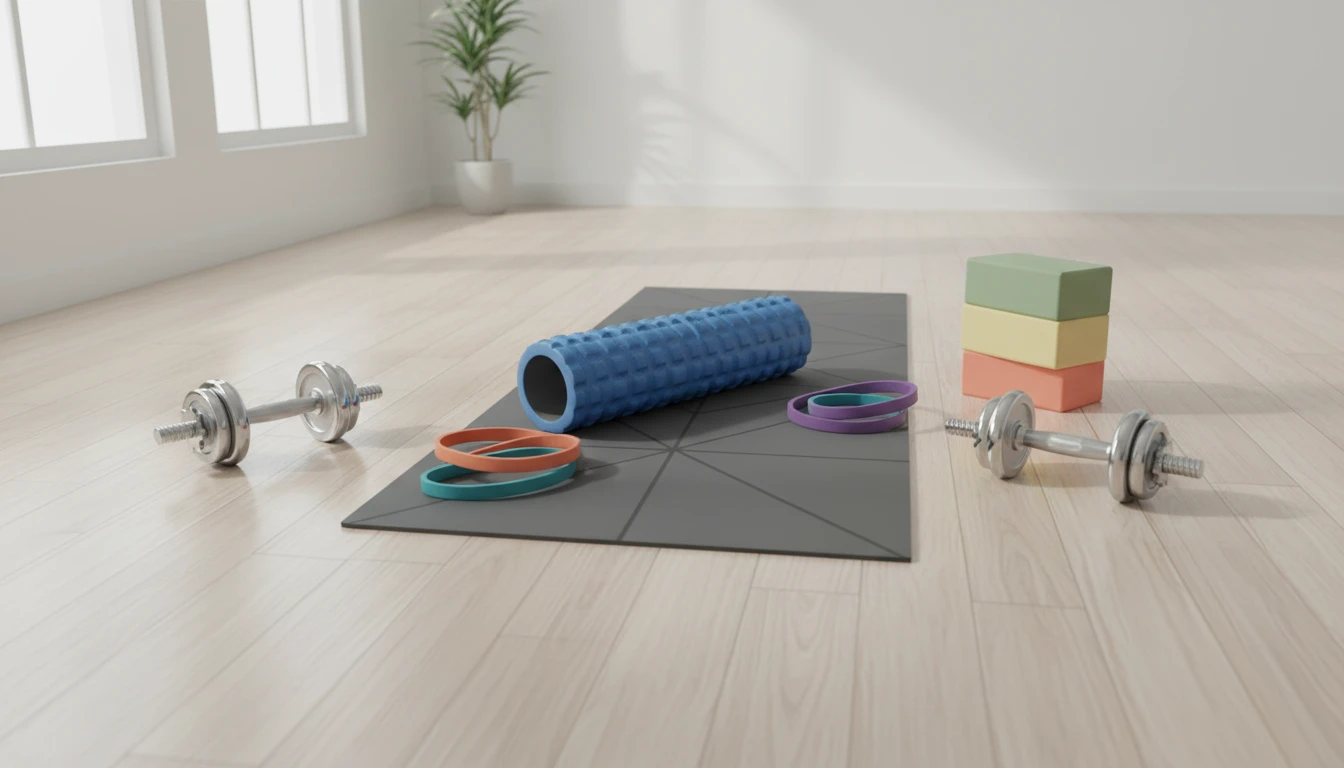
As workouts evolve, so must recovery habits. If you're incorporating more mobility work, your off-days might look different. Rather than completely stopping, consider a session dedicated to active recovery. This involves light, non-strenuous physical activity intended to keep the body nimble and promote blood flow. A 15-20 minute mobility session on a rest day can help reduce stiffness and prepare you for your next hard workout. This might include foam rolling, dynamic stretches, or even a gentle yoga flow or walk. These activities can help reduce muscle soreness more effectively than complete rest by boosting circulation and helping to remove the byproducts of intense exercise. The goal is to leave the session feeling calmer and more coordinated, not more tired.
A Smarter Way to Train
Integrating this new philosophy doesn't require a complete overhaul of your routine. It's about balance. A practical weekly schedule might include three strength sessions, with short, 10-to-20-minute mobility sessions on the 'off' days. For example: a full-body strength workout on Monday could be followed by a 20-minute mobility and breathing session on Tuesday. This approach helps balance the stress of intense training with the readiness needed for consistent progress. By viewing recovery as an active, restorative process, you're not just healing from your last workout—you're preparing your body to perform better in your next one, reducing your risk of injury and improving your longevity in fitness.