

Managing Monsoon Rain and Drainage
The defining feature of August gardening is water. While the rains are a blessing, too much can be disastrous, leading to waterlogged soil and root rot. The single most important factor for success is ensuring excellent drainage. If you are planting in containers,
make sure they have ample drainage holes. You can even elevate your pots on bricks or stands to prevent water from pooling at the base. For garden beds, consider creating raised beds about 15-20 cm above ground level to allow excess water to run off. Amending your soil with coarse sand or coco peat can also significantly improve its structure and prevent compaction from heavy rains. A key rule for the monsoon is to avoid watering on rainy days; check the soil first, and if it's moist, let nature do the work.
Finding the Right Sunlight
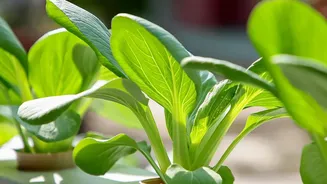
Monsoon skies are often overcast, making sunlight a precious resource. Before you sow, take a day to observe your garden, balcony, or terrace to understand how many hours of direct sun it receives. This will determine what you can successfully grow. Fruiting vegetables like tomatoes, chillies, brinjals, and most gourds are sun-lovers, requiring at least six to eight hours of direct sunlight to produce a good harvest. If your space receives only four to six hours of sun, typically in the morning or afternoon, you're better off planting leafy greens. Vegetables like spinach, amaranthus, and lettuce can thrive in these partial sun conditions. For shadier spots with even less light, herbs like mint are a more suitable choice.
Why Container Depth Matters
For urban gardeners, container size is not just about space—it's about root health. A pot that's too shallow will cramp a plant's root system, stunting its growth and drastically reducing your yield. The depth of the container should match the plant's root structure. Shallow-rooted vegetables like lettuce, spinach, and radishes do well in pots that are 6 to 9 inches deep. For vegetables with more moderate root systems, such as brinjal, beans, and okra, you'll need a container that is at least 10 to 12 inches deep. Deep-rooted vegetables like tomatoes and larger gourds require even more space, thriving in pots that are 18 to 24 inches deep. As a general rule, a larger pot holds more soil and moisture, making it easier to maintain healthy plants.
Top Vegetable Picks for August
With the right conditions, August is a prime time for sowing a variety of vegetables. Okra (Bhindi) is a monsoon champion, thriving in the heat and humidity. The entire gourd family—including bottle gourd (lauki), bitter gourd (karela), and ridge gourd (turai)—grows vigorously during this period, especially when given a trellis to climb. Beans are another excellent choice, with both bush and climbing varieties doing well when sown now. You can also start seeds for brinjal and tomatoes, which will be ready for a late autumn harvest. For quicker results, radishes are a great option, often ready to harvest in just over a month. Many of these are well-suited to the mix of rain and humidity that defines the month.
Best Flowers to Sow Now
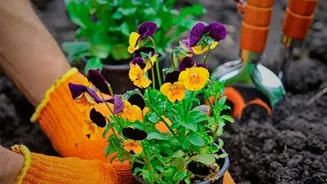
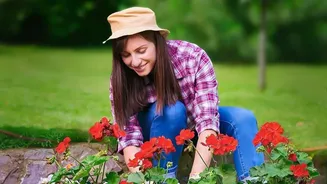
August isn't just for vegetables; it's also an ideal time to sow flower seeds for late-monsoon and festive season blooms. Marigolds are a classic choice, perfectly timed for the upcoming festival season and well-adapted to Indian climates. Hibiscus also thrives in the monsoon moisture and warmth. For vibrant colour, consider zinnias, cosmos, and balsam (Gulmehendi), all of which are easy to grow from seed and perform well in the rainy season's conditions. These flowers not only add beauty to your garden but also attract essential pollinators like bees and butterflies, which can help improve the yield of your vegetable plants.