






What Exactly Is Freezer Burn?
Freezer burn is essentially the dehydration of your food. It happens through a process called sublimation, where ice crystals on the surface of the food turn directly into water vapor, bypassing the liquid stage. This moisture loss leaves behind dried-out,
leathery spots. At the same time, oxygen moves in to fill these empty pockets, causing changes in colour and flavour, a process known as oxidation. While freezer-burned food is safe to eat, it suffers greatly in quality, with meats becoming tough, vegetables turning mushy, and a general 'off' flavour developing. The most common signs are grayish-brown spots on meat, dull-looking vegetables, and a grainy texture in ice cream.
The Problem with Headspace
The headline is spot on: too much headspace—the empty space between the food and the lid of your container—is a major cause of freezer burn. This pocket of air is the enemy of frozen food. The more air trapped in a container, the more opportunity there is for moisture to leave the food and turn into vapor. This water vapor then refreezes onto the food or the inside of the container, creating those tell-tale ice crystals, while the food itself dries out. That trapped air also contains oxygen, which accelerates the oxidation that degrades the fat, colour, and taste of your food. Think of that headspace as a tiny, dry atmosphere actively pulling moisture from your meal.
Choosing the Right Container and Size
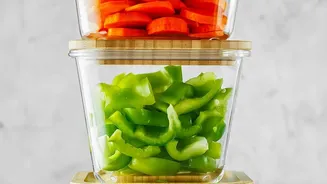
Preventing freezer burn starts with minimizing air exposure, and your choice of container is critical. The goal is to use a container that the food will fill almost completely. Using a large container for a small portion of food is a recipe for freezer burn due to the excessive headspace. Freezer-safe bags are an excellent option because you can manually press out nearly all the air before sealing. For an even better seal, vacuum sealers are highly effective at removing air entirely. If you're using rigid containers, choose glass or plastic ones specifically designed for freezing, as they are built to withstand cold temperatures and have low moisture vapor transmission rates, meaning they prevent moisture from escaping. Avoid reusing containers from products like cottage cheese or yogurt, as they aren't designed to be airtight enough for long-term freezing.
Techniques to Eliminate Trapped Air
Beyond choosing the right size, there are several techniques to reduce headspace. For liquids like soups and stews, leave about an inch of headspace to allow for expansion as the liquid freezes, but then press a piece of plastic wrap or freezer paper directly onto the surface of the liquid before putting the lid on. This creates a barrier that prevents air from touching the food. You can do the same thing with ice cream, pressing plastic wrap onto the surface to stop ice crystals from forming. For solid items in freezer bags, you can use a straw to suck out the remaining air just before you fully zip it closed. Another method is water displacement: place your food in a zip-top bag, seal it almost all the way, and then slowly lower it into a bowl of water. The pressure of the water will force the air out of the bag; once the air is out, seal the bag completely.
Beyond the Container: More Prevention Tips
While minimizing air is the top priority, other factors contribute to freezer burn. Always cool food completely before freezing it. Sealing warm food traps steam, which turns into large ice crystals that damage food texture. Maintain a consistent freezer temperature of 0°F (-18°C) or lower. Temperature fluctuations, often caused by opening the door too frequently, can accelerate freezer burn. A full freezer is more efficient and maintains its temperature better than an empty one, so try to keep it at least 75% full. Finally, practice a 'first in, first out' system. Label and date everything you freeze, and rotate your stock so older items get used first, ensuring nothing gets lost in the back for too long.