




Why We're All Sitting on the Floor
The resurgence of floor seating isn't just about recreating a bohemian vibe from the '70s. It’s a direct response to our increasingly digital, disconnected lives. Designers and wellness advocates alike are championing this style as a way to foster connection,
intimacy, and mindfulness. Gathering on the floor feels more communal and less formal than sitting in rigid armchairs. It encourages lounging, conversation, and a relaxed posture. In a way, it’s a modern reinterpretation of the traditional Indian ‘baithak’ or the Japanese ‘zaisu’ culture, updated for contemporary homes that value comfort and versatility over formality. This trend swaps imposing furniture for a more fluid, adaptable space that can be easily rearranged for a movie night, a board game session, or quiet meditation.
Hemp: The Eco-Chic Foundation
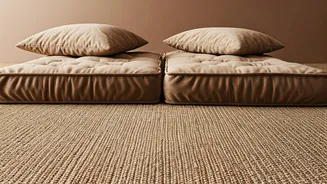
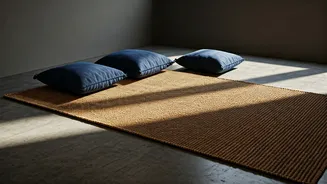
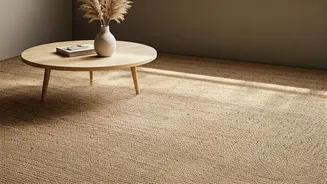
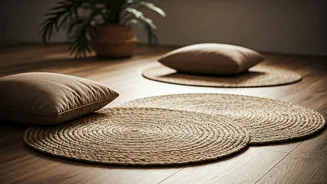
At the heart of this trend is the humble hemp carpet. So, why hemp? For starters, it’s one of the most sustainable materials available. The hemp plant grows quickly, requires very little water, and naturally returns nutrients to the soil. As a textile, it's incredibly durable and hard-wearing, making it perfect for a high-traffic area like a living room floor. Its natural, earthy texture provides a perfect neutral foundation that complements a wide range of decor styles, from minimalist to maximalist. Unlike synthetic carpets, hemp is biodegradable and gets softer with age. Its fibrous, slightly coarse feel adds a tactile, organic element to a room, instantly making it feel warmer and more grounded. It’s the perfect blend of rustic charm and understated elegance.
How to Create Your Own Floor Lounge
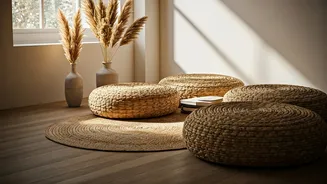
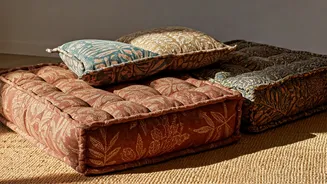
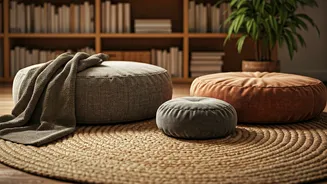
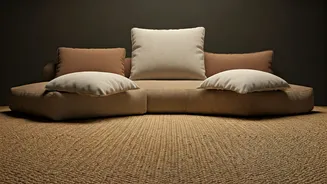
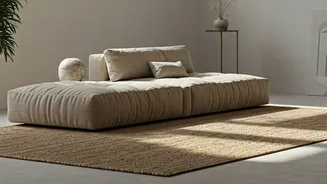
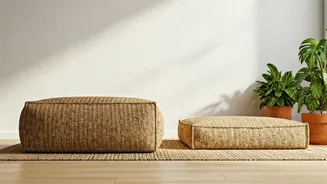
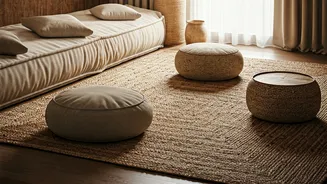
Ready to embrace the look? The key is layering for comfort and visual interest. Start with a large hemp or jute rug as your base. This defines the seating zone. Don't be afraid to go big; a rug that’s too small will make the space feel cramped. Next, add a variety of floor cushions, poufs, and ottomans in different shapes, sizes, and textures. Mix plush velvets with sturdy linens and woven cottons. A few large, firm floor pillows can act as backrests when placed against a wall. Incorporate a low-slung coffee table—think a reclaimed wood piece or a simple marble slab—to hold drinks, books, and decorative objects. This ensures the space remains functional without breaking the low-profile aesthetic.
Accessorise for Maximum Coziness
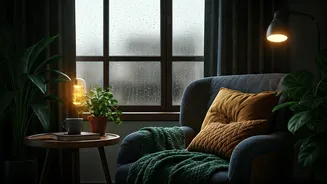
The details are what transform a simple floor arrangement into a truly inviting sanctuary. Soft lighting is crucial. Instead of harsh overhead lights, opt for floor lamps that cast a warm, ambient glow. Table lamps placed on low side tables also work well. Plants are another non-negotiable element. Large potted plants like fiddle-leaf figs or smaller succulents placed on the floor or low stools add life and reinforce the natural, organic feel of the space. Finally, drape soft throws and blankets over your cushions and poufs. These not only add another layer of comfort but also provide an opportunity to introduce colour and pattern into your neutral, earthy palette.
Beyond the Living Room
While the living room is the most common place for a floor seating arrangement, this versatile concept can be adapted for other areas of your home. Consider creating a cozy reading nook in a corner of your bedroom with a small round hemp rug, a stack of cushions, and a dedicated reading lamp. A covered balcony or veranda can be transformed into a breezy outdoor lounge with weather-resistant floor cushions and an outdoor-friendly natural fibre rug. Even a dedicated meditation or yoga space can be beautifully defined with a simple hemp mat and a few supportive bolsters. The goal is to create pockets of comfort and relaxation wherever you need them most, encouraging you to pause and connect with your surroundings.